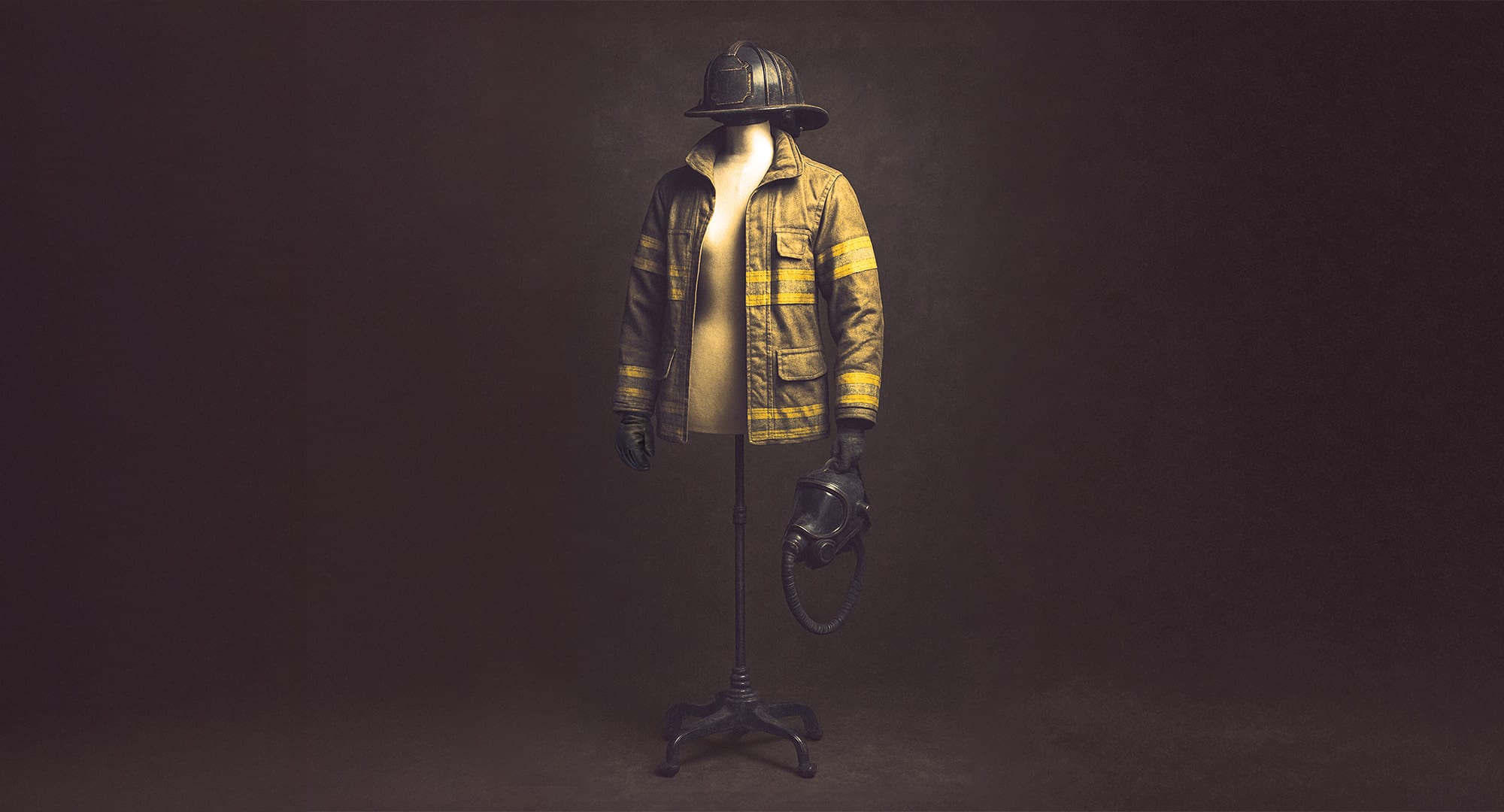

The fire service teaches us many things. We learn how to lead, make split-second decisions, perform under pressure, and show up for others. What the fire service often does not teach us, however, is how to transition from the intensity of the job into our personal lives when the shift or the call is over.
For many women in the fire service, life after the shift is not simply a matter of driving home, taking off the uniform, and leaving the job behind.
The transition can be much more complicated. We often move from serving as firefighters, officers, and chiefs directly into our roles as mothers, wives, partners, daughters, caregivers, and community leaders.
The responsibilities change, but the expectations remain high.
We move from command to caregiver, often within the same hour, and rarely does anyone acknowledge how much that shift demands of us.
The truth is, the transition is not always seamless.
After more than two decades with the Baltimore City Fire Department, I can say with certainty that there are calls, incidents, and experiences that do not stay at the firehouse.
Working in an urban environment means responding to significant trauma on a regular basis. We see tragedy, violence, loss, and human suffering. We witness people experiencing some of the most devastating moments of their lives, and sometimes those moments stay with us long after the apparatus is back in service.
There have been times when I have walked through my front door after a difficult shift and been immediately greeted by my daughters, needing help with homework, wanting to talk about their day, or simply wanting their mother present.
Like many firefighters, I have had to learn that being physically home does not always mean I am mentally or emotionally home.
That realization was difficult. As firefighters, we are trained to compartmentalize. We place emotions in a box because the job requires us to continue functioning. We move from one emergency to the next, often without the opportunity to process what we have just experienced. While that skill may help us perform on the fireground, it can create challenges in our personal lives if we are not intentional about addressing it.
I have learned that the transition home requires purpose.
For me, that transition often begins well before I walk through the door. Sometimes it means taking a few extra minutes in the car to decompress before heading inside. Other times it means listening to music, calling a friend or colleague, exercising, or allowing myself a moment to reflect on the day.
Physical fitness has also become an important part of maintaining my overall well-being. Exercise has provided me with an outlet to manage stress, improve my mental health, and maintain resilience.
Learning that self-care is not selfish has been important.
As leaders, we often prioritize everyone else’s needs before our own, but we cannot serve others if we are operating from a place of exhaustion.
Motherhood has perhaps taught me the greatest lesson about balance. As a mother, I wanted to protect my children from the difficult realities of my profession while still being honest about the demands of the work. There were times when I missed important family events because duty called. There were holidays spent at work and family dinners interrupted by emergency responses. Those moments can create feelings of guilt that many women in the fire service know all too well.
Despite the demands of the profession, I worked hard to create family traditions that allowed us to reconnect. Whether it was a special dinner after returning from shift, attending my daughters’ activities whenever possible, or simply making time for our nightly conversations, those moments became important rituals for our family.
Even when the schedule is unpredictable, these routines helped remind my children and myself that while the fire service is a significant part of who I am, my role as a mother remains equally important.
What I have learned is that balance does not mean perfection.
There is no perfect formula for balancing family, leadership, and service. Some days work demands more. Other days family requires our full attention. The goal is not to achieve perfect balance every day, but rather to remain intentional about being present wherever we are.
When I am home, I strive to be fully present for my family. When I am at work, I strive to serve my department and the residents of Baltimore to the best of my ability. I have also learned the importance of asking for help, leaning on my support system, and giving myself grace.
Mental health conversations within the fire service have improved significantly over the years, but we still have work to do. We must continue normalizing discussions surrounding stress, trauma, counseling, peer support, and emotional well-being. Seeking support should never be viewed as a weakness.
In fact, recognizing when you need assistance is one of the strongest leadership decisions a person can make.
Organizational culture also plays a significant role in how members transition from work to home. Departments that prioritize wellness, peer support, mentorship, and psychological safety create environments where firefighters are more likely to thrive both personally and professionally.
As leaders, we must model these behaviors ourselves. Our members need to see it is acceptable to talk about stress, use available resources, take leave when needed, and prioritize their families and personal well-being.
The fire service is more than a career or a part-time, volunteer job; it is a calling.
But it cannot be our entire identity.
At the end of every shift, we return home not only to our families but also to ourselves. Learning how to make that transition in a healthy way is essential to sustaining a long and fulfilling career.
Life after the shift or the call is not always easy, but it is important. Our families deserve the best version of us, and so do we.