
A captain is asked to put together the department’s holiday family dinner. It’s a good idea, and worth doing. It also lands on an already full plate. Which date works across schedules and members’ day jobs? Who handles the food? How will families hear about it? Who has time to make it all happen? What started as a chance to bring people together has become one more assignment.
I’ve seen this happen, too. A military unit I supported kept moving the date of a family event as training schedules changed, trying to find a day that would work for as many people as possible. In a busy unit, no date suited everyone, so no one wanted to pick one. By the time a date was set, only a couple of weeks remained. Families had already made other plans, and the event was canceled. Trying to make room for everyone left room for almost no one.
Good intentions weren’t the problem, and neither was effort. What was missing was deliberate design: decisions made in time, clear owners, and a way for families to plan around it. That’s what turns a good idea into something that works, whether it’s a family dinner or any other initiative a department cares about.
Make It a Priority
Family gatherings matter. Spouses get to talk with other spouses who truly understand. Kids who have seen where a parent works often have an easier time making sense of it when that parent gets called away.
But in many departments, especially smaller ones, planning lands on whoever is available, on top of everything else. Some share the load with an auxiliary or a family group. Either way, it goes better when it’s treated as real work, with an owner the organization backs up.
Under a different commander, the unit changed a few routines. Family event planning became a standing part of regular updates. The commander set a target of at least one event each month, and not every one had to be big. Specific people were accountable for planning and carrying out each event. Decisions came faster, so save-the-dates went out well in advance. Those changes made family support part of how the unit ran.
Researchers studying family initiatives in Canadian public safety organizations, including fire departments, found leadership, resources, and an organization ready to take them on were key to getting these efforts off the ground.
Ask the People It’s For
Planning well also meant understanding who we were planning for. We worked with families on a needs assessment, and the answers weren’t one-size-fits-all. Several families were caring for an elderly parent. Child care decided whether many could take part at all. Couples without children wanted adult-only options. And we had to rethink who counts as “family” to fit the families we actually had. I pulled the findings together for leadership, and we used them to inform what came next.
We couldn’t solve elder care or make every schedule work. But we could use what people told us to shape what we offered.
Asking also showed us that some families would rather keep work and home separate. That’s a legitimate answer, too. The goal isn’t to pull everyone in. It’s to make the door easy to walk through for those who want to.
Make It Possible to Show Up
What we learned changed what we built. Gatherings happened in different towns, on different days, and at different times. Some were for spouses, some for couples, and some for whole families. Communication changed, too: instead of depending on the service member to pass along a flyer, information went directly to spouses who wanted it.
Something else happened alongside those efforts: spouses started arranging informal coffee gatherings of their own. We had created opportunities to connect, but we didn’t have to organize every connection. That’s the difference between creating something for people and creating the conditions for people to build on it themselves.
Most fire departments don’t have the formal family programs a military unit can draw on, and the point isn’t to copy them. What carries over is the design thinking: understand the people you’re trying to reach, then build around their real lives, from the time of day to how much notice they get to whether kids are welcome.
Keep Listening
After events led by our support providers, we asked families what worked and what didn’t, and we kept adjusting. Not every suggestion could be adopted. A department can’t control a call that runs long or how many people are on shift, and families will want different things.
What leaders can control is more modest and more meaningful: say what you’re trying to do, invite input without pressuring anyone, share what you heard, and show what you did with it. When a request isn’t possible, explain why. That’s what tells people their input counted.
And an event is only one piece. Families also feel the department in everyday moments, like whether they know who to call with a question, or the response when a family need comes up. Getting families to an event isn’t the same as supporting them the rest of the year.
Back to that holiday dinner. It shouldn’t rest on one person. A chief can make family support a priority with a regular rhythm, make decisions on time, and give whoever plans it the time and help to do it well. A captain can ask families what works, make sure information reaches them and not just members, and tell them what changed because they spoke up.
The same thinking applies to a mentoring program or the way a department develops its next officers. Make it a priority. Ask the people it’s for. Make it possible to show up. Keep listening. A good idea is the beginning. Deliberate design is what gives it a chance to matter.
Wishing you and yours a safe holiday season, and time with the people who keep you going, wherever the schedule puts you.
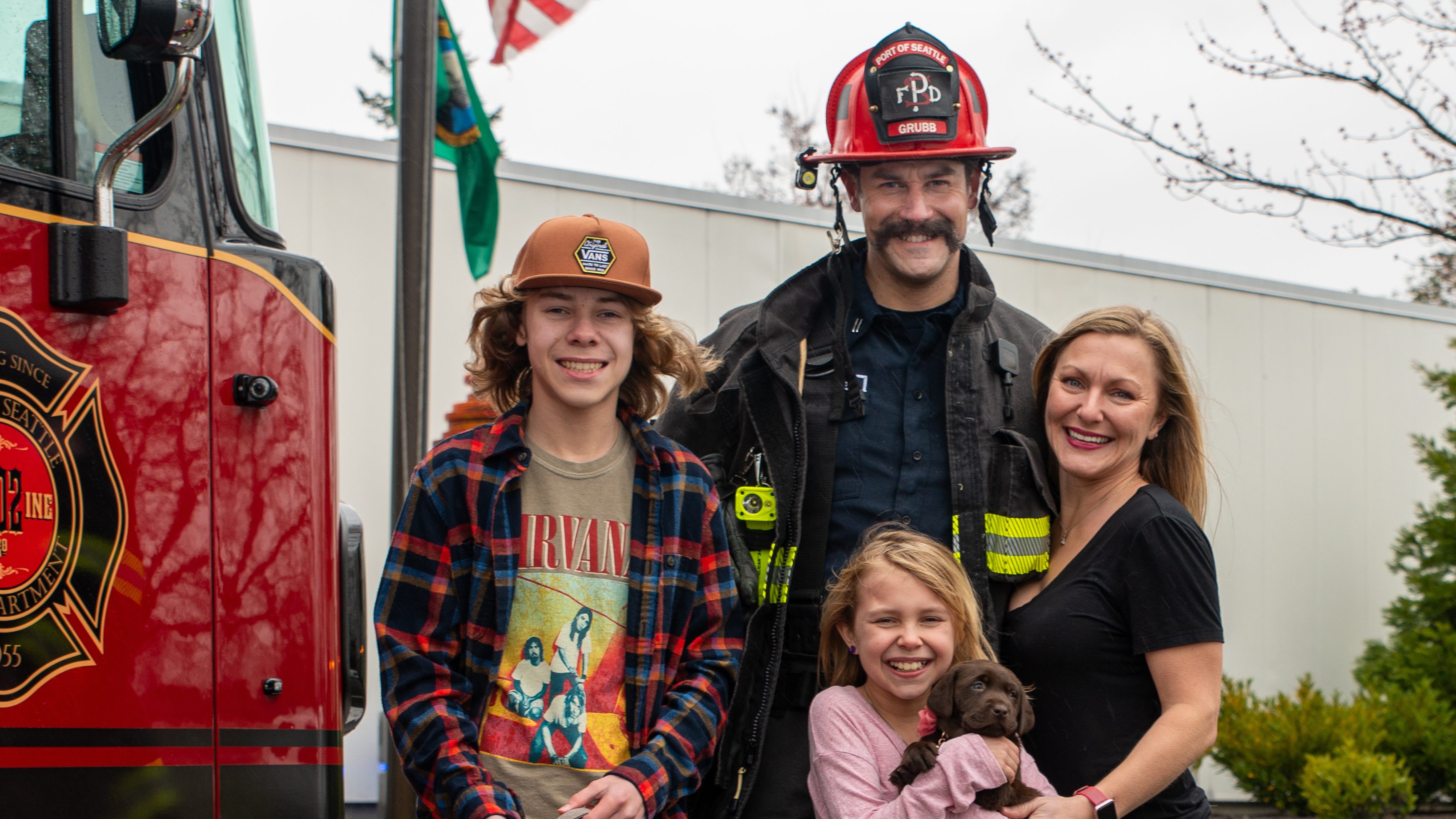
Photo by Steve Baer | FireDog Photos
Purpose Built looks at the human side of high-consequence work: how leaders are prepared, how crews build capability, and how the conditions around them shape performance long before the moment of consequence. Through Veraforma Advisory, Dr. Silvia DeGirolamo draws on human-performance science and years of embedded work in demanding, high-stakes environments to turn research and practice into questions, ideas, and actions firefighters can use from where they sit. Leaders, crews, and culture, built on purpose.