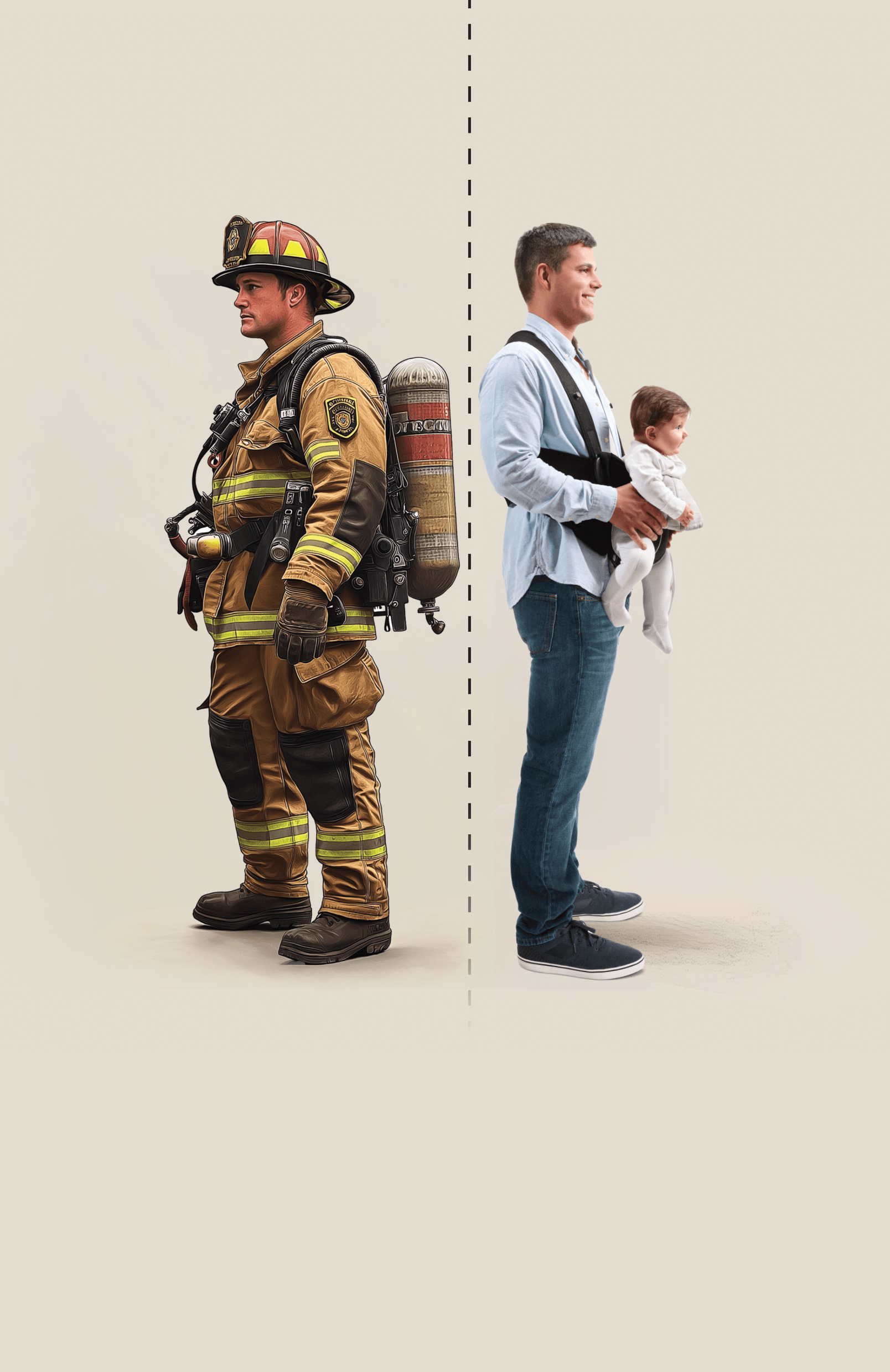

I find I’m the most honest with myself on the drive home after a shift. Something happens in that transition from the job to home. I’ve started to notice benchmarks along the way, small milestones on my half-hour drive that let me start to decompress before I even pull into the driveway. One thing I like to do is take a different route home than I normally would, just to mix things up. The roads are quiet on a Saturday morning, and the change of scenery changes my mindset. My brain was predicting what that drive was going to look like, and all of a sudden it’s different. Tricking the brain into accepting something it wasn’t anticipating is one of my favorite things to do.
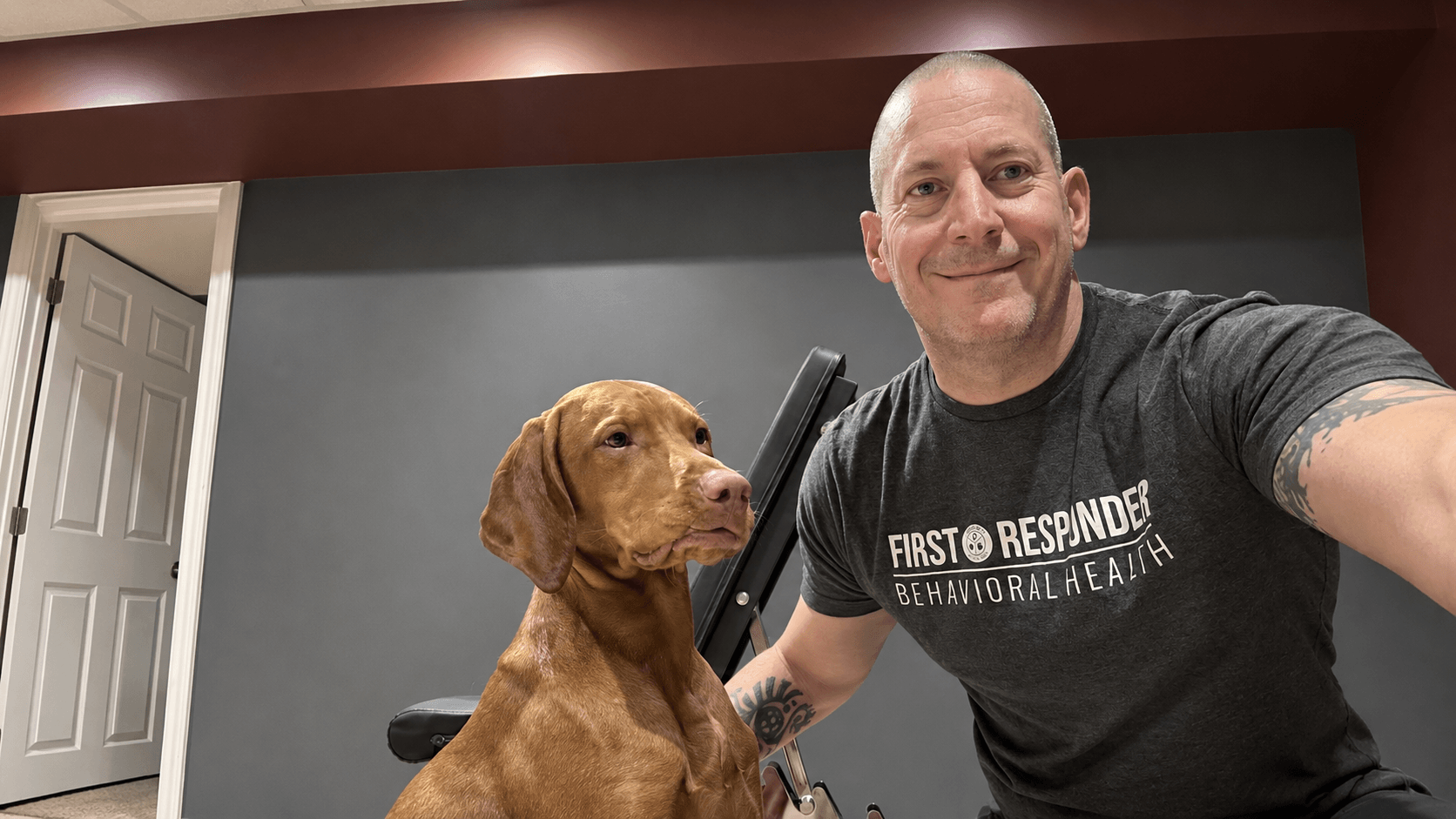
Then I get home. Sometimes I get to see the house wake up. If it’s a weekday, everyone is usually already up and going about their business. Seeing everyone ready for the day gets me ready for mine. It’s the little things, too. My dog is waiting for me, and I can see the joy in his demeanor as I walk through the door. On the days I come home wound up, I try to remind myself that there are little people and creatures in the house who are excited to see me. Some days the little people are the creatures, although these days they’re more like young adult creatures. Instead of being unapproachable, I try to find it within myself to meet them where they are and give them the version of me they were looking forward to seeing. That way, I don’t have to start my day off with regret, wishing I’d handled things better or differently. I start it by overcoming a challenge.
Instead of letting them take on whatever energy you’re bringing home from the shift, good or bad, take on theirs. I prefer to be a chameleon, absorbing the good nature they’re offering me and paying attention to it. There’s a saying that you can’t see the forest for the trees. Walking past the people who are happy we’re home is a problem, and it’s an easy one to miss. As firefighters, we know we need time to transition, regulate our nervous systems and get our minds and bodies out of fight mode. Recognizing that we’re somewhere safe allows our nervous systems to begin to settle. If you need a minute, take a minute. We owe the people in our house the courtesy of telling them we need a minute instead of assuming they already know. Otherwise, we’re trying to decompress, someone interrupts, and they end up on the wrong end of a moment they didn’t know they walked into.
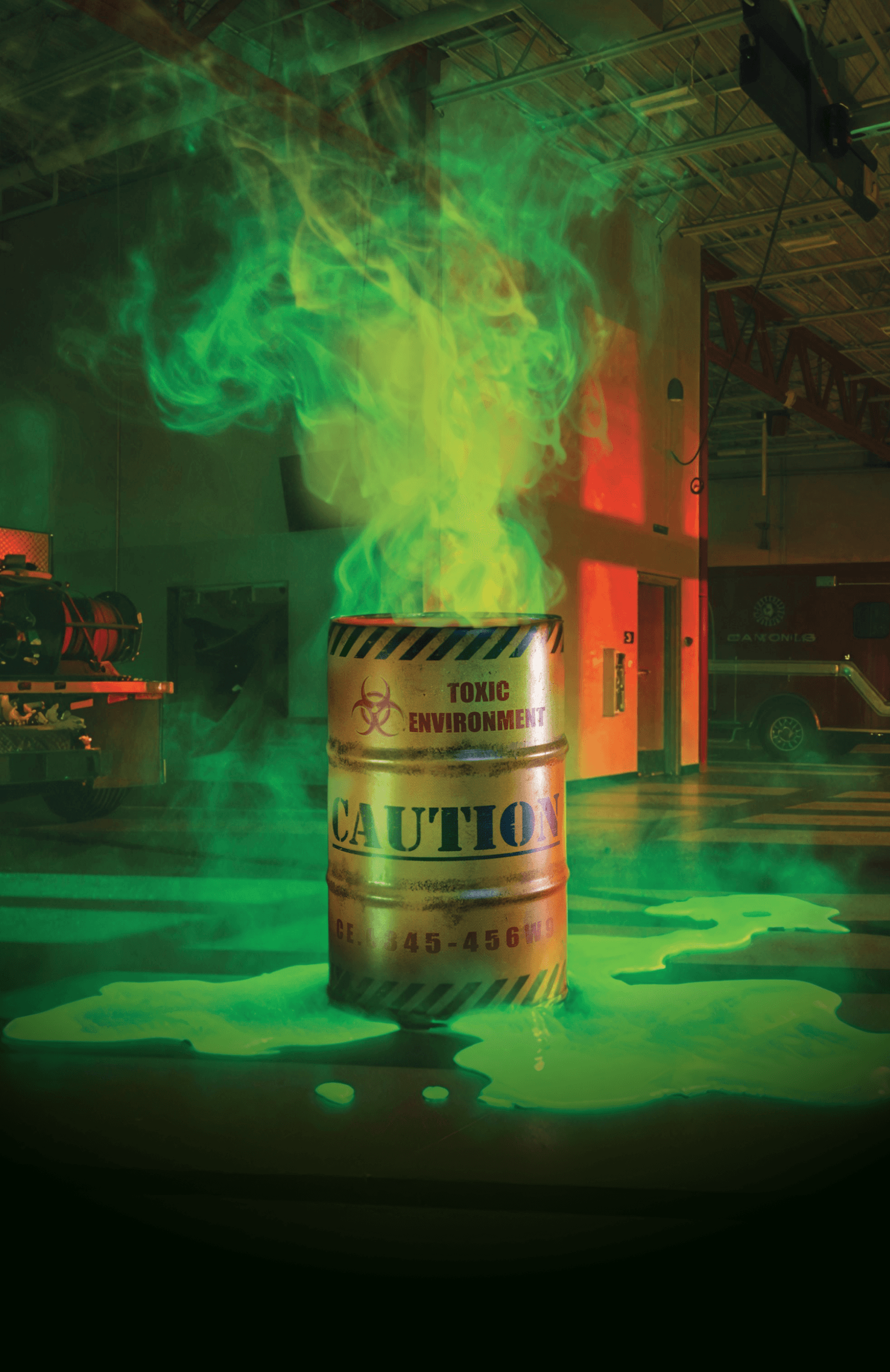
The Stress We Bring Home
The people waiting for us at the door are the ones who can actually help us find our balance and see the good in us. I think of those moments like the M&Ms in your trail mix. They’re the good stuff, the part you go looking for. Sometimes we’re so consumed by everything else that we forget to look for them.
There’s some interesting science behind this, too. In 2019, researchers at Linköping University in Sweden measured the stress hormone cortisol in the hair of dogs and their owners and found their long-term stress levels were synchronized. The researchers suggested that dogs may be mirroring the stress of their owners. Kids pick up on our stress, too. Research led by Sara Waters at Washington State University found that even when parents tried to hide their stress, it could still affect their children physiologically.
In Canada, a 2022 review funded by the Canadian Institutes of Health Research highlighted how little research specifically addresses the experiences of public safety personnel’s families. We’ve spent a lot of time studying what the job does to us. Perhaps we need to spend more time understanding what we bring home with us.
The Wins Nobody Sees
I’ve learned to give myself credit when I pull this off, because I know it isn’t easy. The absence of a problem doesn’t mean there wasn’t an effort made to prevent one. Having your dog want to be around you because you’re giving off good energy is such a little big thing. So is reading the cues around you to see whether you’re good company right now. Having your kids want to be around you when you get home might be the best compliment you could get. It means you’re a person in their life they want to be around. I can’t think of anything more worth striving for.
Take out the word child and put in grandchild. Maybe you’re retired, or about to be, and you’ve given the fire service the most you could over your years of service. A little person who wants to be around grandpa or grandma, who finds your energy something they want in their life, is paying you that same compliment. In my opinion, it’s one of the most telling indicators of how you’re actually doing.
We tend to measure our victories by what we’ve overcome, but how often do we give ourselves credit for what we’ve prevented? Think about the argument that never happened, the apology we never had to make or the afternoon that wasn’t ruined by something that happened hours earlier at work. Nobody hands out commendations for the way we walk through our front door after a shift or a call, and the truth is, some of the greatest victories of our firefighting careers will be in the battles our families never had to fight.