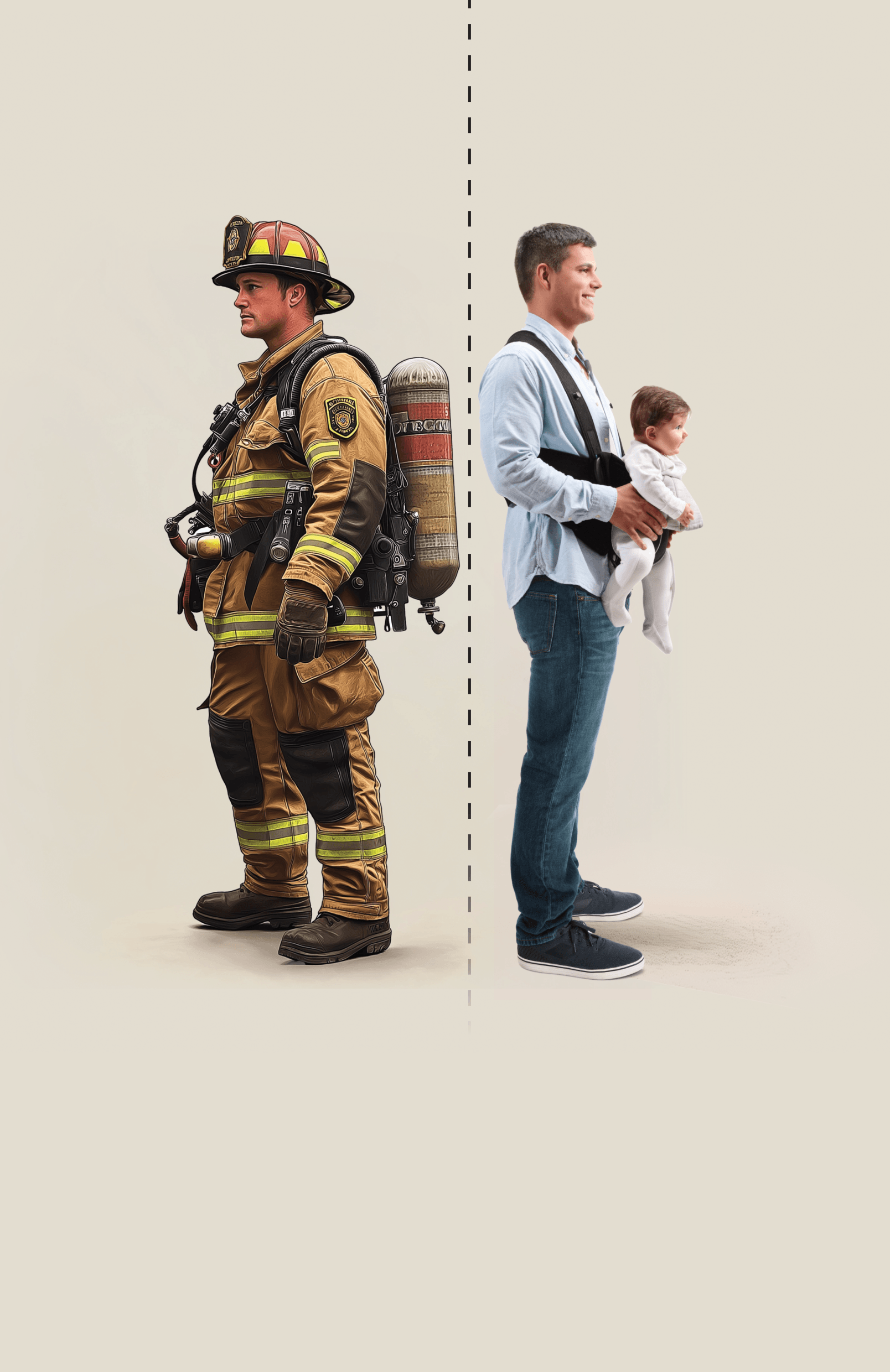
Every day, first responders step into situations most people spend their lives trying to avoid. Fires, medical emergencies, violent incidents, and life-threatening crises are part of the job. While they are trained to handle high-pressure situations, the cumulative impact of repeated exposure to trauma can take a significant toll.
More than 80% of first responders experience traumatic events on the job. Research has shown they face elevated rates of post-traumatic stress, depression, anxiety, and burnout compared to the general population. A meta-analysis of 138 studies found that about one in seven first responders (14.3%) are likely to experience post-traumatic stress disorder (PTSD) symptoms due to engagement in routine duties, as will one in 12 responding to large-scale disasters. Another analysis of police personnel highlighted a 14.6% rate of depression due to occupational stress. Both are significantly higher than the general population.
Peer support programs, counseling services, and wellness initiatives can help those in fire, EMS, law enforcement, and emergency communications roles face these challenges. Mental health experts also point to another important factor that can influence resilience: social connection. Research has consistently identified social support from family, friends, and trusted colleagues as one of the strongest protective factors against post-traumatic stress.
Why Connection Matters
The demands of emergency service work can make maintaining relationships difficult. Shift work, mandatory overtime, odd-hours schedules, and decompressing from exposure to critical incidents can interfere with family activities, holidays and social events. Over time, these disruptions can contribute to feelings of isolation, even among people who spend their careers working as part of a team.
Strong social support networks can help buffer the effects of occupational stress. Shared positive experiences help reinforce relationships, reduce feelings of isolation, and provide opportunities to recharge outside of work.
A recent study of military veterans, service members and first responders add to this growing body of evidence. The survey, which included more than 1,600 participants, explored the impact of attending live events such as sports contests, concerts, and community activities with family and friends. The findings were striking.
For 90% of respondents, attending live events positively affected their overall well-being, while 86% said the experiences strengthened family bonds and/or community connection. Participants who attended events more frequently reported even greater benefits, suggesting regular opportunities for meaningful, shared experiences may contribute to long-term social and emotional well-being.
Creating Opportunities for Connection
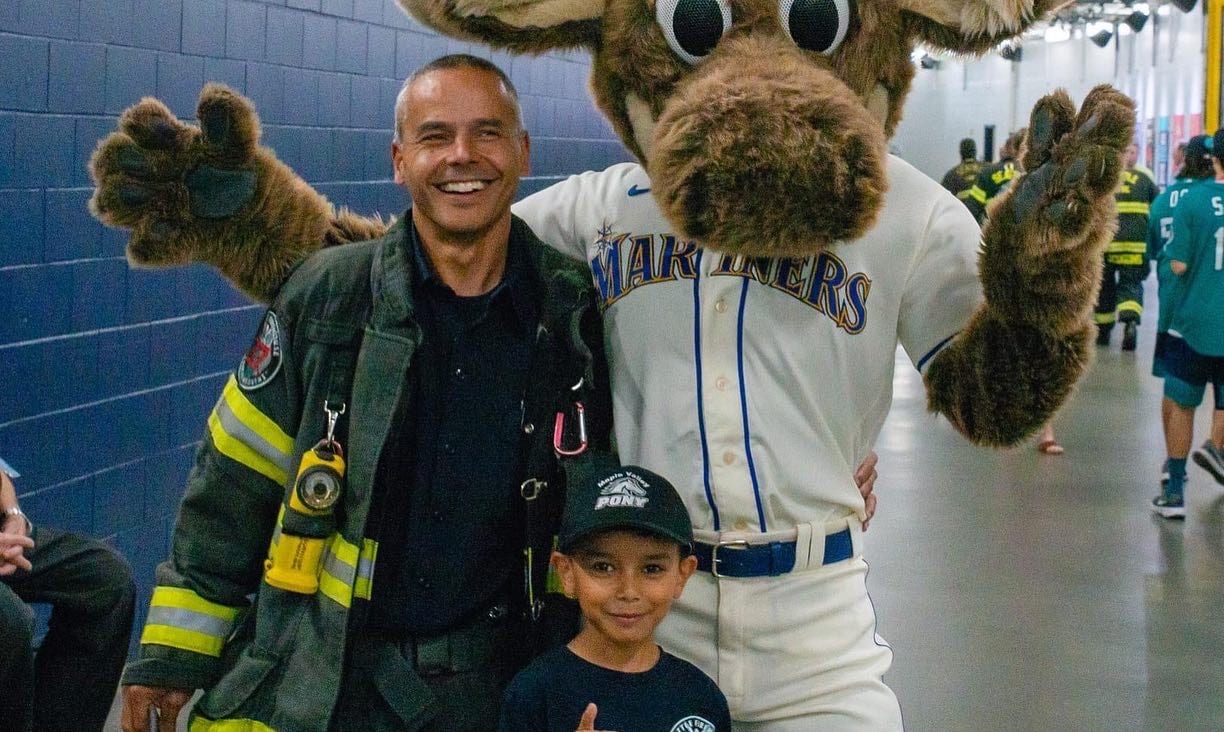
First responder organizations are exploring practical ways to support connections outside the workplace. One example is 1st Tix, a non-profit program that provides donated tickets to live events for active and retired first responders, including firefighters, EMS professionals, law enforcement officers, nurses, and emergency dispatchers. Through partnership with sports organizations, entertainment venues and event promoters, the program helps make recreational experiences more accessible to those who serve their communities. It’s free to join.
The concept aligns with broader research on social support. Whether the activity is a baseball game, concert, theater performance or community event, the potential benefit lies less in the event itself and more in the opportunity to make memories and spend meaningful time with family, friends, and fellow responders. Since 2008, close to 40 million free tickets have been distributed through 1st Tix and its parent organization, Vet Tix, to more than 2.7 million members, the largest veteran service organization in the U.S.A.
For many first responders, prioritizing these activities can be difficult in the face of demanding schedules and professional responsibilities. Programs that reduce financial or logistical barriers help create more opportunities for connection, particularly for those whose routines are frequently shaped by emergency service work.
A Broader Approach to Wellness for First Responders
The conversation around first responder wellness has evolved considerably. Resilience is influenced by multiple factors, including access to mental health resources, physical health, peer support, organizational culture, and family relationships. Social connection is also part of that discussion. While no single program can address the complex challenges facing first responders, meaningful engagement with others can play an important role in supporting long-term well-being.
For the men and women who spend their careers helping others through difficult moments, those connections may be among the most valuable resources they have.
Photo by Steve Baer | FireDog Photos