
Redefining strength in the fire service
There’s a belief that runs deep in the fire service. Most of the time, it’s not something we say out loud. But you can feel it in the way we look at each other, in the expectations we quietly set, and in the stories we tell ourselves:
- If you’re not completely exhausted, are you pulling your weight?
- If you’re not pushing past your limits, do you even care?
- If you’re not burned out, are you truly committed?
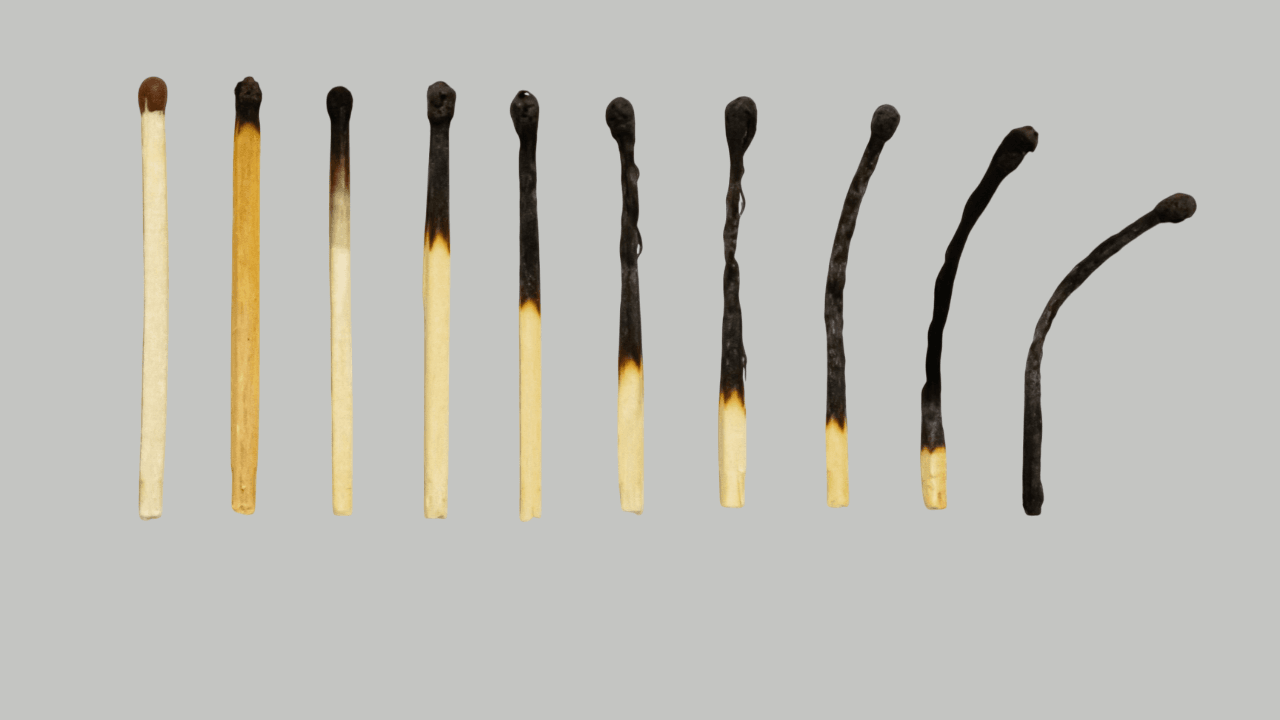
Somewhere along the way, we began treating burnout as a badge of honor. The firefighter who never takes a break, always says yes, and works until they’re barely standing is the one we hold up as the gold standard. However, in reality, this mindset is consuming us and spitting us out. It’s breaking down our bodies, wearing out our minds, and driving good people away from the work they once loved.
I know because I’ve been there. I used to think I could out-tough anything. For 24 years, I kept my foot on the gas, thinking that was what resilience looked like. But eventually, I hit a wall. My drive fizzled out. My tank was bone dry. I had to walk away from a job that once made me feel alive and full of purpose.
When Suffering Becomes a Symbol
There’s a reason we call it “the grind.” We have convinced ourselves that the more we sacrifice, the more valuable we are. The firefighter who skips lunch, takes every overtime shift, never shows a hint of vulnerability, and keeps pushing is the one we admire. But how often do we stop and ask, what’s the real cost?
Behind the scenes, it might mean missing dinner with your kids. It might mean dragging yourself out of bed, feeling anxious for no reason, or snapping at people you care about. It might mean you stop feeling much of anything at all. Burnout is not a sign of strength. It’s a sign you’re running on empty. If we continue to celebrate it, we will continue to lose passionate, talented firefighters to illness, injury, regret, or worse.
The Culture of Silence
We are trained to be tough. To keep our cool. To keep moving forward, no matter what. There is pride in that, and sometimes it is well-earned. However, when toughness becomes a mask, it stops serving us. Too often, we think asking for help means we are weak. Taking a break feels lazy. Setting boundaries can make us worry we don’t care enough. Unless you are running yourself into the ground, you are not seen as truly dedicated.
But this way of thinking does not build real strength. It just piles on invisible pressure and pushes us closer to the edge. Burnout is not always a dramatic collapse. Sometimes, it is just going through the motions. Sometimes, it’s waking up already tired. Sometimes, it’s quietly pulling away from your crew, your family, or even yourself.
I ignored the warning signs for years. My body was keeping score, even when my mind refused to listen. Then, out of nowhere, I started fainting, known as vasovagal syncopes. My body was waving a giant red flag, and finally, I had to pay attention. I was lucky I got the message before something worse happened.
A Different Path Forward
The good news is it doesn’t have to be this way. You don’t have to choose between being a great firefighter and taking care of yourself. You can be reliable, committed, and effective without burning out.
- What if rest made you better at your job?
- What if recovery was part of your preparation, not just something you get after you break down?
- What if taking care of yourself helped you take care of others even more?
Changing this mindset starts with seeing burnout for what it is. Burnout is a slow unraveling that happens when we ignore our limits.
How Do We Start to Shift?
Check in with yourself
Just like we check our rigs and gear, start your day with a quick “pre-trip” for yourself. Take a few quiet minutes, maybe in the truck before your shift or as you walk through the bay doors. Ask yourself, “How am I doing?” Not only physically but also emotionally and mentally. At the end of your shift, conduct a “post-trip” review before heading home.
Reclaim a little time for yourself
Find one hour a week that is just for you. Take a walk without your radio. Sit in the quiet at home. Do something that reminds you that you are more than your title or your rank. This is not selfish. It is survival.
Say no when you need to
Perhaps it’s turning down a shift you would typically take out of guilt. Maybe it’s skipping a meeting that doesn’t need you. Notice how it feels to hold that space for yourself. Most of the time, the world doesn’t fall apart when we say no. Things often get a little easier.
If burnout is already knocking, talk to someone
Whether it’s a colleague, a mentor, a coach, or a therapist, don’t wait until you’re in crisis. You do not have to be on the edge to have a conversation. Sometimes, simply saying, “I have been feeling off,” can open a door you didn’t know you needed.
See rest as part of your preparation, not just recovery
Rest is not a weakness. It is fuel. You would not go into a fire with an empty SCBA. Do not go into your life completely drained. Rest is critical for performance and not a sign of laziness.
You Don’t Have to Burn Out to Prove Your Worth
You don’t have to run yourself into the ground to prove you belong. You don’t have to be the last one standing to earn respect. You don’t have to wait until you’re in crisis to permit yourself to slow down.
This is not about doing less. It’s about doing what matters, in a way that lets you keep showing up for the job, for your crew, for your family, and, most importantly, for yourself.
You’re not a machine. You’re a human being. You have a heart that beats, a body that needs care, and a life that deserves your attention. You can be brave, strong, and reliable and still rest. You can lead with grit and still set limits. You can love the job and love your life beyond it.
There is a saying that hits home for me, and I want to share it with you: Burnout doesn’t come from doing too much. Burnout comes from doing too much of what does not make you feel alive.
So, ask yourself: Do I feel alive, or is it time for a course correction?