
***‘***You don’t need to earn every moment of rest like it’s some kind of trade-off’
One of the hardest things for me to do – maybe the hardest – is to just sit still.
Not because I don’t want to rest. I do. I fantasize about slowing down. But the moment it actually happens, something in me tightens up. My mind starts running through what I could be doing instead. What needs fixing? What’s overdue? What opportunity am I wasting by sitting here doing nothing? I know that’s not healthy, but it’s honest.
I’ve always looked at time like a currency that expires fast. If I’m not spending it wisely, it feels like I’m losing. And if I’m honest with myself, that’s not just about productivity; it’s about identity. I don’t like the version of me that lets things slide. If something gets missed, forgotten, undone, or late, I don’t just chalk it up as a loss; I carry it like a personal failure. I feel inadequate. Like I should’ve done more. Like I let the system down.
That’s the real root of this for me. I don’t know how to idle without guilt creeping in.
But I’ve learned how to work with that energy instead of letting it run me off course. I’ve started to pre-load wins instead of chasing them in real time. If I know something’s going to matter later – like fertilizing the lawn before a dry stretch or renewing my passport before it becomes urgent – I handle it early. I don’t wait for pressure. I move with intention before the pressure shows up. That’s my peace. That’s how I earn stillness.
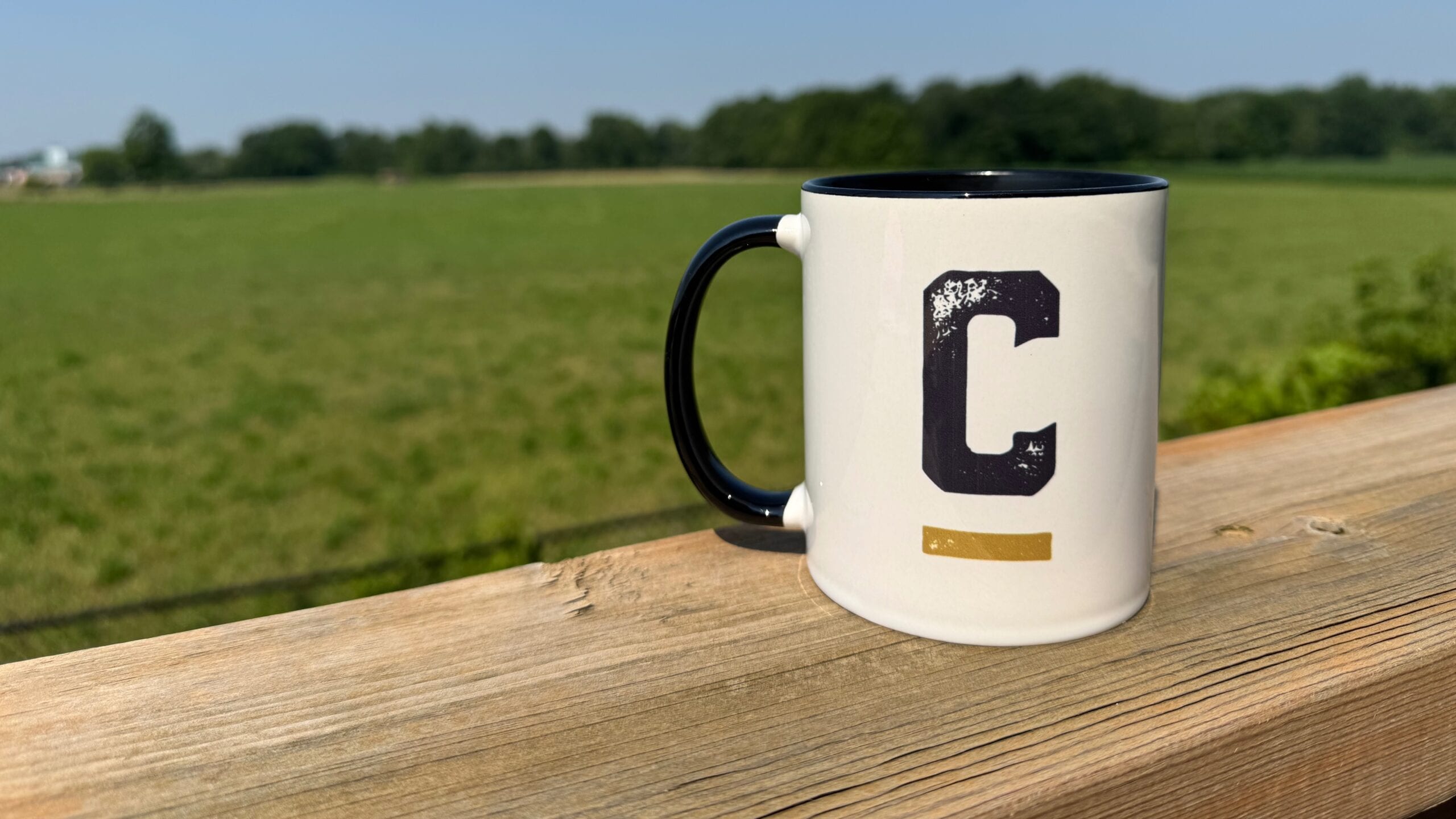
And when the time comes, and I’m sitting outside with a coffee, looking at that green lawn I set in motion three weeks ago, I can finally exhale. Because I earned that moment early. And because of how I’m wired, that win matters. It calms something inside me.
The Cost of Falling Behind
But if that plan had fallen apart, if I hadn’t followed through, I’d be sitting in that same chair feeling like a fraud. That’s the other side of this mindset. It’s not just about getting things done. It’s about what it costs me when I don’t. I’m wired for movement, but I’m also wired for meaning. And if the movement doesn’t lead to something, I start unraveling.
Lately, I’ve been experimenting with things that challenge this wiring. Like growing hostas from seed. That process is pure patience. You can’t rush it, force it, or outwork it. You prep the soil, give it the right conditions, and wait. And that’s hard for me. I caught myself overwatering, overchecking, overdoing – because I wanted results. But that mindset actually stunted the growth. Sometimes, the most disciplined thing you can do is back off.
Respecting Other Rhythms
And here’s another layer: being in close relationships with people who aren’t wired like this – who don’t feel the same pressure to optimize every minute – is a whole different learning curve. It’s easy to assume they don’t care as much. That they’re less driven. But that’s not true. They just operate differently. They have energy. Just not the same kind.
That’s taken me a long time to understand. And even longer to respect.
So here’s the truth I’m sitting with: I might never be someone who can fully shut it off. But I can learn to direct it. I can recognize when I’m trying to force something that needs to evolve. I can stop resenting the quiet and start treating it like a phase of momentum, not the absence of it.
Let Your Ideas Breathe
If you’re wired like me – if stillness makes you itch, and wins are how you regulate your nervous system – just name it. Don’t fight it. But don’t let it own you, either. You don’t need to earn every moment of rest like it’s some kind of trade-off. Sometimes the best thing you can do for your growth is to let your ideas breathe. Let your people be. Let your plans take root before you flood them with your need for results.
We don’t always have to be on to be effective. And we don’t always have to be in motion to be moving forward.
We just have to be aware of our wiring – and then choose our inputs with more intention than impulse.
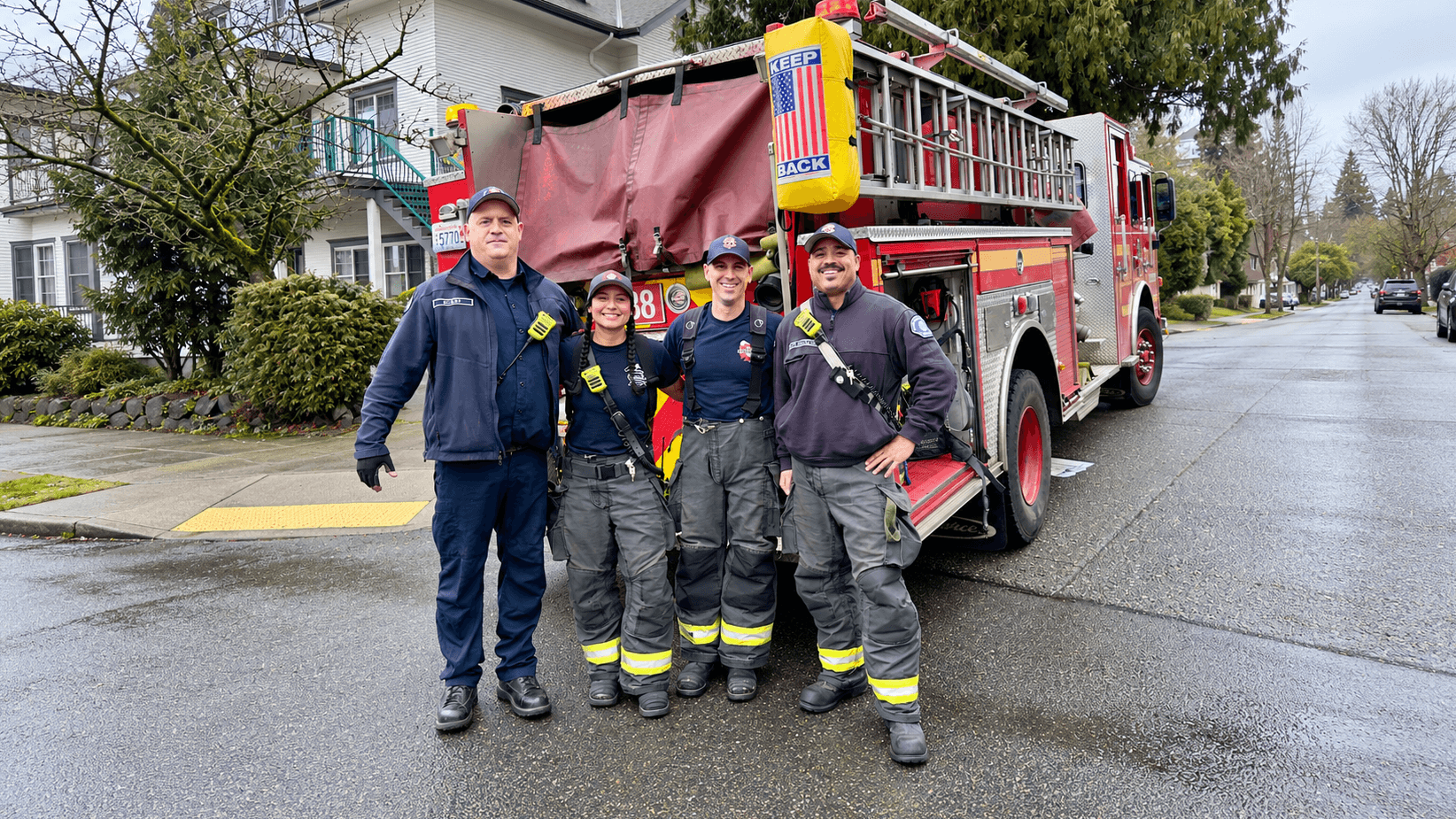
Kory Pearn is a career firefighter and captain; and the founder, publisher, and editor-in-chief of CRACKYL Magazine.