John has been a firefighter for the past six years. He is exemplary when it comes to his technical skills. He works hard, shows up on time, and knows his job well. If there’s a task that needs to be done, John can usually be counted on to get it done.
Yet despite all of these strengths, John often finds himself in conflict with fellow firefighters and supervisors. He’s frustrated because he has repeatedly been passed over for promotions and leadership opportunities. While he’s generally a pleasant person, he struggles to build and maintain meaningful long-term relationships at work. Over time, he has become somewhat isolated from the people around him.
Joe, on the other hand, has only been a firefighter for three years. While he may not be as technically gifted as John, he consistently builds strong relationships based on trust and respect. He communicates well, manages conflict effectively, and has developed a reputation as someone others enjoy working with. His co-workers seek out his opinion, and his supervisors see leadership potential in him.
So what’s the difference?
Both firefighters show up to work. Both care about the job. Both want to succeed. Yet one continues to advance while the other remains stuck. The difference may not be found in technical ability alone. In many cases, the deciding factor is communication and relationship building.
In a profession where trust can mean the difference between success and failure, even life and death, communication is a necessary skill, right alongside technical skill and knowledge. It influences career advancement, leadership opportunities, team culture, personal wellness, and the quality of the relationships we build both on the job and outside of the fire service.
In fact, communication can be one of the most important skills a firefighter develops throughout a career.
Communication and Career Advancement
Leaders often promote people they trust, and who are going to represent the department rather than their own self-interest. Through consistent communication and curiosity, they align with the department’s mission and goals, and their daily actions reflect this alignment. Other characteristics include handling conflict, communicating with citizens, managing crews, and working effectively with the administrative staff.
For example, a firefighter speaking with the public on a fire scene who can remain calm, listen respectfully, explain clearly, and show empathy is representing the department well, versus a firefighter who is tired and, as a result, is in a rush and inattentive. This can even stem from a lack of proper communication skills and anxiety with social interaction. This can be identified and improved upon.
Another example would be an officer delivering difficult feedback while remaining consistent and aligned with the department’s policies regarding the consequences of wrongdoing. This also includes making sure respectful communication takes place through appropriate channels.
All of the above examples represent communication skills: active listening, professionalism, emotional intelligence, conflict management, and the ability to influence others. These skills can be taught and practiced through leadership programs, emphasizing mentorship, and involving organizations such as Toastmasters. Having said that, self-initiative is an important part of this growth process.
Communication and Firehouse Culture
Most conflict in the workplace starts with poor communication. Examples include assumptions, misunderstandings, lack of feedback, and unspoken expectations. One of the most common roots of conflict in the fire service is gossip.
For example, a firefighter notices a crew member has been meeting with the battalion chief on a regular basis. Instead of asking questions or assuming there must be a legitimate reason, the firefighter makes comments in the kitchen such as, “I guess he/she is trying to get close with the chief. Guess that’s how you get promoted around here.”
This remark gets repeated until the individual meeting with the chief starts being treated differently. In reality, that firefighter was called upon to develop a training program based on their specific skills. However, by the time the truth comes out, trust has been damaged and relationships have become strained.
In this profession, where firefighters rely on each other in life-threatening situations, trust is a necessity. Every conversation either strengthens that trust or weakens it.
Communication and Mental and Emotional Wellness
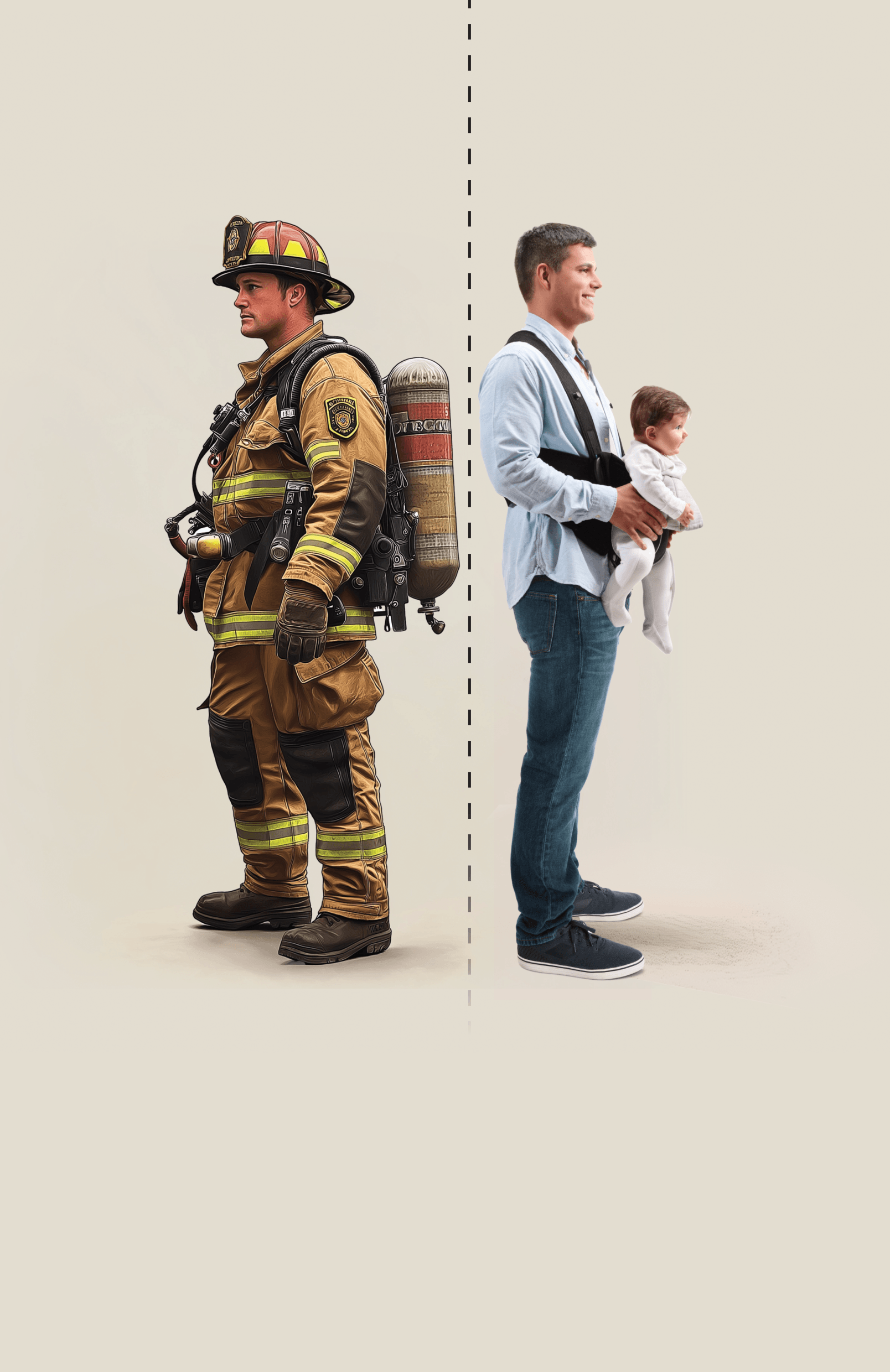
Firefighters are often taught to be tough, figure it out, not complain, and push through adversity. While these habits may be useful on calls, they can cause problems off the job.
When people stop talking, stress accumulates. Sharing feelings during challenging times can bring relief and support. Because they face many of the same challenges, firefighters often understand and relate to each other better than anyone else can. Communicating with peers during challenges builds trust, decreases isolation, and strengthens relationships.
Open and honest communication also prevents assumptions and misunderstandings that can build up over time and lead to bitterness or rejection. These feelings can increase stress, especially among people who work together for long periods. When trust is established, people feel more comfortable asking for help early, before stress accumulates.
Communication at Home
Firefighters face unique challenges, such as shift work, resulting in interrupted sleep and missed holidays with their families. In addition, they are exposed to trauma on a regular basis and experience fatigue, both emotionally and physically.
As a result, many firefighters feel disconnected from their spouses. It’s not because they don’t care, but because they don’t know how to communicate what they’re experiencing. One way to start a conversation with your spouse is to share what your shift was like and how it affected you. You can even begin with, “I’d just like to tell you about my day and vent. Would you mind listening and just letting me have a monologue for a minute?”
This may sound funny and unnatural, but it’s open and honest, and lets your spouse know what you need from them at that moment.
If your spouse doesn’t ask how they can support you, you can let them know how. For example, you can tell your spouse you may be quiet for a few hours. It doesn’t mean there’s a problem at home. It’s because you need time to settle your thoughts. You’re asking your spouse to give you space while you transition from a chaotic environment to home, your sanctuary.
Healthy communication at home can give firefighters renewed energy to return to work and face challenges.
Communication is a Life Skill
We spend a great deal of time teaching firefighters how to fight fires, operate equipment, and respond to emergencies. Those are all important skills. However, the conversations we have in the workplace and outside of it determine the quality of our time at work, our relationships, leadership, and overall well-being.
Communication is a professional skill, but more than anything, it’s a life skill. For many firefighters, it may be the most important skill they ever develop.
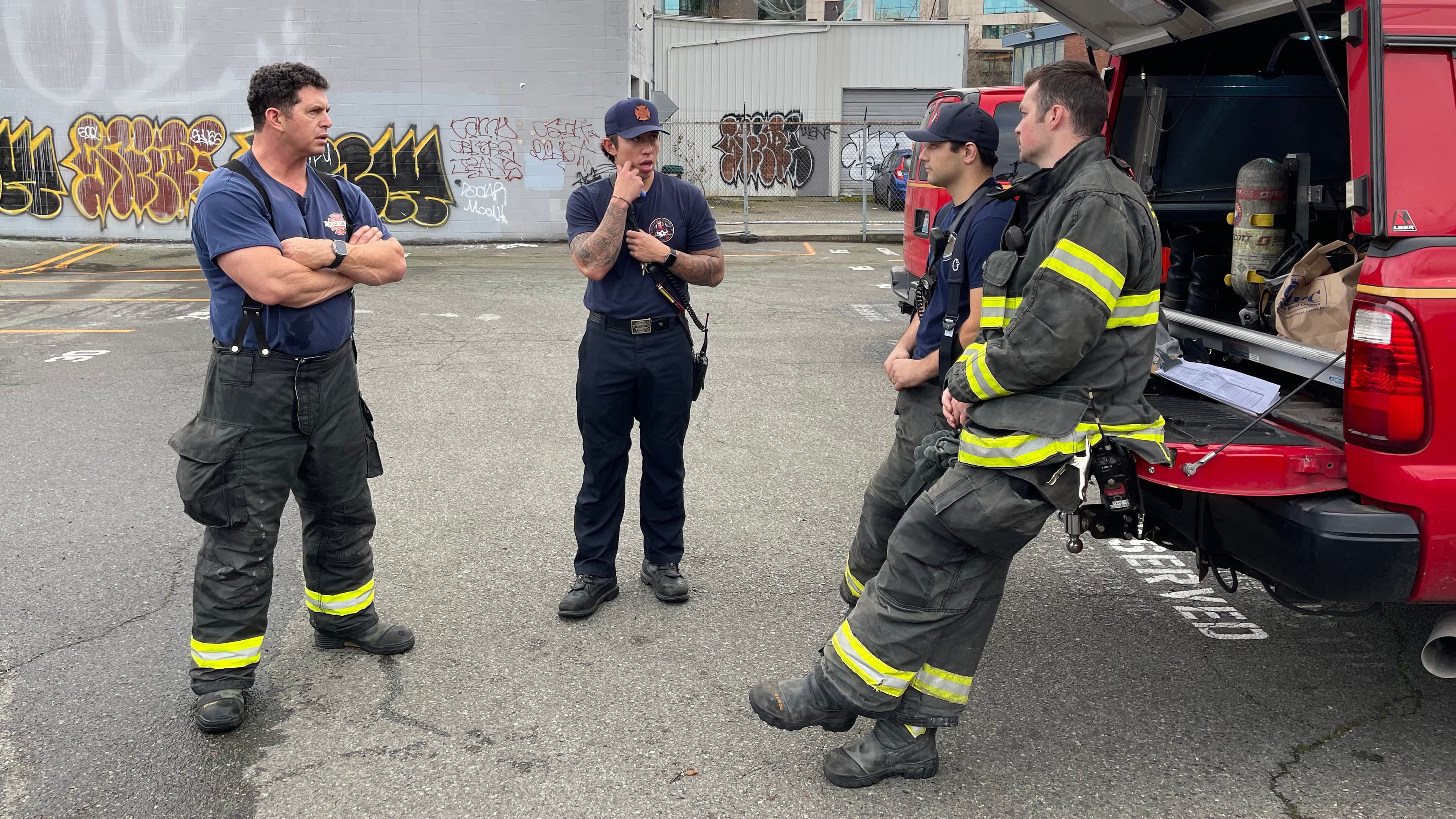
Photo by Steve Baer | FireDog Photos