What happens when the documentarian used to wear the gear
Twenty-one years in the fire service, and I thought I knew exactly what walking back into a firehouse would feel like. Turns out I had no idea.
I’m the executive producer behind “Saving the Brave,” a documentary on a first-of-its-kind embedded mental wellness program. I figured my years on the job would make this easy. I know the culture. I know the humor. I know the silence, too, the specific kind that shows up at 3 a.m. after a bad one. None of that turned out to be the advantage I expected.
Being an outsider making a documentary about the mental wellness of firefighters is hard in the ways you’d guess. Being an insider making one is hard in ways nobody warns you about.
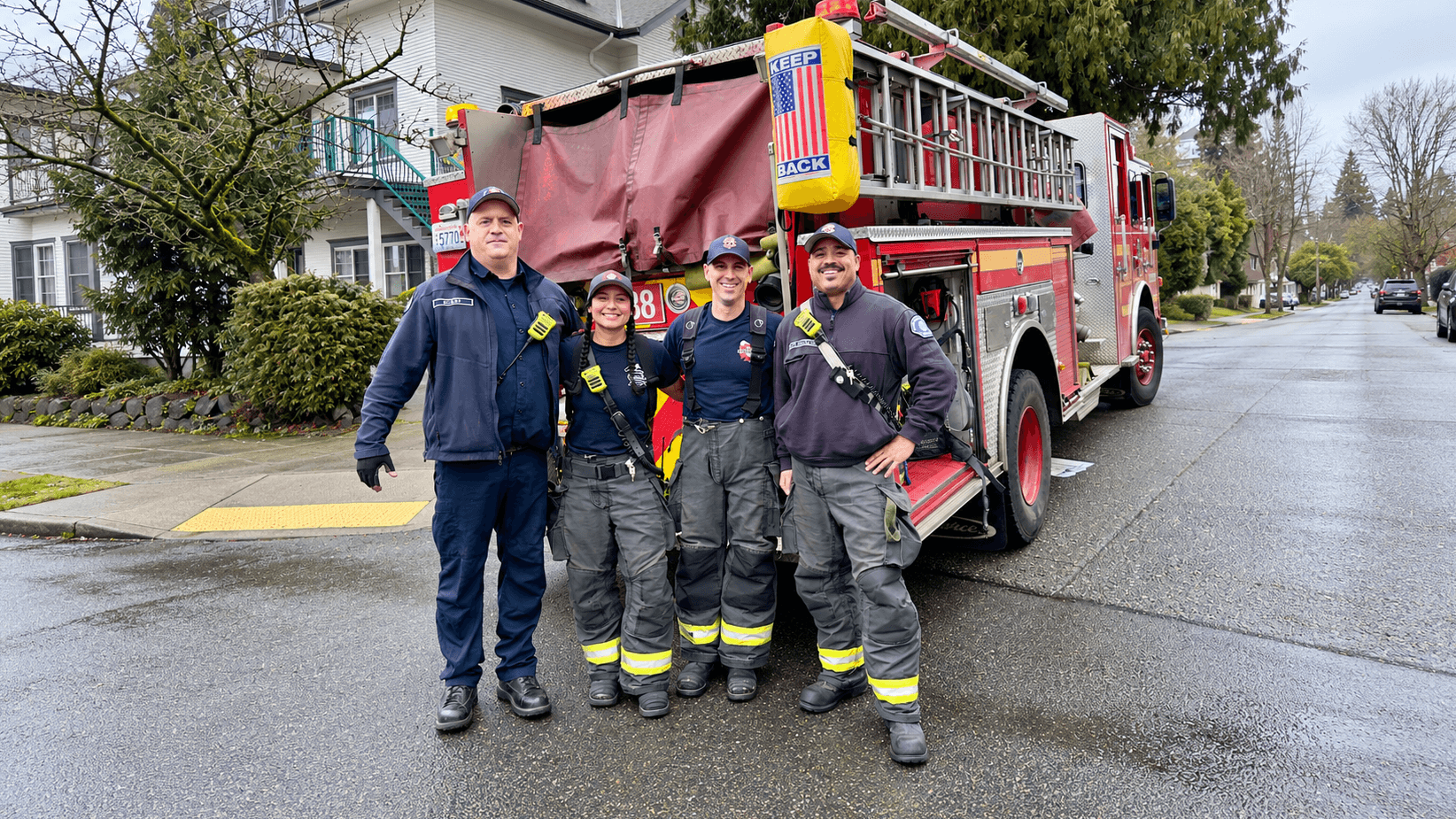
Here’s the thing I didn’t see coming: I used to have full run of the firehouse. Badge, keys, rank, seniority, the whole deal. Now I show up with a camera crew and a fire captain has to walk me in. He’s our liaison for everything: station access, scheduling around shift start and end times, training calendars, ride-alongs, filming daily firehouse life. I used to be the guy who belonged there without asking. Now I’m the guy who has to be escorted.
That’s not a complaint. It’s just true, and it took me a while to adjust to it.
Earning Back Trust
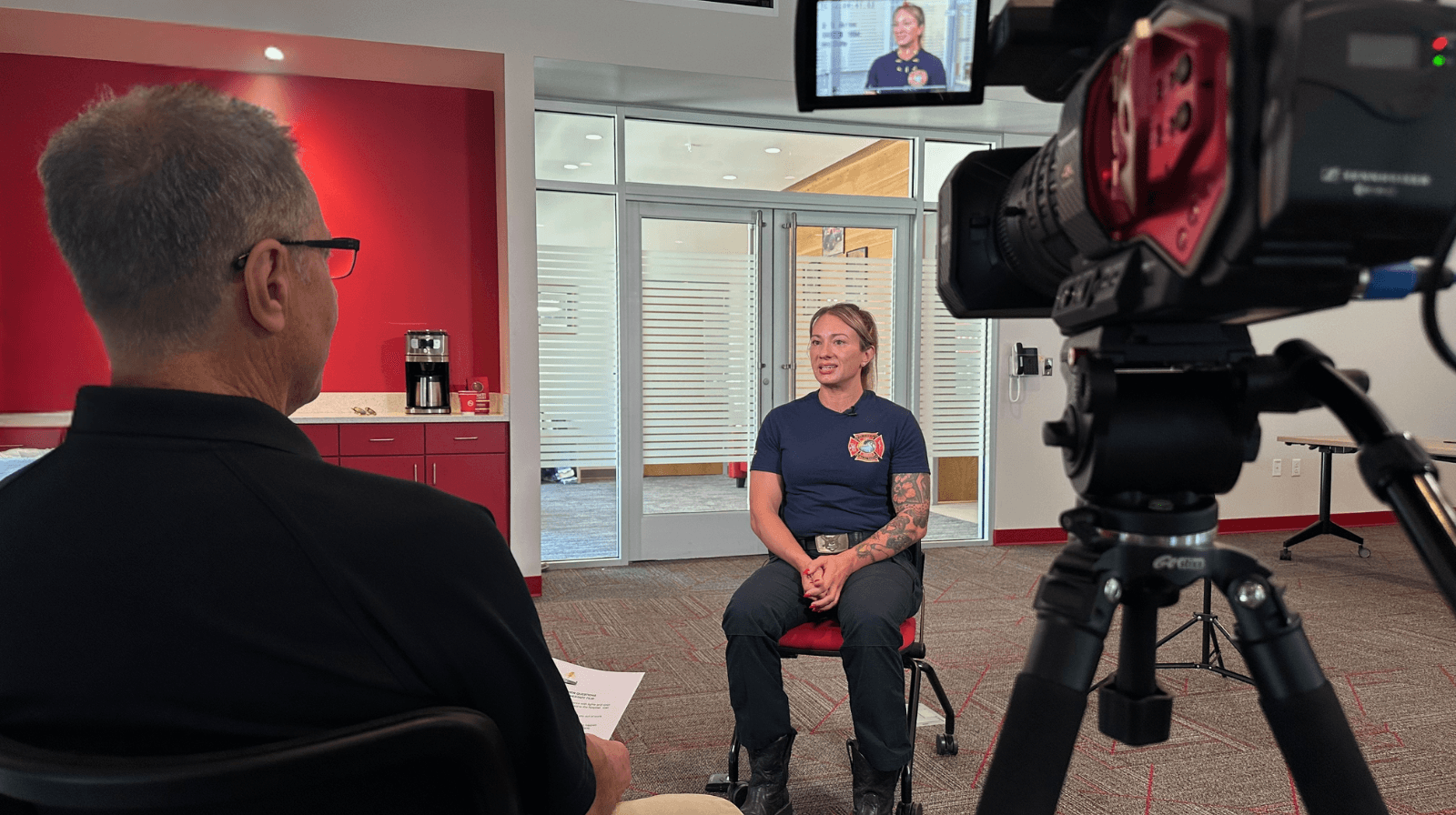
Trust doesn’t transfer just because you used to wear the gear. We have to earn it again, every time, with chiefs, company officers, and the firefighters themselves. Especially in the interview chair. A firefighter will tell you almost anything at the kitchen table on shift. Different story with a lens pointed at him or her and a mic clipped to his or her collar.
So we go slow. We talk on Zoom and the phone before we ever hit record. We explain what the project is, why it matters, what we’re not going to do with the footage. Some firefighters warm up in 10 minutes. Some take months. A few never do, and that’s their right.
The subject matter doesn’t make any of this easier. We’re not asking about the best save of somebody’s career. We’re asking about suicide. About loss. About high-profile national critical incidents. About the call where the outcome didn’t go their way and never will, no matter how many times they replay it. About Surfside, the condo collapse, and what it does to a person to work the recovery for weeks on a disaster like that. But it’s not only the heavy stuff. We ask about post-traumatic growth, too. You don’t walk into those questions with just a script. You walk in with restraint. Every question was built by our director, Jason Harney, with care, because the goal is never to reopen something without a plan for what happens after it opens.
What the Camera Captures
Then there’s the footage nobody thinks about until you’re the one shooting it. B-roll sounds simple. It isn’t. Not everybody wants to be in frame, and that’s before you factor in what we’re actually trying to capture. We’ve filmed recruit training. And family night, where spouses and kids show up and you can feel the weight of what this job asks of a whole household, not just the firefighter. We’ve filmed a live burn at an acquired structure, where people make mistakes because it’s training. We’ve filmed inside an EMDR therapist’s office and inside a residential treatment facility, both places where the whole point is privacy, and we’re standing there with a camera trying to earn the right to be present without disrupting the one thing that’s actually helping someone heal.
Every clip somebody hands over, every photo pulled from a phone, comes with an unspoken question attached: are you going to make us look bad? We’re not. We want the department to look like what it actually is, which most days is impressive as hell. But that intention doesn’t erase the ask. Handing over your image, your words, your family’s face on camera, that’s a significant thing to request of someone.
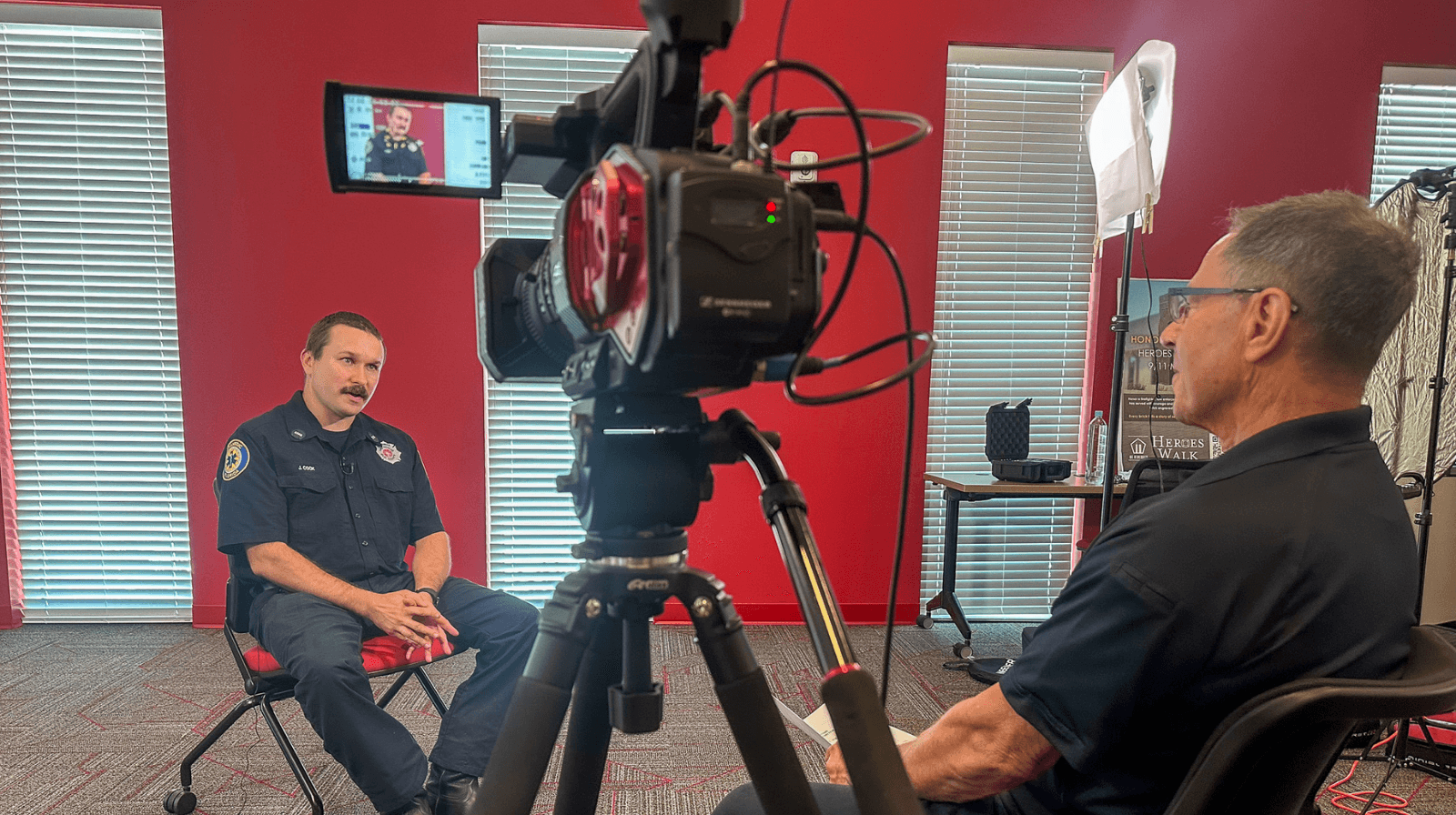
And then there’s the plain physical grind of it. A fire station apparatus bay in mid-July, flies buzzing the sweat on everybody’s neck, traffic noise bleeding into every take, and somewhere in the middle of that circus you’re trying to get a captain to say something profound about peer support.
Marie Gumá, my co-lead on this, has an advantage we don’t. Her company, Command Counseling Center, is the embedded mental wellness program at the center of the documentary. She’s got daily working relationships with a lot of the people we’re filming. We’re leaning on that relationship, and on months of pre-production conversations with our director, Jason Harney, just to get stakeholders comfortable enough to let us in the door in the first place.
The Responsibility of Being an Insider
Here’s what I’ve landed on after all of this: being a former insider doesn’t buy you access. It buys you the responsibility to handle access better than an outsider ever could, because you know exactly what it costs the person in that chair to talk. Use that knowledge to protect them, not to mine them for something dramatic.
If you’re ever the guy holding the camera pointed at your own people, go slower than feels necessary. The story’s not going anywhere. The trust might, if you rush it.
"Saving the Brave" is in production through 2026, with release planned for the first quarter of 2027. More at savingthebrave.com. Connect with us on Instagram.