
Frequency vs. Severity Beyond the Fireground
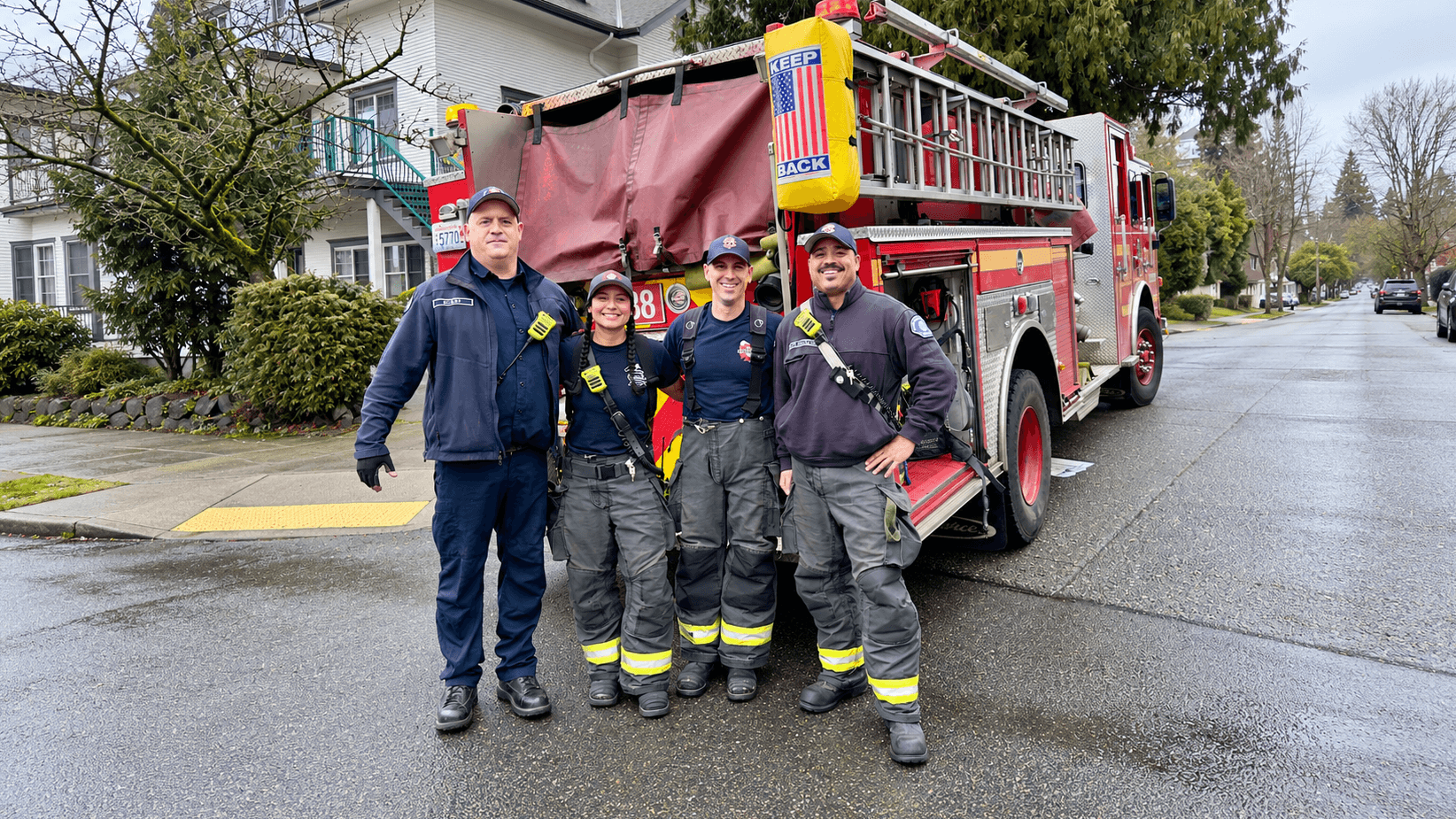
Firefighters train for low-frequency, high-severity events on the fireground. The same way of thinking may reveal something deeper about how life changes direction
Some questions have a way of showing up whether you invite them or not. The one that seems to circle back most often for me is simple: What am I missing? Not because things are going wrong, but because things are going well. Progress has a way of creating its own kind of curiosity. When life begins to move in a better direction, the natural reaction is to enjoy the moment. The harder — and more interesting — response is to ask why it’s happening at all.
I’ve never believed progress happens by accident. When things improve, it usually traces back to a series of decisions, adjustments, and patterns that have slowly lined up. Habits begin to reinforce each other. Relationships deepen or change. Boundaries get clearer. A handful of better choices made consistently over time starts to create momentum. It may feel sudden when things finally start working, but most of the time that shift has been building for much longer than we realize.
Thinking about it that way leads me back to those same questions. If things are moving in the right direction right now, what decisions led here? Which habits are supporting this moment? Which relationships have become stronger, or more honest? And maybe most important: what part of the picture am I still not seeing?
Understanding Progress and Its Roots
That line of thinking has also pushed me to look at life through a slightly different lens. A useful way to examine risk comes down to two simple questions: how often does something happen, and how bad is it when it does? Those two variables shape almost every outcome in one way or another.
A well-run fire department understands this instinctively. Training doesn’t only focus on the calls that happen all the time. The best departments also dedicate time to preparing for the incidents that occur far less often but carry enormous consequences when they do. Rare events demand preparation precisely because their severity is so high. Thinking about life through the same framework has been a useful exercise for me. If risk management matters on the fireground, it probably matters in the rest of life, too.
The things that happen frequently shape our habits and our direction. They quietly build routines, attitudes, and behaviors that slowly become part of who we are. Over time those patterns create momentum. We rarely notice the shift day to day, but the direction is being formed all the same.
Frequency, Severity, and the Shape of a Life
Then there are the events that occur far less often but carry enormous weight when they do. A health scare. A loss. A realization that changes the way you look at people or circumstances you thought you understood. Those moments may be rare, but their impact can redirect everything that follows.
Both forces are always at work.
The patterns that repeat day after day shape the road long before we recognize it. At the same time, the rare moments that arrive with real severity can change that road instantly. One builds trajectory. The other can redirect it.
Moments That Reshape Our Assumptions
Sometimes those moments reveal things we thought we had already figured out. Support we believed was there that turns out not to be. Friendships that were different than we assumed. Judgments about people or situations that look very different with time and distance. Experiences like that have a way of chiseling away at our assumptions and forcing a more honest look at our own decisions.
I’ve also noticed something else. I tend to ask these questions more often when things are actually going well, and it’s not out of fear that something bad must be coming. If life feels steady in this moment, why? What patterns led here? What habits or decisions created this stretch of stability?
When life is difficult, most of the energy goes into getting through it. When things are working, there is finally room to step back and study the system.
Sustaining the Good
Part of that reflection has led me to another thought. If things are good right now, what would it take to keep them that way?
Psychologists studying decision-making use a term called defensive pessimism. It describes a mindset where people deliberately think about what could go wrong even when things appear stable. Not because they expect failure, but because imagining potential disruptions sharpens awareness and preparation.
In the fire service, we instinctively understand this kind of thinking. We train for the incidents that happen rarely but carry enormous consequences when they do. Low-frequency, high-risk events demand preparation because when they occur, everything can change in an instant.
Rethinking Rare Moments
But that idea has also made me wonder about something else.
What if those rare, high-impact moments aren’t only negative?
What if some of the most meaningful shifts in life also come from low-frequency, high-stakes moments that move things forward instead of backward? A conversation that changes a relationship. A decision that alters the direction of a career. A realization that resets how you see the world.
Those moments don’t happen every day. But when they do, they carry enough weight to redirect the road ahead.
And maybe that’s where the thinking begins to shift.
For a long time I’ve been asking myself the same question: What am I missing? But the more I sit with it, the more I wonder if that’s the wrong question entirely.
From Missing to Making
Maybe the real question isn’t what I’m missing. Maybe the real question is what I’m making.
Maybe those rare, trajectory-changing moments aren’t simply accidents waiting to appear like comets in the sky. Maybe they’re the result of conditions that have been quietly building for a long time — decisions, habits, curiosity, and relationships that create the possibility for something bigger to happen.
And the truth is this. We spend a lot of time preparing for the worst moments that could change our lives. We train for them, plan for them, and try to reduce their impact.
But maybe the real opportunity lies somewhere else.
Maybe the goal isn’t waiting for the next comet to pass through our lives.
Maybe the real work is building the conditions where those moments become more likely — the rare decisions, conversations, and realizations that bend the trajectory forward.
Until the moments that change everything stop feeling like accidents and start appearing by design.