We have come a long way in the fire service when it comes to encouraging women to consider firefighting as a career.
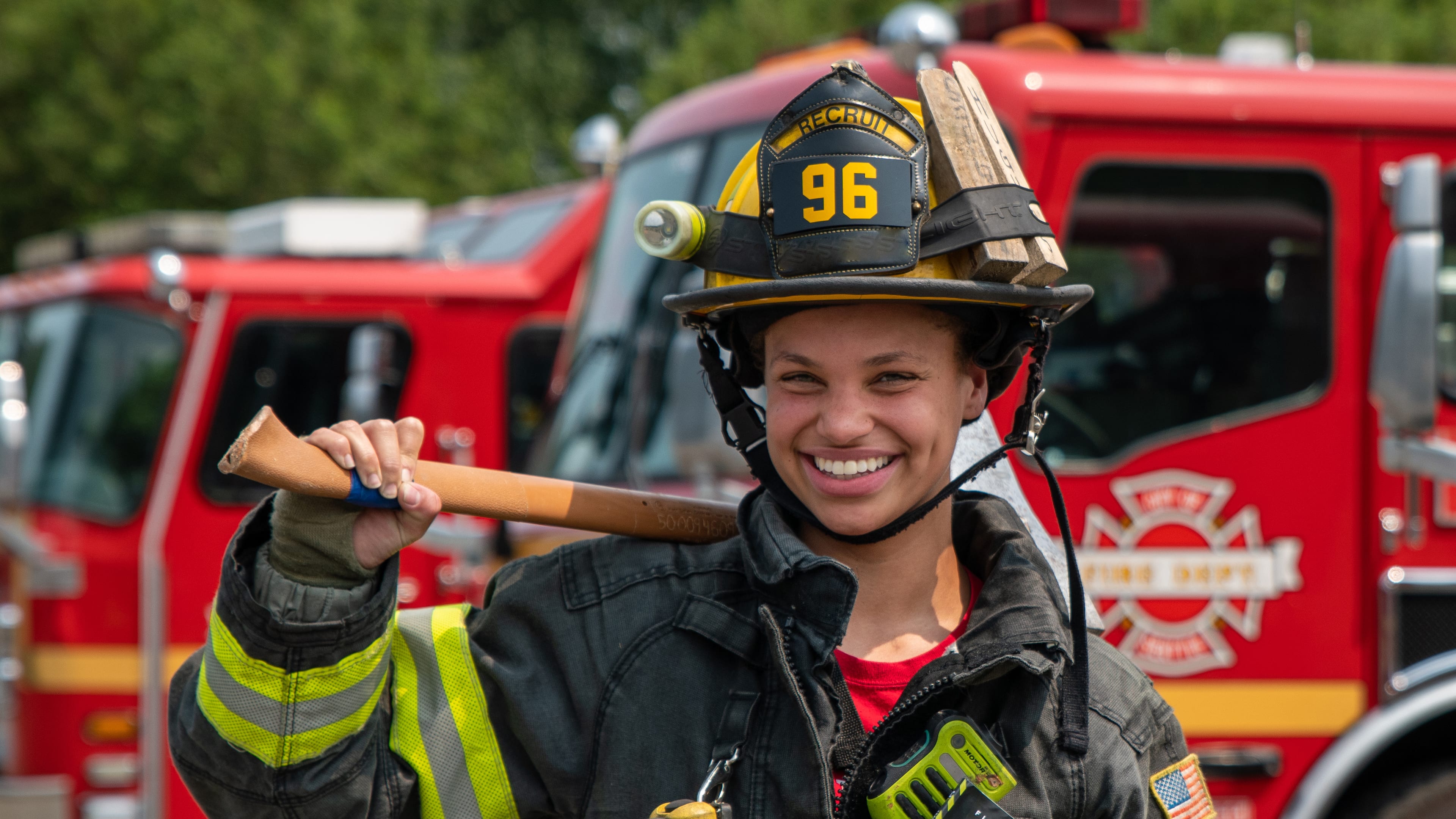
Across North America, departments and organizations are running fire camps, recruitment days, mentorship programs and hands-on events. We bring young women into our halls, put tools in their hands, introduce them to firefighters, and show them this is absolutely a career they can pursue.
I have been involved in this kind of work for years, and I believe in it. I have seen first hand what can happen when a young woman gets the chance to try something she may never have pictured herself doing.
But lately, I have been thinking about what happens after we recruit them.
After the Recruitment
What happens when that young woman gets hired and is five, 10 or 20 years into her career?
Are we still as excited to invest in her?
It seems strange we can be so willing to spend money, time and resources encouraging women to become firefighters, but sometimes hesitate when women already in the fire service ask to attend a conference, symposium, leadership program or training opportunity.
We should be asking ourselves why.
When we send someone to technical rescue training, officer development, an instructor course or a conference related to their area of expertise, we generally understand the value. They learn, make connections, bring ideas back and become better at what they do.
Why would we look at professional development opportunities for women any differently?
Professional Development Matters
For some women, these events may also be one of the few times they are in a room with other women who understand their experience.
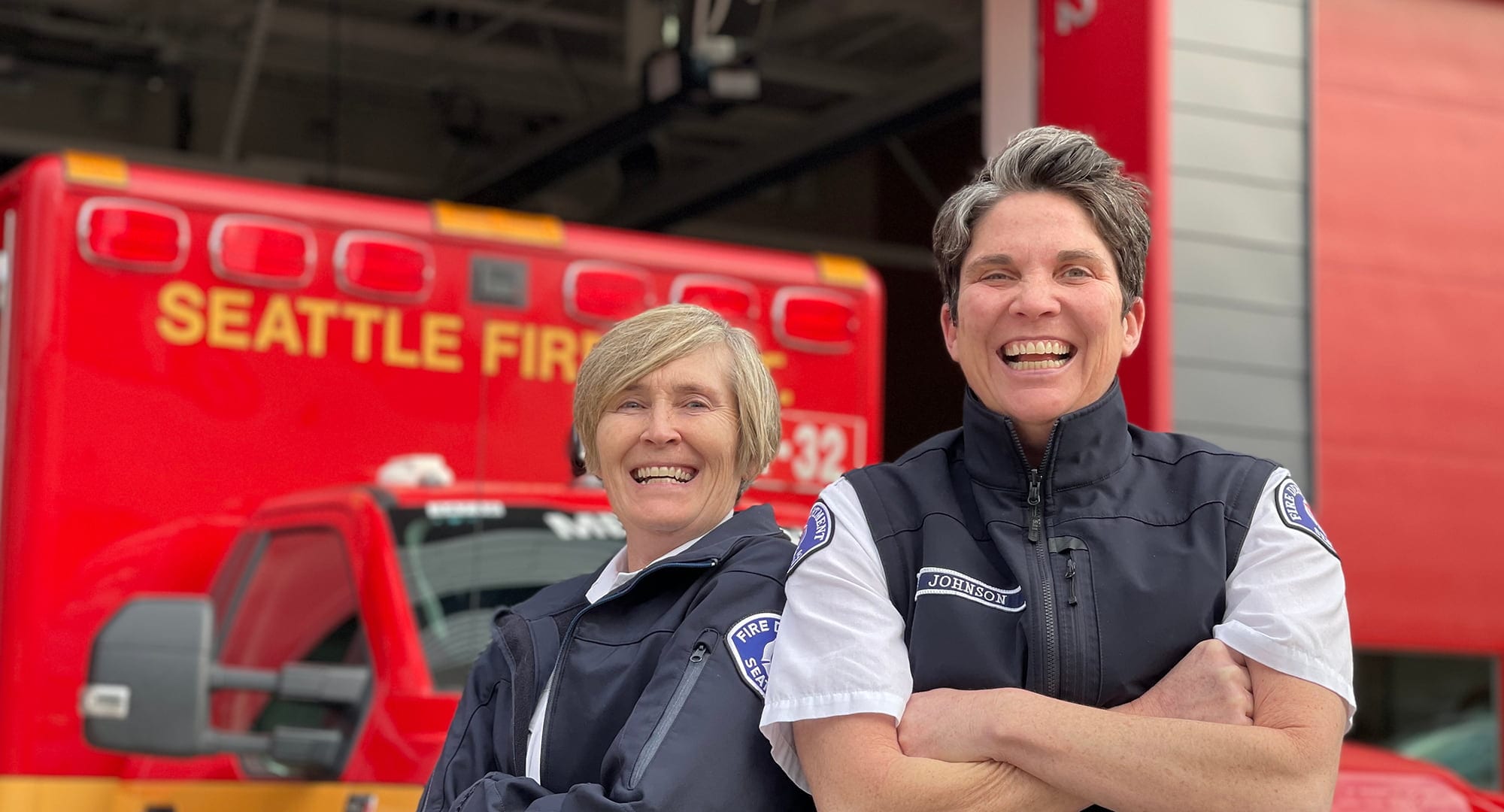
Some firefighters are still the only woman on their crew or in their hall. Women are moving into officer positions who have never worked for another woman officer. Women are trying to navigate pregnancy, family planning, menopause, leadership, promotion and a long career in PPE and workplaces that were not originally designed with them in mind.
Being able to sit in a room with women from other departments and talk about what is working, what isn’t, and how others have handled similar challenges has real value.
So does seeing a woman who is already a captain, chief, instructor or technical specialist and thinking, ”Maybe I can do that, too.”
From Representation to Retention
This is not about women needing special treatment. It is about professional development. And it is also about retention.
We talk a lot about how many women we recruit. Maybe we need to spend more time talking about how many are still here 10 or 20 years later and whether we have given them opportunities to grow along the way.
If we want women to stay in the fire service, compete for promotions, become instructors, join specialty teams and eventually sit at leadership tables, we have to invest in that development.
We can’t put all our energy into getting women through the door and then assume the job is done.
The same enthusiasm we show a 17-year-old girl at a fire camp should still be there when she is a 35-year-old firefighter asking to attend a leadership conference.
We were willing to tell her there was a place for her in the fire service. Now we need to make sure there is room for her to grow in it.
Recruitment matters. But what we do after recruitment matters just as much.
Photo by Steve Baer | FireDog Photos