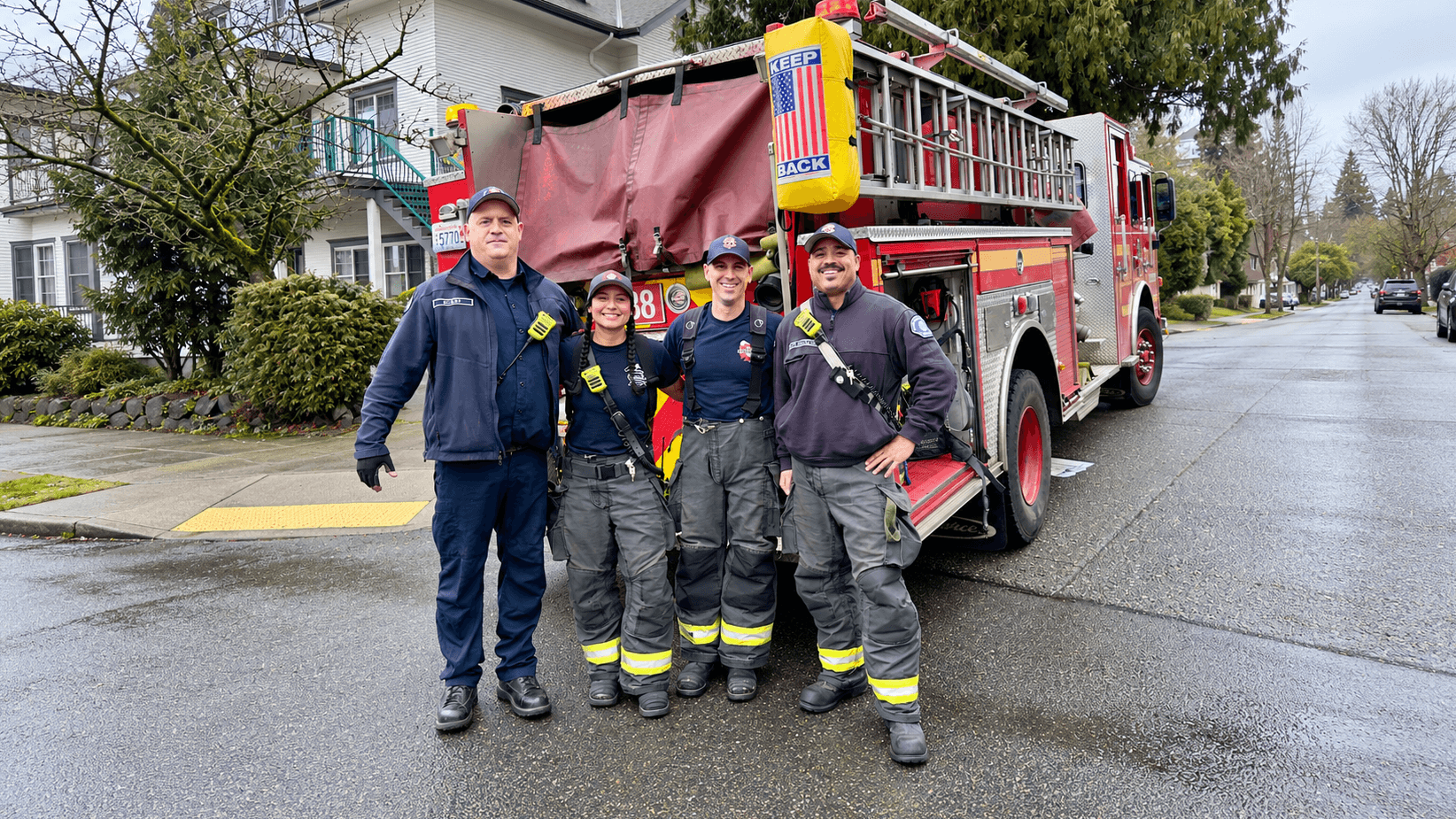

Firefighting is more than just a job, it’s a way of life. The demands extend far beyond the firehouse, encompassing physical fitness exercise, emergency response, strategy and tactics training, administrative duties, and community outreach. Off duty, many firefighters feel the weight of their role even more, as they serve as the rock for family and friends during personal crises. The mental load of these responsibilities can accumulate over time, leading to burnout, emotional fatigue, and even identity struggles.
While the challenges faced by firefighters are undeniably unique, strategies used by professional athletes to manage stress, maintain focus, and build resilience offer valuable lessons. Professional athletes train mentally and physically to sustain high performance throughout their careers, using tools firefighters can adapt to thrive in their demanding roles.
This article examines how mental health strategies from professional sports can support firefighters in balancing their many responsibilities, safeguarding their well-being, and increasing their quality of life to (and through) retirement.
The Role Overload: Firefighters Juggling Multiple Responsibilities
Firefighters wear many hats. On duty, they respond to emergencies, engage in training, complete administrative tasks, and connect with their communities. As they advance in their careers, they may take on leadership roles, mentoring rookies and managing additional responsibilities. From time to time, personnel may find themselves with training or specialty team assignments. This will also add new responsibilities and required training.
Off duty, however, the role of a firefighter doesn’t necessarily end. Friends and family often look to them as pillars of strength during personal crises, adding another layer of responsibility. For those with long shifts, such as the 24-48 or 48-96 shift rotations, the time away from home can strain relationships and make it challenging to disconnect. The “financially necessary” or mandatory overtime compounds with the already mentally draining shift schedule. Upon returning home, the expectation to seamlessly transition back into personal roles can feel overwhelming.
The mental toll of wearing so many hats can lead to burnout, emotional fatigue, and difficulty maintaining work-life balance.
Lessons from Professional Athletes
While acknowledging the stakes are different, clear parallels between the experiences of firefighters and athletes do exist. While athletes do not face life-and-death situations – both groups must perform under intense pressure, meet high expectations, and navigate public scrutiny, all while managing personal lives.
Athletes must juggle demanding training schedules, injuries, high-stakes competitions, and media obligations, often leaving little room for personal time. Similarly, firefighters must maintain peak physical fitness, respond to emergencies, and meet the emotional demands of their roles. Both professions require emotional resilience, mental grit, and the ability to adapt quickly.
By taking a page out of the professional athlete’s playbook, first responders can find ways to apply certain mechanisms to their own challenges. The strategies athletes use to manage stress and maintain focus can be invaluable for firefighters seeking to balance their own demanding responsibilities and strengthen their mental resilience. It is necessary for firefighters to be aware of these strategies but also understand how to apply them towards the unique physiological demands of their profession.
The Mental Health Challenges Firefighters Face
The unique responsibilities of firefighting create a distinct set of mental health challenges:
- Burnout: The long hours, physical demands, and emotional toll of the job can lead to exhaustion and disengagement.
- Work-Life Imbalance: Irregular shifts and constant readiness make it difficult to establish boundaries between work and personal life
- Cumulative Stress and Trauma: Regular exposure to traumatic events without adequate coping mechanisms can lead to emotional strain
- Identity Struggles: Much like athletes grappling with the end of their careers, firefighters may face an identity crisis upon retirement, struggling to redefine their sense of self beyond the job
- Sleep Deprivation: Regular exposure to repetitive sleep disturbances, irregular sleeping patterns, and non-restorative sleep duration/quality. Poor sleep and lack of recovery have negative impacts, such as influencing mood, decision-making, hormones, and immune system
Strategies for Managing Roles and Protecting Mental Health
So how can firefighters combat all of this? While the demands of firefighting are unavoidable, there are practical steps firefighters can take to protect their well-being.
1. Prioritize Time Management and Recovery
Plan for downtime: Use off-duty hours intentionally to rest, spend time with loved ones, or pursue hobbies. Set time aside for self-care and personal development.
Establish routines: Just as athletes balance training and recovery, firefighters can create routines that include physical fitness, mental recovery, and family time.
Sleep quality: Sometimes recovery means getting sleep when you can. Firefighters won’t always get a full eight hours of sleep, but shifting the mindset to “quality” of sleep will help personnel maximize the sleep they do get. Firefighters should look at sleep hygiene principles.
2. Set Boundaries to Prevent Burnout
Protect personal time: Limit extra shifts or off-duty commitments to ensure time for recharging. Limit your “volun-told” decisions, if possible.
Delegate when possible: Lean on peers for support and avoid taking on more than you can handle. When available, share the load of assignments or daily tasks as appropriate. You can even turn the sharing of tasks into learning opportunities for rookies. Just don’t abuse the delegation of tasks.
3. Build a Support Network
Lean on peers: Connect with fellow firefighters who understand the unique pressures of the job. Peer support groups can offer a safe space to share experiences. Many areas have local associations that assist with tangible resources.
Foster meaningful relationships: Build strong connections within the department to cultivate trust and camaraderie. Make a point to lead from the front and be the example that you wish others to follow.
4. Practice Physical and Mental Self-Care
Stay physically fit: Engage in strength and conditioning programs to stay prepared for the job’s physical demands. Physical fitness training should target all components of fitness, as they associate to health or performance outcomes. Physical fitness also helps reduce stress, improve self-esteem, and increases a sense of independence.
Monitor mental health: Use tools like journaling, mindfulness, or regular check-ins with a mental health professional to manage emotional well-being proactively. It is never “too early” to get the help you need. Many times, when we sit and even consider if we need help, it means we already do.
Evaluate relationships: Take the time to reflect on the relationships you currently have. Reflect on what they mean to you, what you have to offer the relationship, how the relationship benefits you, and if the relationship has a positive or negative influence on either member. Relationships are not always about what you receive but that does not mean you have to accept the negative influence that one has on you or your own well-being.
Planning for Life Beyond the Firehouse
Retirement often brings a new set of challenges for firefighters, particularly if their identity has been closely tied to their career. Planning ahead can ease the transition:
Develop new interests early: Explore hobbies, volunteer opportunities, or business ventures while still on the job. Take the time to expand your skillsets and areas of understanding different activities, cultures, systems, and organizations.
Stay connected: Mentor younger firefighters or stay involved in community activities to maintain a sense of purpose. Share learned tactics or strategies that you wish for the next generation of firefighters to experience. Stay in contact with those you have built relationships with throughout your career and check on them periodically.
Thriving Under Pressure Without Sacrificing Well-Being
Firefighters face immense pressure both on and off duty, often playing multiple roles without time to recover. Borrowing strategies from professional athletes, such as prioritizing mental health, setting boundaries, and building support networks, can help firefighters maintain balance and resilience.
Just as athletes recognize that recovery is essential to peak performance, firefighters must prioritize their mental well-being to thrive in their demanding roles. Taking care of yourself isn’t a luxury – it’s a necessity. By safeguarding your mental health, you can better serve your community and fulfill the many roles you take on every day.