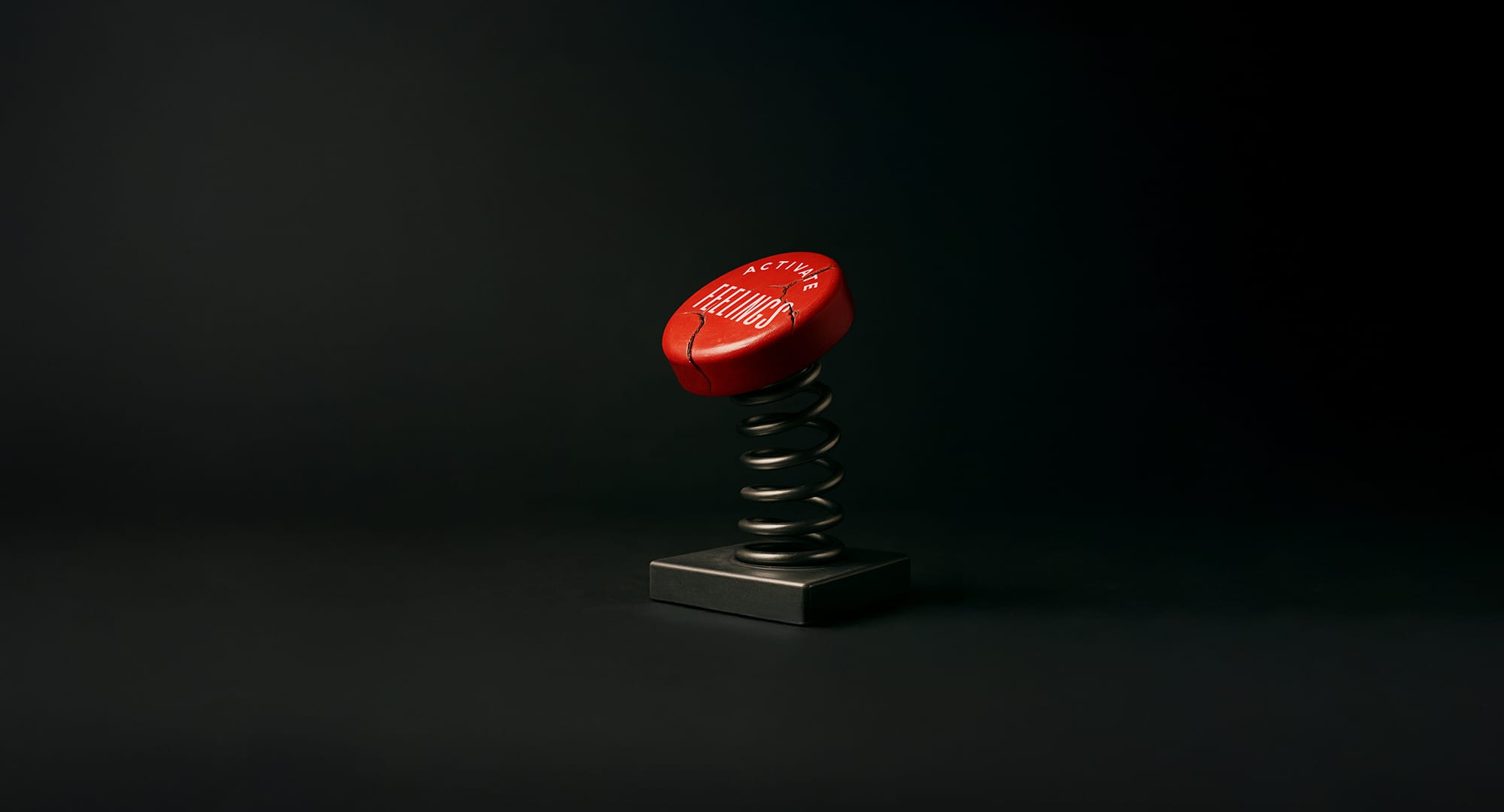


Businesses obsess over brand. They refine messaging, design logos, build image language, and shape public perception because they know the brand becomes the story people believe. But every strong brand eventually has to answer the hardest question in business: does the brand actually match the truth of who they are, or is it just good marketing?
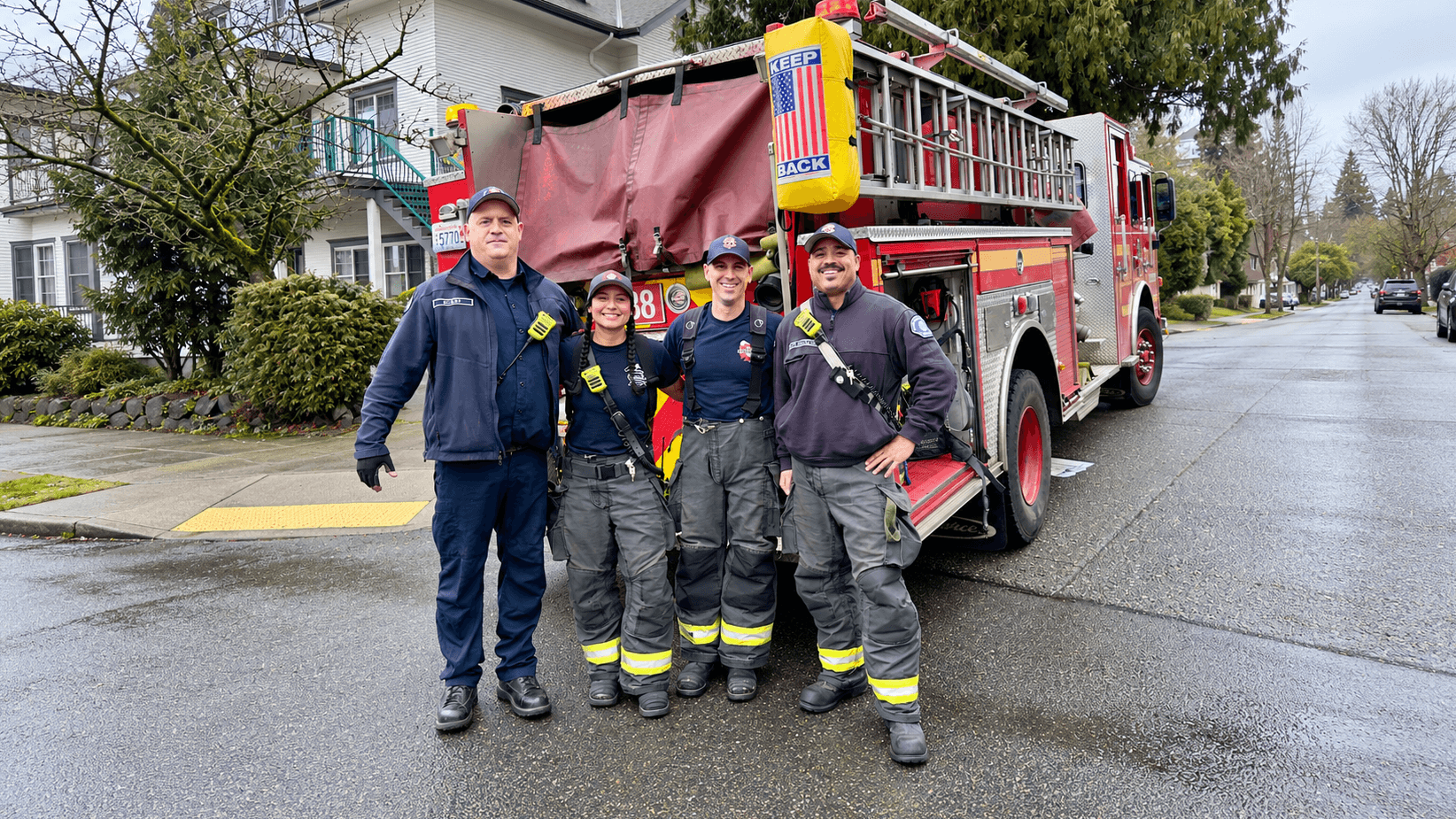
If you take that same thinking and apply it to a firefighter’s identity, the comparison becomes impossible to ignore. Every firefighter carries a personal brand — how the world sees them, how the firehouse sees them, and how they’ve trained themselves to show up. Strong, dependable, unbreakable, capable, fearless, calm, relentless. That brand is powerful. It earns respect. It builds trust. It inspires confidence. But here’s the uncomfortable tension: sometimes the brand of being a firefighter outgrows the person behind it, and life starts to be lived as if you’re protecting a corporate image instead of protecting your actual humanity.
In business, branding becomes dangerous when it stops being an expression of reality and starts being a costume. A company that markets excellence but is crumbling internally eventually loses credibility. A company that sells authenticity but hides dysfunction erodes trust. Firefighters can fall into the same trap personally. They get so good at projecting capability that it becomes expected. They get so accustomed to being “the strong one” that it becomes a permanent identity rather than a part of them. You become known as the one who can handle anything, the one who doesn’t break, the one who keeps going no matter what. That becomes your slogan. Your logo. Your trademark. Eventually, it also becomes your prison.
When the Image Becomes a Cage
In brand management, there is something called image discipline. It’s the relentless effort to keep the public-facing story clean, polished, and strong. Firefighters do a version of that with emotions. The identity brand says: don’t let them see you tired. Don’t let them see you shaken. Don’t let them see you uncertain. Don’t let them see you hurting. Keep the image intact. But every brand expert knows that authenticity beats image over the long game.
People don’t connect deeply with flawless brands; they connect with real ones. Yet countless firefighters continue to operate like a marketing department protecting a myth instead of a human being navigating a demanding, emotionally loaded life.
Businesses also care about brand consistency — how you show up across environments. But humans aren’t meant to be as consistent as corporations. Firefighters often live one version of themselves at work, another version at home, and a quieter version inside their own head. The professional identity might be controlled, confident, and in command. The family identity might be frustrated, withdrawn, or emotionally distant because so much effort goes into holding the brand together elsewhere. The internal identity might be overwhelmed, tired, or questioning. When those versions drift too far apart, tension builds. In business, when a company’s external branding no longer matches internal truth, it creates distrust. In life, when your outer image and inner reality don’t line up, it creates emotional dissonance. You start feeling like you’re acting instead of living.
The Cost of Living as Separate Versions of Yourself
Every strong brand also evolves. Companies rebrand when the story needs to change — when what they were isn’t what they are anymore. Firefighters rarely grant themselves that same evolution. Many are still living under identities they created years ago: the hustler, the always-available one, the bulletproof one, the “never ask for help” one, the hero image everyone expects. Somewhere along the line, life changes, experience changes, capacity changes, and perspective changes … but the brand doesn’t. That’s when the identity becomes outdated. Not because someone lost strength — but because growth happened and the identity didn’t keep pace with it.
Think about how companies position their brand. They define who they serve, why they matter, what they want to stand for, and how they want to show up in the world. Firefighters rarely slow down long enough to ask the same questions about themselves. Who am I outside this uniform? What do I stand for when I’m not in command, not responding, not performing? Who do I want to be as a person, not just a professional? Too many individuals in the fire service only ever experience identity through the lens of the job. That works powerfully for pride, purpose, and belonging — but it is risky when that brand becomes the only one you’re allowed to inhabit.
In business, brand loyalty matters. Customers stick with companies they trust. But loyalty weakens if the brand stops caring, loses integrity, or refuses to be human. In life, your identity brand affects your relationships the same way. If your identity only reflects strength and competence, the people closest to you may stop feeling invited into your inner world. They don’t approach you emotionally. They don’t ask how you are. They assume you’re good. They assume you don’t need support. They assume you don’t need to talk. You become trusted professionally, but distant personally. Admired, but not deeply known. Powerful, but quietly isolated.
When Strength Creates Distance Instead of Connection
There is also the issue of brand pressure. Companies break when they stretch their brand beyond what they can realistically deliver. Firefighters do the same when they pressure themselves to live up to the image instead of living like a human being. The expectation to always be OK, always be strong, always be composed, always be ready can start to feel less like pride and more like weight. At some point, the brand becomes demanding. You don’t get to simply feel things; you have to manage perception. You don’t get to be human; you have to be symbolic. Even when nobody explicitly asks that of you, identity slowly turns into obligation.
Here’s the part that rarely gets talked about: the firefighter brand is powerful. It represents courage, resilience, service, grit, loyalty, and presence under pressure. It deserves respect. It deserves pride. But the strongest brands in the world survive not because they are flawless, but because they are honest, adaptive, human-centered, and real. The most trusted identities embrace their imperfections. They show evolution. They allow vulnerability. They don’t pretend to be invincible. They acknowledge reality and adjust rather than clinging to a story that no longer fits.
Redefining the Brand to Tell the Truth
If your identity was a brand, how would you rate it? Does it still reflect who you truly are, or is it simply the version people expect to see? Does it allow you to be human, or does it demand perfection? Does it invite connection, or does it keep people at a safe emotional distance? Does it empower you, or exhaust you? Does it represent truth, or maintenance?
Maybe identity isn’t about performing strength anymore. Maybe it’s about building a brand that tells the truth: strong but human, capable but real, resilient but not numb, brave but honest about the cost. Because if your brand doesn’t match your reality, eventually something has to give — and it shouldn’t have to be you.