
The gap between your head and your heart is your gut. I have no idea if that exists anatomically, philosophically or after three beers, but as a decision-making system, I think there might be something to it. Some people can spend two weeks deciding whether to buy a truck. They read reviews, watch 17 YouTube videos, build a spreadsheet, compare interest rates, ask six friends and somehow end up knowing the towing capacity of vehicles they aren’t even considering. I can make the same decision somewhere between seeing the truck and opening the driver’s door. House, trip, dog, business opportunity, new project, big idea: yep, let’s go.
That creates an obvious question. Is it decisiveness, experience or just really efficient stupidity? Last week I wrote about ADHD, and there is research connecting it with impulsive choice and a stronger preference for immediate rewards over delayed ones, so I can’t completely dismiss the possibility that some of my decision-making occasionally works like a kid with a Nintendo controller hammering the A button just to get through the dialogue and back to the game. I don’t think that’s the whole story, though.
Psychologists Daniel Kahneman and Gary Klein came at intuition from almost opposite directions. Kahneman spent his career cataloguing the ways our thinking gets fooled. Klein spent his time studying people making hard calls under pressure, and some of his earliest subjects were fireground commanders. In 2009, the two published a paper together that was basically a meeting in the middle: intuition becomes more trustworthy when you’ve spent enough time in an environment with recognizable patterns and received enough honest feedback to learn what those patterns mean. Your gut, in other words, might be more mileage than magic.
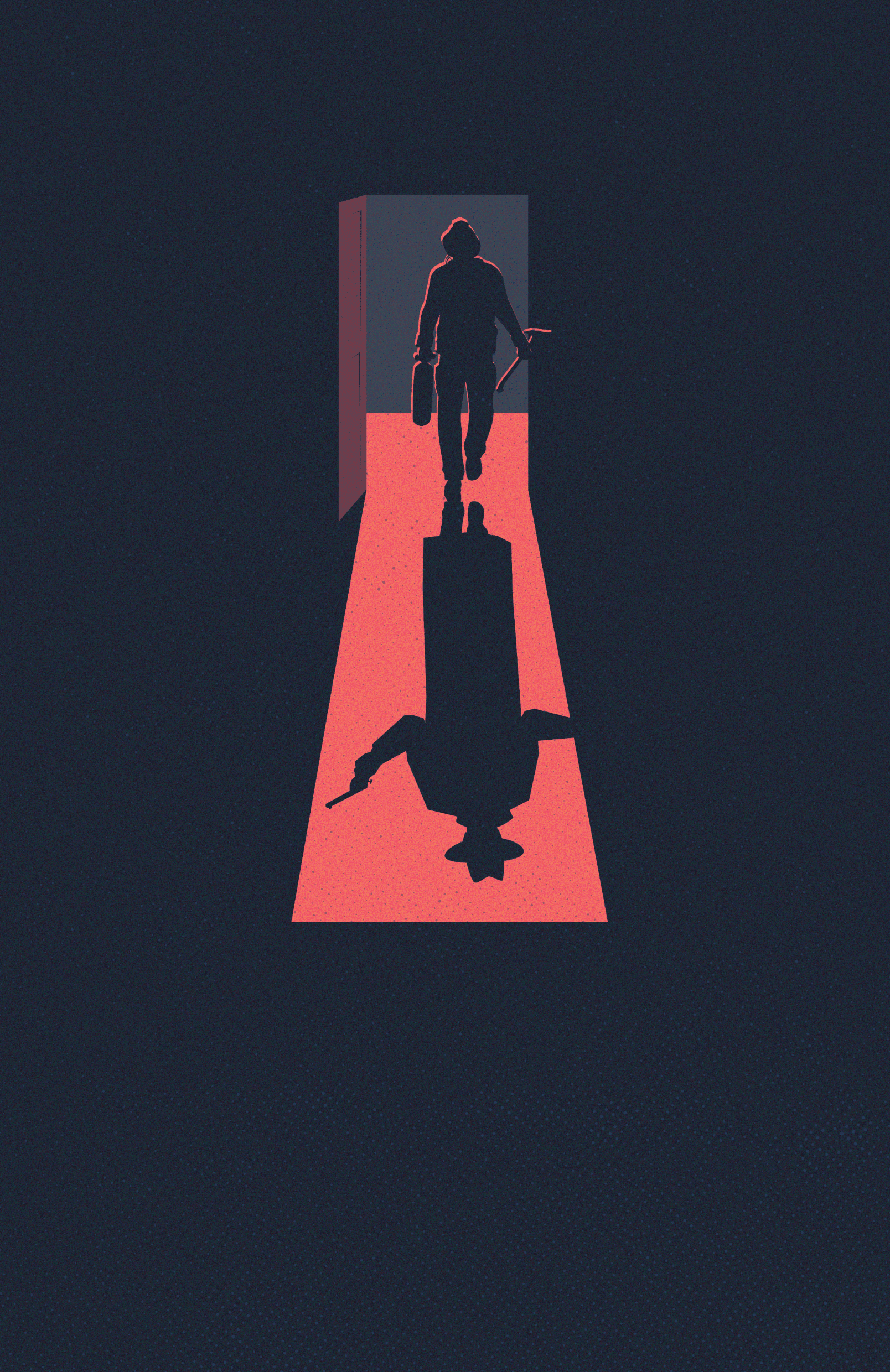
Klein’s best-known example came from a lieutenant who pulled his crew out of a house fire because the heat didn’t match what they were seeing. Shortly after they got out, the floor they’d been standing on collapsed. The seat of the fire was in the basement. The lieutenant credited a sixth sense, while Klein called it pattern recognition: the scene didn’t fit what the lieutenant’s experience told him to expect, and he registered that before he could explain it.
When Experience Speaks Before Logic
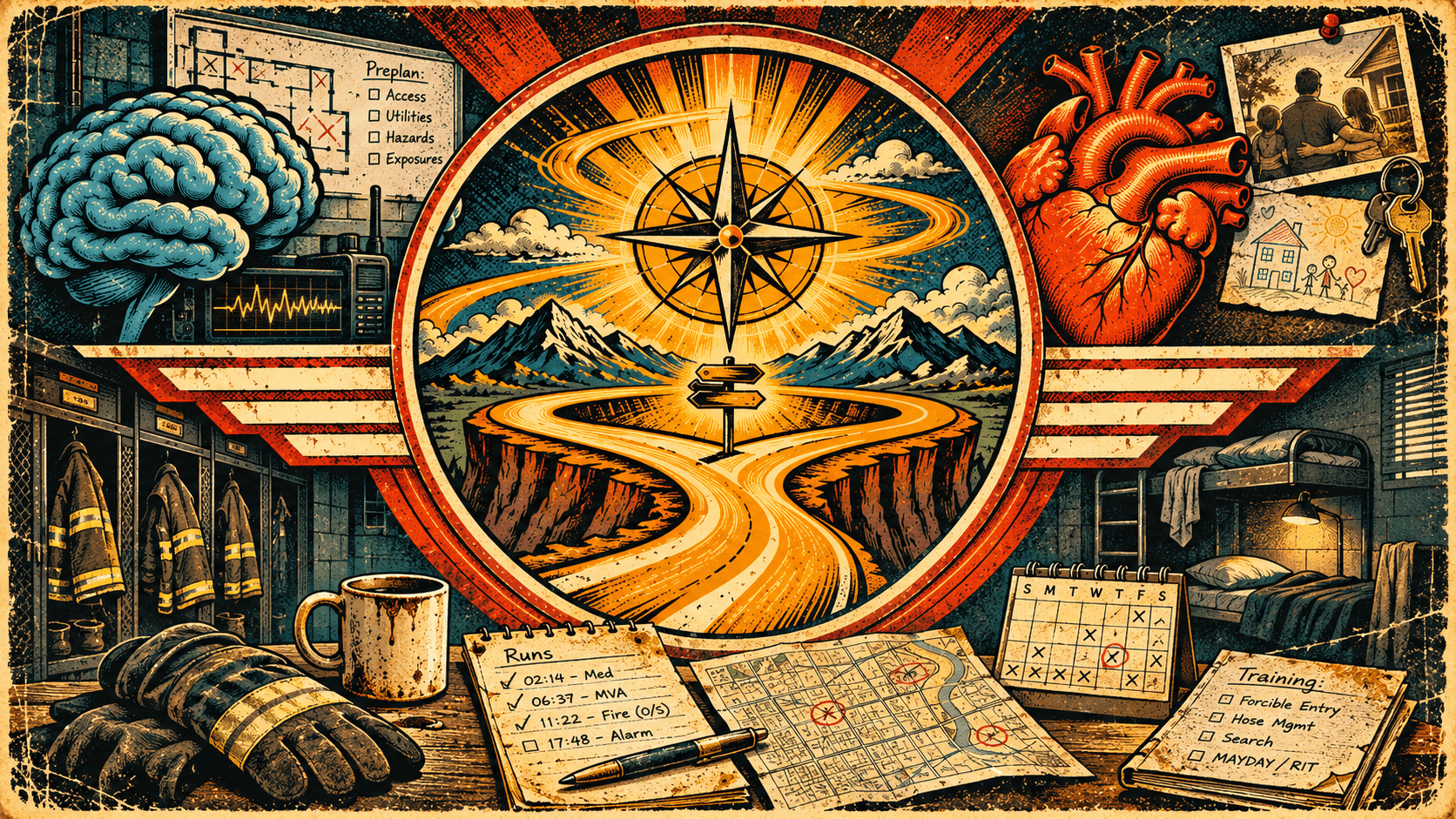
That changes the way I think about all of this. Your head calculates whether you can afford it, execute it, survive it or fix it if you’re wrong. Your heart supplies the reason, whether this moves your life toward something you actually give a shit about. Your gut might be where experience gets a vote before you’ve finished explaining yourself.
The problem is that fear, ego, excitement and impulse all know how to impersonate intuition. Paul Slovic’s research on what’s called the affect heuristic shows that feelings shape how we judge risk and benefit, often incredibly fast. When we like an idea, its benefits look bigger and its risks look smaller, so “I have a good feeling about this” can tell you as much about your mood as it does about the decision. Think about the difference between a good cover band and a shitty one. The good band has played the song so many times they can feel the key change coming and take liberties without losing the room. The shitty band plays the wrong song with exactly the same confidence, and from the stage, both feel identical.
This is the part worth paying attention to, because all of us make rash decisions, and most of us only recognize them in the rearview mirror. Understanding how the con works changes the game. You can’t con a con man, and once you start spotting the bullshit your own brain manufactures, whether it’s the rush of a shiny new idea or fear dressed up as caution, it gets a lot harder to sell it to yourself. That’s also what makes this fun to explore with each other. Ask the guy who just bought the boat whether that was his gut or his ego, and be ready to answer the same question about your own truck.
Philip Tetlock, a Toronto-born psychologist, spent two decades tracking expert predictions and found that confidence and accuracy have a shaky relationship. The forecasters who performed best kept score, checked their calls against what actually happened and adjusted.
The Cost of Thinking Too Long
So before worrying about how fast to decide, figure out what you’re actually deciding. Can I recover if I’m wrong? Can I afford the downside? Have I seen something like this before? Am I recognizing a pattern or chasing a feeling? Does this fit where I’m trying to go? If those answers check out, I doubt another seven days of thinking automatically makes the decision better. Waiting has its own price tag. We talk endlessly about the consequences of the wrong decision and far less about the consequences of no decision, like the opportunity that goes to someone else or the idea that felt electric on Monday and got discussed into a coma by Friday. Sometimes two weeks of deliberating is careful thinking, and sometimes it’s fear wearing reading glasses.
Maybe that’s why people who take on enormous things can move so quickly. They trust their ability to deal with whatever happens after they choose. I think that’s part of my own equation. I don’t need to know exactly how everything is going to work before I begin. I need enough information to know the downside won’t kill me, enough experience to recognize what I’m looking at, enough heart to know why it matters and enough confidence that if I’m wrong, I’ll adjust. Somewhere between recklessness and certainty is the willingness to make the call and deal with what comes next.
That’s a cost none of those questions catch. The job rewards us for sizing things up and committing fast, and a lot of us bring that same speed through the front door without thinking twice. The truck gets bought or the trip gets booked before the people who have to live with it even hear about it. Some of that is the gratification of finally pulling the trigger, and some of it is plain habit, but either way it creates friction and distance with the people we’re doing it all for. Making a decision that big on your own is like trying to pull a ceiling with salad tongs. You’re working hard and technically doing the job, but you’re getting a fraction of what you need while everyone around you wonders why you didn’t grab the right tool. Small changes make a big difference in how we move between work and home, and bringing your family into the decision is one of them. So before worrying about how fast to decide, figure out what you’re actually deciding.
Your Gut Doesn't Make the Decision Alone
The truth is, your gut is your past trying to talk to your future, and it’s only worth listening to if you’ve kept an honest score along the way. The big decisions in our lives don’t come with proof of how they’ll turn out. They force us to decide whether that instinct has earned a vote or whether we’re just mistaking impulse for intuition. If your instincts have never been wrong, you probably haven’t been counting.