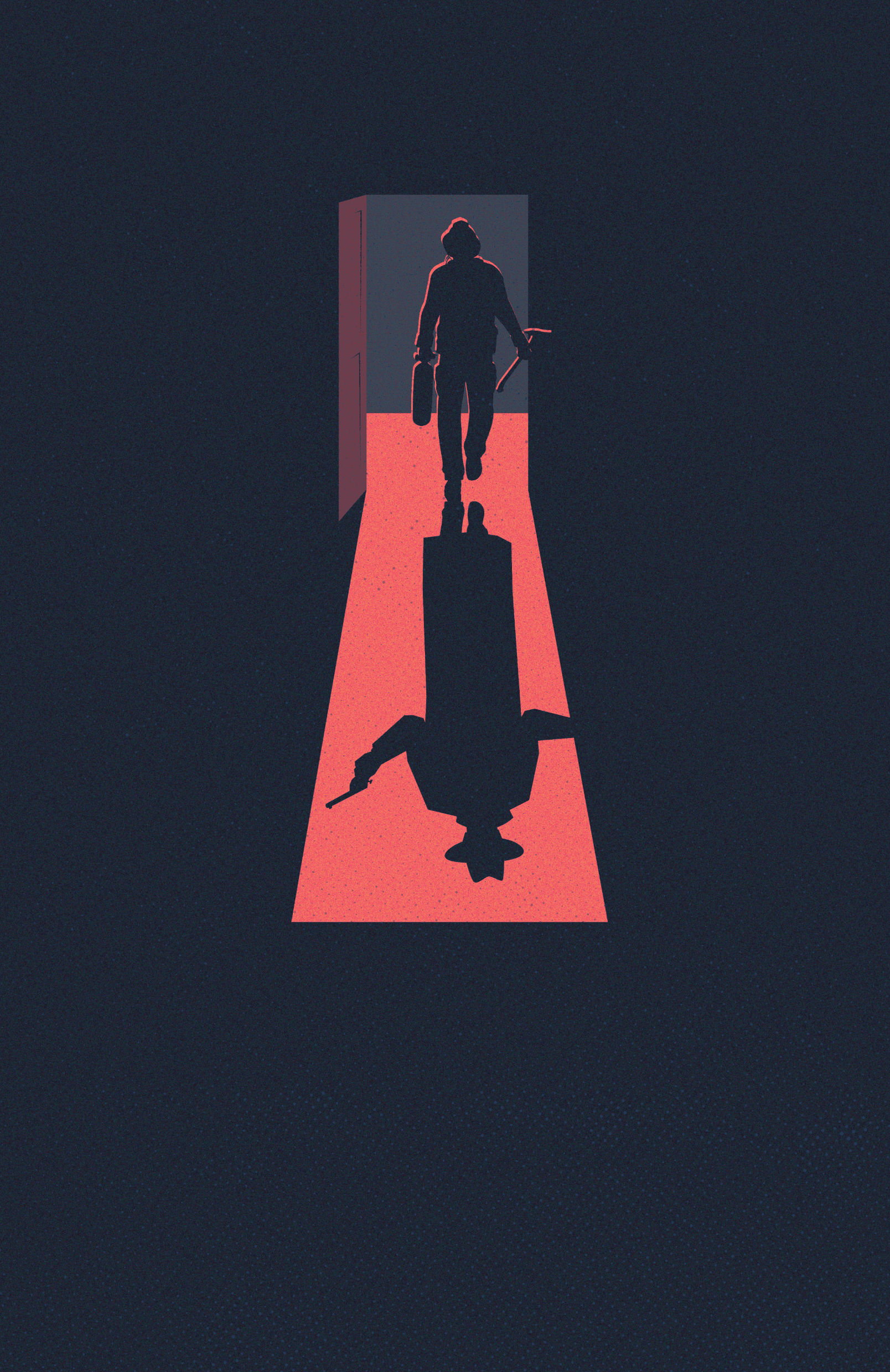
There are villains and then there are VILLAINS. There are the comic book, movie villains who seem to cause more damage to concrete and glass than anything else. All that smashing and bashing is probably good for construction contractors, but plays havoc with the insurance industry. They make their mark with brute strength and cheesy one-liners. Frankly, they’re just not that interesting.
Then there are real world villains who alter our lives forever. It is because of them that we are called to restore order in the aftermath of their chaos. They succeed with some planning and heavy doses of luck and guile; they hit too close to home.
Or how about archetypical villains? These are the ones who combine intelligence, cunning, daring, sense of purpose, single-focused commitment, physical strength, mental quickness and sharp reflexes. They’re complicated, emotionally detached but tethered to emotional trauma. These villains are in it for the long haul. They are the subjects of great literature. They are mythical. They are the ones we secretly root for.
Think of the Depression-era bank robbers Bonnie and Clyde. Think Sherlock Holmes’ arch nemesis Professor Moriarty. Think Iago to Othello. Think Satan from Paradise Lost.
They captivate us. What is it about forbidden fruit and our human tendency to desire it – despite the consequences?
They are us.
Wait. What? We’re the heroes, not the villains.
Are we though? Are we heroic enough to match up with the most villainous?
Go to the mirror, now, go. Take a Sharpie and draw on that goatee — the internationally known sign of the evil twin. Stare into the vacuum of his/your eyes, if you dare. What do you see? What makes your evil twin so damned evil? Can you really have the hero without the villain?
Studying a villain can shine a flashlight through the rain on their ominous behavior. The old adage “it takes one to know one” rings true. Is it the confidence and power they exude, their enigmatic personalities or their rebellious natures that captivate us?
As one notorious fictional mob villain phrased it: “Keep your friends close and your enemies closer.”
Are the villains so bad because they closely mirror the heroes, or are the heroes so good because they mirror the villains?
Being called a hero undoubtedly results in the same visceral reaction for every first responder: complete denial and, sometimes even disgust. “A hero? Not a chance. This is just my job.” (Fun fact: saying such a selfless thing only makes you more of a hero in most people’s eyes.)
The truth is, you have to possess more than a few villainous traits to be a hero. But before you go searching the dark web for a membership to the villain’s club, let’s look at that.
If you examine the fabric that makes up a hero, you’ll notice several honorable traits. They’re selfless, giving, kind, helpful, supportive and encouraging. Those are all admirable traits, but no hero will say that’s what makes them heroes.
Villains demonstrate a boldness in the face of difficult, uncertain and risky situations. This choosing action over fear can inspire firefighters to confront their own fears and push their limits, ultimately contributing to personal and professional growth. By bravely facing challenges head-on, they build resilience and confidence, qualities essential for meeting the demands of their heroic duties.
Villains are also incredibly resourceful, often turning everyday items into tools to further their schemes. This adaptability allows them to overcome obstacles in creative ways. Firefighters often must think outside the SOG box, using available resources in innovative ways during emergencies. This mindset encourages problem-solving and can lead to quicker, more effective responses. Just MacGyver it.
Still trying to convince yourself that you don’t need to know the villain before you can be a hero?
True villains are exceptional strategists, always several steps ahead of their adversaries. They analyze their environments, anticipate outcomes and adjust their tactics accordingly. Firefighters do this on every call — assess, anticipate, adapt,
Even a villain's tenacity is commendable: they continue to pursue their goals despite setbacks. Firefighters can adopt this persistence when faced with obstacles, ensuring they remain committed to their mission.
With this never-give-up attitude, they can tackle the most villainous challenges head-on and foster a culture of resilience within their teams.
So the next time you encounter a villain in your favorite story or in the mirror (no, that Sharpie goatee isn’t coming off anytime soon), consider the valuable lessons they might inadvertently offer: turning their darkness into a beacon of inspiration for those dedicated to serving and protecting their communities.
After all, every villain had a hero at one point.