“Keep Fighting” is an exclusive CRACKYL content series from the National Fallen Firefighters Foundation (NFFF) aimed at educating the fire service through first-hand accounts
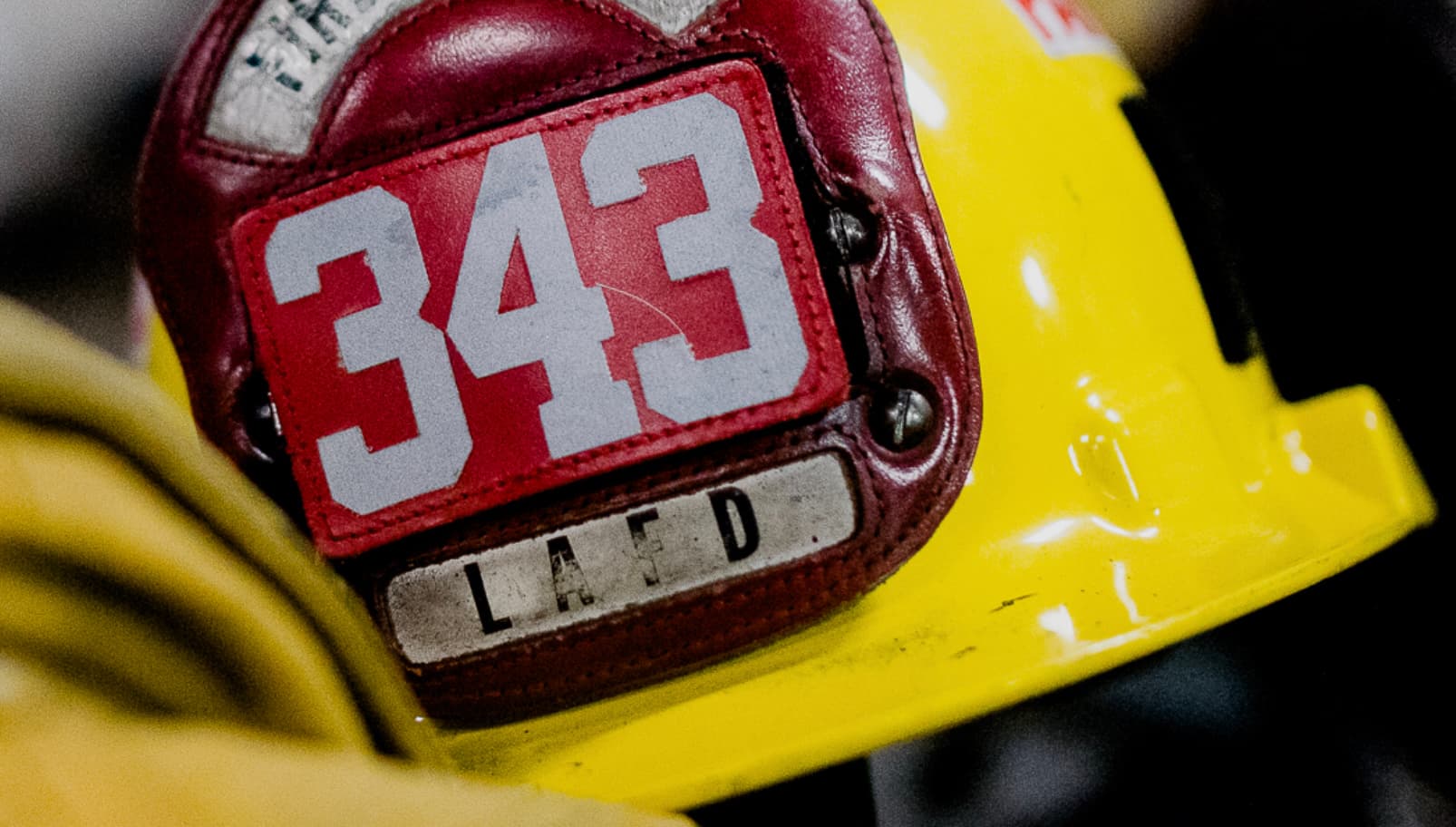
Nearly 25 years ago, 343 New York City Fire Department members lost their lives by doing their jobs.
Facing an unimaginable assignment during the Sept. 11, 2001, attacks on the city, the FDNY’s first responders started ascending the World Trade Center’s 110 flights of stairs, as far as they could, until the wreckage high above Manhattan made the rest of the climb impossible. With civilians’ lives on the line, these heroes rushed into the towers, rescued survivors, and ultimately, faced dire consequences for their selfless bravery.
The sacrifices they made — for the city, their firehouses, and for the lives of strangers — should never be forgotten, nor should the flights they climbed during the most horrific terrorist attack on U.S. soil. Every step demanded courage. Every one emblematic of the risk our nation’s fire service faces every day.
We’re still climbing. Every year, we in the fire service — and our neighbors in the communities we serve — need a way to fulfill our promise: We can never forget those lost due to 9/11. We are duty-bound to honor both the 343 FDNY firefighters lost on that fateful September morning, and the hundreds from across the nation who have succumbed to post-9/11 illnesses since.
That was the motivation behind two Colorado-based 9/11 memorial stair climbs, which sparked a nationwide movement to honor the 343.
Training Exercise Turned Tribute
Oren Bersagel-Briese has been a member of the fire service for 32 years. Currently Deputy Chief of Operations for Colorado’s Castle Rock Fire and Rescue Department, he was a part of what became the first 9/11 Memorial Stair Climb in 2005 — even if it wasn’t an official event at the time.
“We didn’t sit down beforehand and try to start a memorial stair climb,” he says. “But it’s probably one of the things that allowed for it to evolve into what it turned into.”
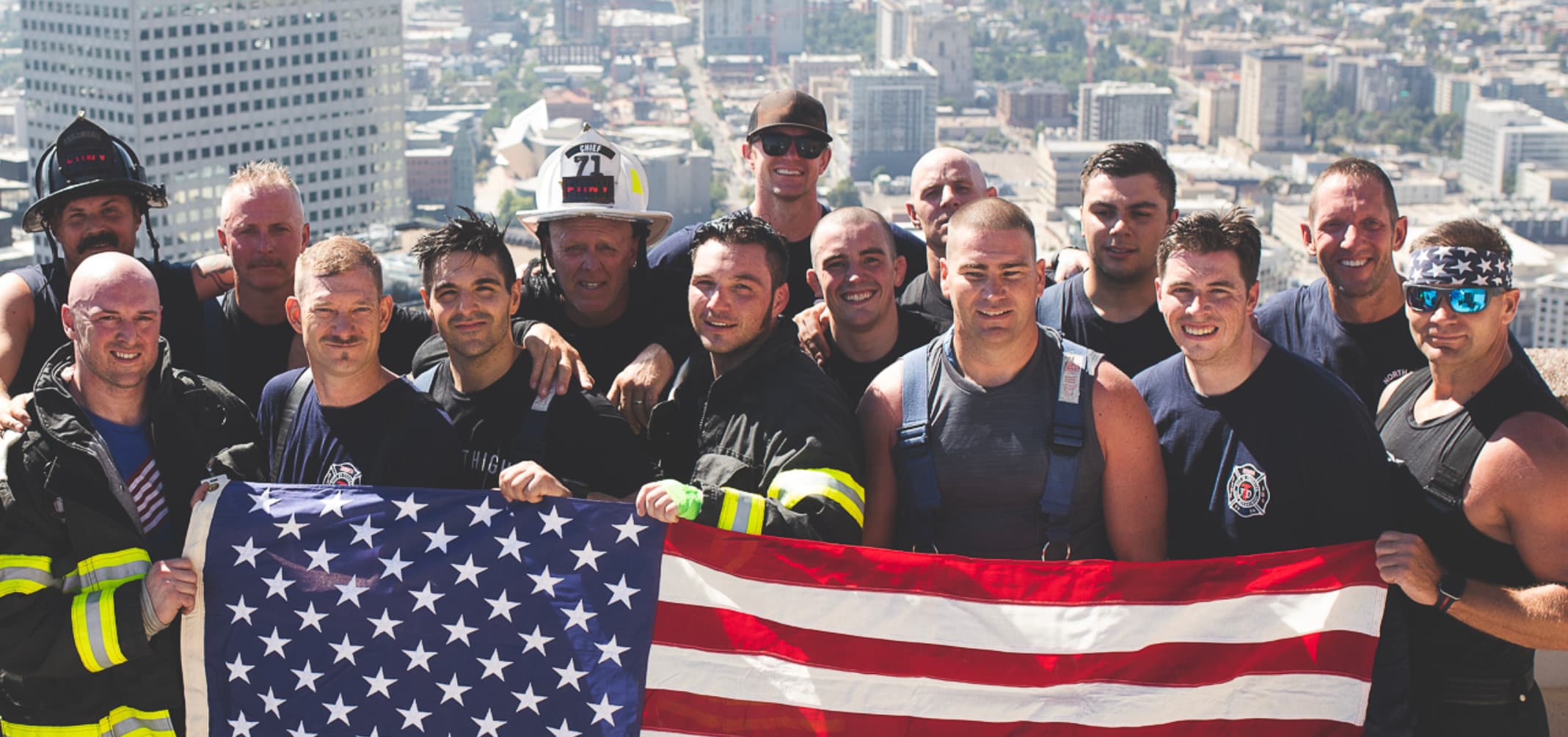
Bersagel-Briese and a handful of his fellow Colorado firefighters had already been doing monthly training climbs up and down a nearby 33-story building at 1999 Broadway in Denver. As they approached September 2005, they elected to schedule their monthly climb on Sept. 11. Instead of ascending the building’s stairs once or twice, the five attendees of the day’s exercise decided to do 110 flights to finish the climb of the fallen firefighters of the FDNY.
It was a spur-of-the-moment decision, but to Bersagel-Briese, it felt appropriate.
“It was different than any of the other days we had done it,” he says. “At that moment, we didn’t envision what it would all turn into. But we definitely knew that there was something there to express out of this idea of needing or wanting to do something as people — and as firefighters.”
The following years saw a few significant changes in the annual remembrance. First, participants increased from five (2005) to 12 (2006) to 150 (2007), until numbers were officially capped at 343 — to symbolize those firefighters lost on 9/11 — in 2008. They also moved the climb to Denver’s 55-story 1801 California St. building (formerly known as the Transamerica Building), which would allow for a standard two trips up and down by a larger group of firefighters from across Colorado, neighboring states, and beyond.
Despite these changes for the better, the increased interest in the climb created two issues. For starters, where could other fire service members go if they didn’t make the 343 cut? And where could a supportive public join a climb to honor our 9/11 firefighters?
Climbing With the Community
Shawn Duncan was near the start of his 21-year career with West Metro Fire Rescue when he completed his first 9/11 Memorial Climb with Bersagel-Briese and Co. in 2008.
When he organized a group of about 30 firefighters to climb again in 2009, the event roster was already at its 343 capacity. With Duncan and his group still eager to properly memorialize the day, they had to come up with another way to climb — and another venue that could accommodate their aspirations.
Thankfully, they didn’t have to look far.
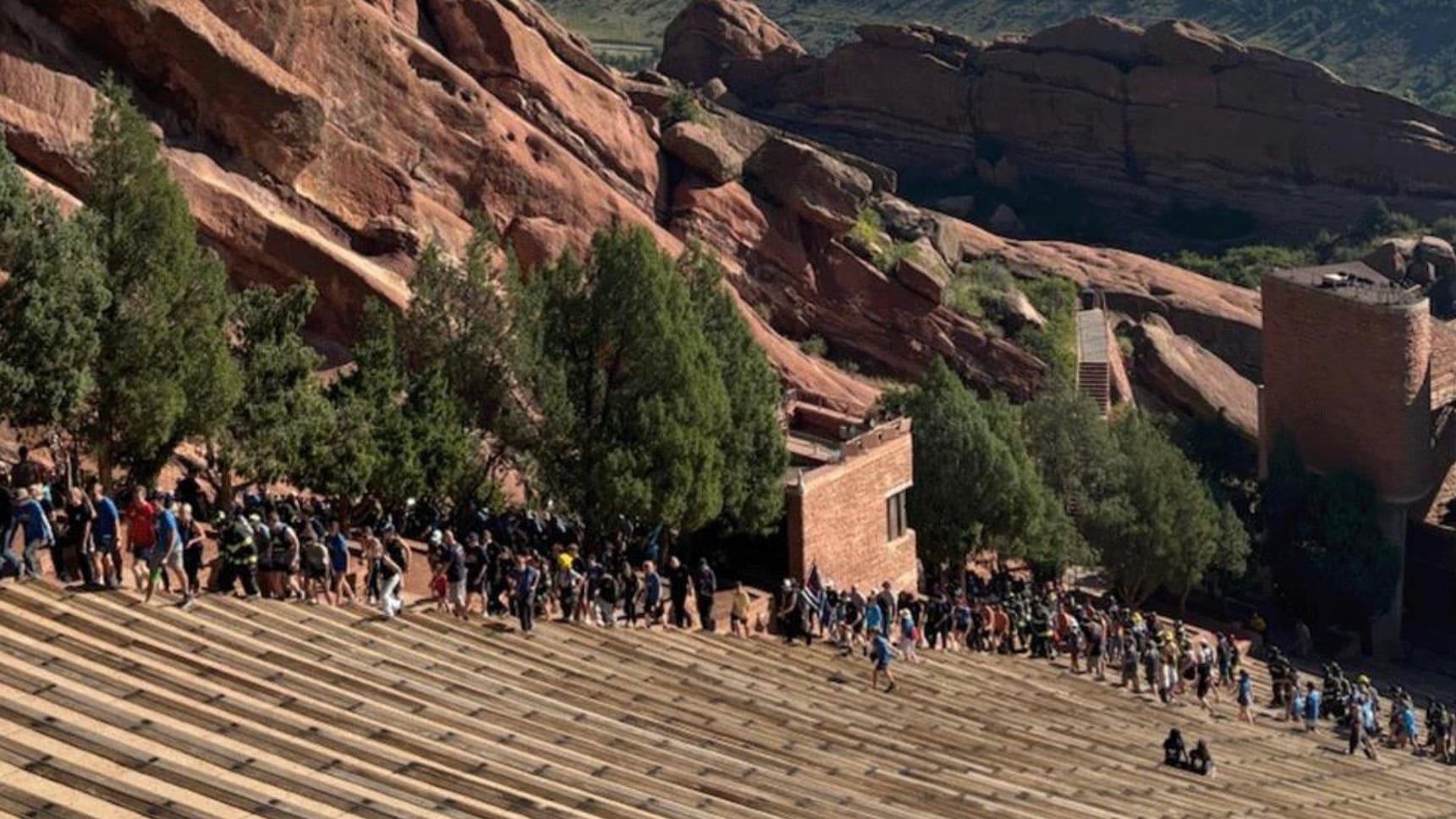
“We had all of these people ready to go, so we decided to just climb Red Rocks Amphitheatre,” says Duncan. “It’s in our backyard, and it’s a beautiful venue.”
Duncan then started to get requests from those outside the fire service. Neighbors. Teachers. Flight attendants. They all wanted to climb as a way to pay respects to those who’d sacrificed for others. The original concept was more of a fraternal tribute, with firefighters climbing for firefighters. This idea — a community of fire service members and those they serve, climbing as one — was something different.
“The fire service as a whole can be very exclusive at times. We’re a very tight-knit community,” says Duncan. “We take care of our own very well, and we don’t often think about those outside of the people directly affected by fires. So (this widespread interest) wasn’t initially on our radar.”
Once the collective interest became apparent, Duncan and his team of organizers widened the invitation. They opened registration to the fire service and the general public. For their first edition in 2009, they welcomed 400 climbers.
More than 15 years later, the Colorado 9/11 Memorial Stair Climb now typically welcomes around 3,500 to 4,000 participants every year, each one there to scale the steps of one of the most iconic music and nature venues in the world — and to pay tribute to the bravery of those lost due to 9/11.
“When we started getting these requests (to climb), we realized the attacks of Sept. 11 affected so many people from so many jobs and industries and walks of life. It wasn’t just the firefighters and the 343 families,” he says. “The tragedies impacted so many people from different career fields and their families, and it really made us take a look at what this event can mean to the community. That’s why we decided to open it up, open up our arms, and let everybody climb with us side by side together to create that remembrance.”
Respect and Reflect—With Every Step
Once the Denver and Red Rocks climbs became official coordinated events, each found sponsorship from the National Fallen Firefighters Foundation (NFFF), which helped the climbs expand their reach and grow into two of the most significant 9/11 stair climbs in the U.S. The Colorado climbs eventually influenced the creation of dozens of like-minded events across the country.
This summer and fall, more than 115 climbs will take place coast to coast, in cities like Baltimore, Md.; Papillion, Neb.; and Fresno, Calif., all to benefit the FDNY Counseling Service Unit, providing critical mental health and peer support services for firefighters and their families. These events also help the NFFF continue its mission to honor fallen firefighters, support Fire Hero Families, and work to reduce preventable line-of-duty deaths and injuries.
And this year, anyone can step up, no matter where they are. We’re inviting America to climb the equivalent of one flight of stairs, record a selfie video for social media, and challenge three others to keep the #ForThe343 movement growing.
No matter how anyone participates, each climb is another step in making sure no one forgets the impact and aftermath of that clear September morning.
“September 11th was a transcendent moment for our profession,” says Bersagel-Briese. “I think it’s important for people to remember. But for people who were born after or joined the fire service after, it’s not necessarily remembering, it’s learning about and then carrying on the stories of that day, like the unequivocal and unquestioned response that the FDNY had to the event that saved tens of thousands of lives. That’s a story that is worth retelling.”
Stair climbs are a way to honor these stories and assure they live forever, all in a workman-like way that harkens to the men and women who made the ultimate sacrifice.
Remember: These started as simple training exercises for those on the job.
More than two decades later, they’ve grown into so much more.
“It’s not about a grandiose experience,” says Bersagel-Briese. “It’s about putting one foot in front of another, climbing stairs, and remembering.”
*To join the #ForThe343 movement or one of the many 9/11 Memorial Stair Climbs across the U.S., visit ForThe343.org. *