
Suicide prevention in the fire service must move beyond red flags to recognize the physiological and situational conditions that can turn accumulated stress into sudden, life-threatening risk
Imagine a firefighter gets into a terrible argument with their partner. Emotions escalate. Their nervous system goes into overdrive. In one explosive moment, they shove their partner.
They’ve crossed a serious line. There may be an arrest, criminal charges, department consequences and damage to the relationship that cannot simply be undone.
But here is the question I want you to consider.
In most cases like this involving otherwise non-violent firefighters, do you imagine that person woke up that morning intending to assault their partner? Did they spend the afternoon contemplating whether to shove them? Did they develop a plan and gradually move toward carrying it out?
Usually, no.
When the Nervous System Takes Over
There are certainly people who use violence and control deliberately and repeatedly in relationships. That is a different pattern and should never be minimized.
But after many years working with the protector and defender community, I have seen another pattern many times. Someone who strongly identifies as a protector crosses a line in an explosive moment and is horrified by what they’ve done.
The act was not premeditated. It emerged from a nervous system that was already running too hot, combined with the wrong circumstances at exactly the wrong time.
This distinction doesn’t excuse the behavior, but it does help us understand it.
And that brings me to suicide risk.
The Problem With the Staircase Model
Much of the way we assess suicide risk is built around a progression that assumes people know they are becoming suicidal.
Consider the basic architecture of the Columbia Suicide Severity Rating Scale, or C-SSRS, one of the most widely used suicide assessment tools. It moves through increasingly serious forms of suicidal thinking, from wishing to be dead, to thoughts of suicide, to considering a method, to developing intent and a plan.
That progression certainly describes some suicidal people.
But what if this approach actually misses most of the people who ultimately attempt suicide?
What if suicide risk in firefighters and other protectors often develops less like a staircase and more like a flashover?
Through two decades of work with protectors and defenders, I’ve come to believe that much of the most dangerous risk in this population sits in a blind spot.
A firefighter can be carrying an enormous physiological threat load without thinking, “I am becoming suicidal.”
Then comes the perfect storm.
When the Perfect Storm Hits
A brutal critical incident. An investigation or disciplinary action experienced as betrayal by command. A marriage suddenly coming apart. Sleep deteriorates. Alcohol increases. Shame enters the picture. Identity takes a hit.
Each factor alone may be survivable.
Together, they can radically change someone’s state of mind in a very short period of time.
This matters because almost every suicide prevention training tells us to recognize the signs, watch for the red flags, notice changes in behavior, and listen for suicidal statements.
But firefighters are professionally trained to compartmentalize. They can function while carrying tremendous internal pressure. They may be showing up for shifts, answering calls, cracking jokes and doing their jobs while their nervous system is moving into increasingly dangerous territory.
We cannot keep giving peers responsibility for developing psychological X-ray vision.
Teaching Firefighters to Read Themselves
This is where my approach to suicide prevention is fundamentally different.
When I work with departments and peer teams, I teach people to recognize the precursors to dangerous states, including factors that rarely appear on standard suicide-prevention checklists.
More importantly, I teach first responders how to read themselves:
- What happens to me when my nervous system has been running hot for too long?
- What combination of losses makes me particularly vulnerable?
- What happens when I feel betrayed, humiliated, trapped or disconnected from my tribe?
- How does my thinking change when I stop sleeping?
- What are my personal indicators that I am entering a state where I should not trust every thought my brain produces?
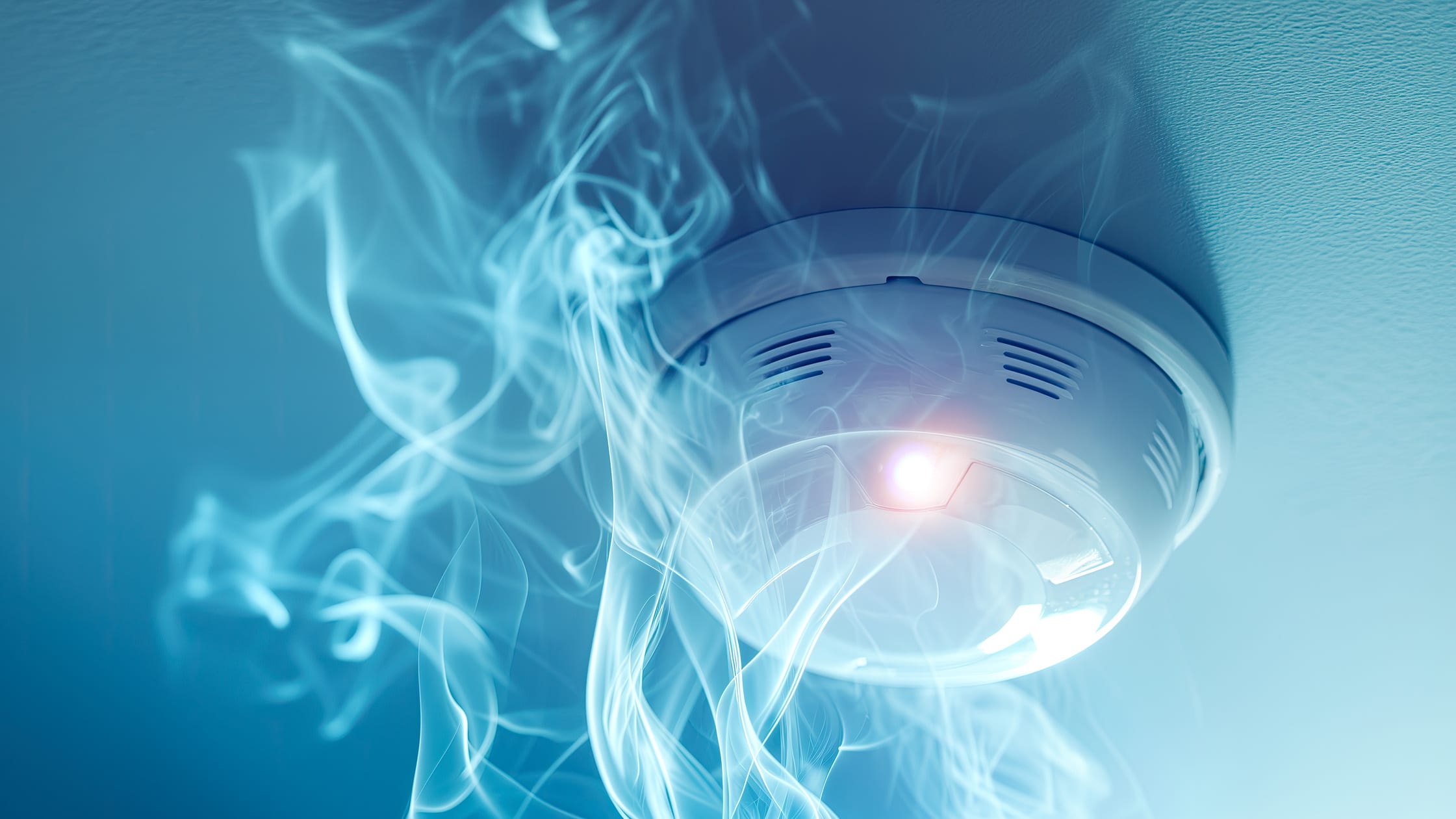
A trusted peer may notice the smoke long before anyone sees the fire. We should absolutely teach peers what that smoke means.
But the firefighter standing inside the building has access to information nobody else has.
That is why the future of suicide prevention in the fire service cannot simply be more training on recognition of “red flags” and other approaches that miss many of the people we risk.
This is the work I bring into departments and peer teams. New frameworks for seeing risk earlier, understanding what conventional suicide training misses, and helping firefighters learn to read their own smoke before anyone else can see the fire.
Shauna ‘Doc’ Springer, PhD is a pioneering psychologist, award-winning Military Times podcast host, and one of the world’s leading experts on psychological trauma, moral injury, suicide prevention, close relationships and the unique needs of the military and first responder communities. Doc Springer provides highly specialized consultation and confidential advising to organizations and public safety agencies that support protectors and defenders through her company THIN LINE ADVISORY.