Loading…

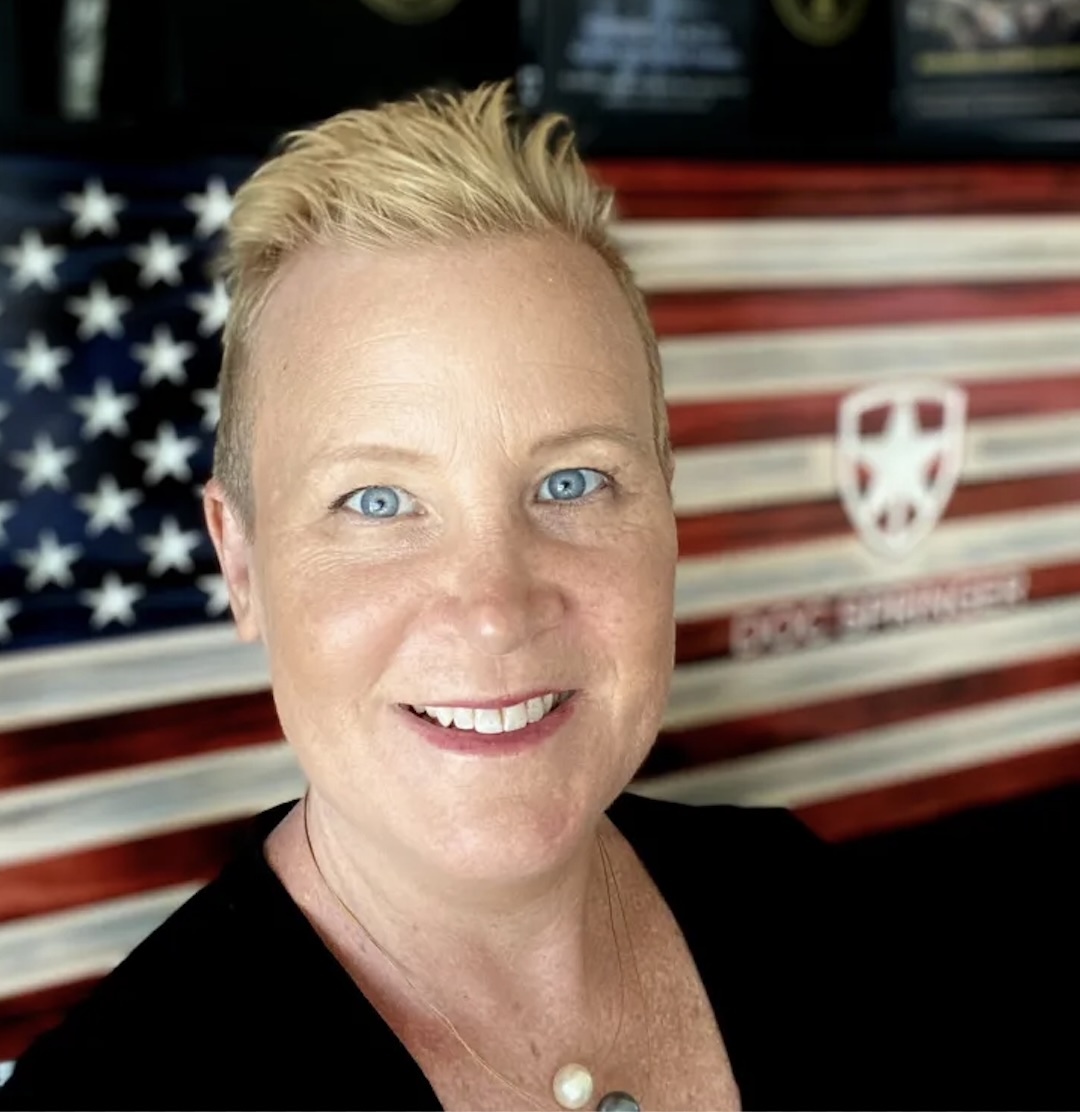
Shauna ‘Doc’ Springer, PhD, is a licensed psychologist, three-time best-selling author, frequently requested keynote speaker, award-winning podcast host, and one of the world's leading experts on psychological trauma, military transition, suicide prevention, and close relationships. A Harvard graduate who has become a trusted Doc to our nation’s military warfighters and first responders, she navigates diverse cultures with exceptional agility. Doc Springer is the author of CRACKYL Magazine’s Mental Edge Mondays, a new column series built for one purpose: to give firefighters direct, usable psychological insights that hold up under operational pressure. In this column, she may expand on themes from Kory Pearn’s Friday Truth, introduce new lines of thinking, or write an “Ask Doc Springer” response to a reader question that carries weight for the broader CRACKYL audience. Doc Springer provides highly specialized expert advising and consultation to public safety leaders, peer-led wellness teams, organizations, and treatment programs like Fortitude Recovery that support protectors and defenders through her company, THIN LINE ADVISORY (thinlineadvisory.com). Through this unique relationship of trust and confidence she becomes a force multiplier for high capacity, heart-driven leaders, helping them walk the minefield of challenges associated with leading public safety agencies and teams. In addition, Doc Springer serves in multiple leadership roles that have shaped—and continue to shape—how we understand performance, trauma recovery, and mental wellness in high-risk professions, bringing sharp insight into mental warfare, building elasticity, and strengthening close, healthy relationships. As the Senior Advisor and Clinical Supervisor for the Veteran Mentor Project (theVMPI.org), a newly funded initiative, she provides clinical oversight, strategic guidance, and specialized training to peer mentors, delivering practical, high-impact insights that strengthen their ability to support veterans and first responders through transition and reintegration. As the Senior Psychological Advisor for Stella Mental Health (stellamentalhealth.com), Dr. Springer has helped advance a groundbreaking approach to addressing psychological trauma that integrates biological and psychological therapies. Stella Mental Health operates a national network of clinics in the United States, with additional clinics in Australia and Israel, providing innovative biological treatments for post-traumatic stress, anxiety, depression and other mental health challenges. Doc is also the lead psychological advisor for MAGNUS | ONE (MagnusOne.com), an innovative technology-forward performance eco-system that supports first responders. With the team at MAGNUS | ONE, Doc is helping the wellness conversation away from outdated models towards those aligned with peak performance. Doc’s work is shaped by her unique upbringing, her deep respect for those who serve and protect, and her remarkable insight into human nature. She emphasizes the power of trust and authentic connection as the foundation for transformative growth and the realization of one’s full potential.

Firefighter wellness may be missing the mark when it treats mental health support as a resource for those who are struggling, rather than an essential part of operational performance, leadership and everyday firehouse culture

Understanding the limits of trust can help us build stronger support systems and navigate grief with greater honesty, discernment, and care
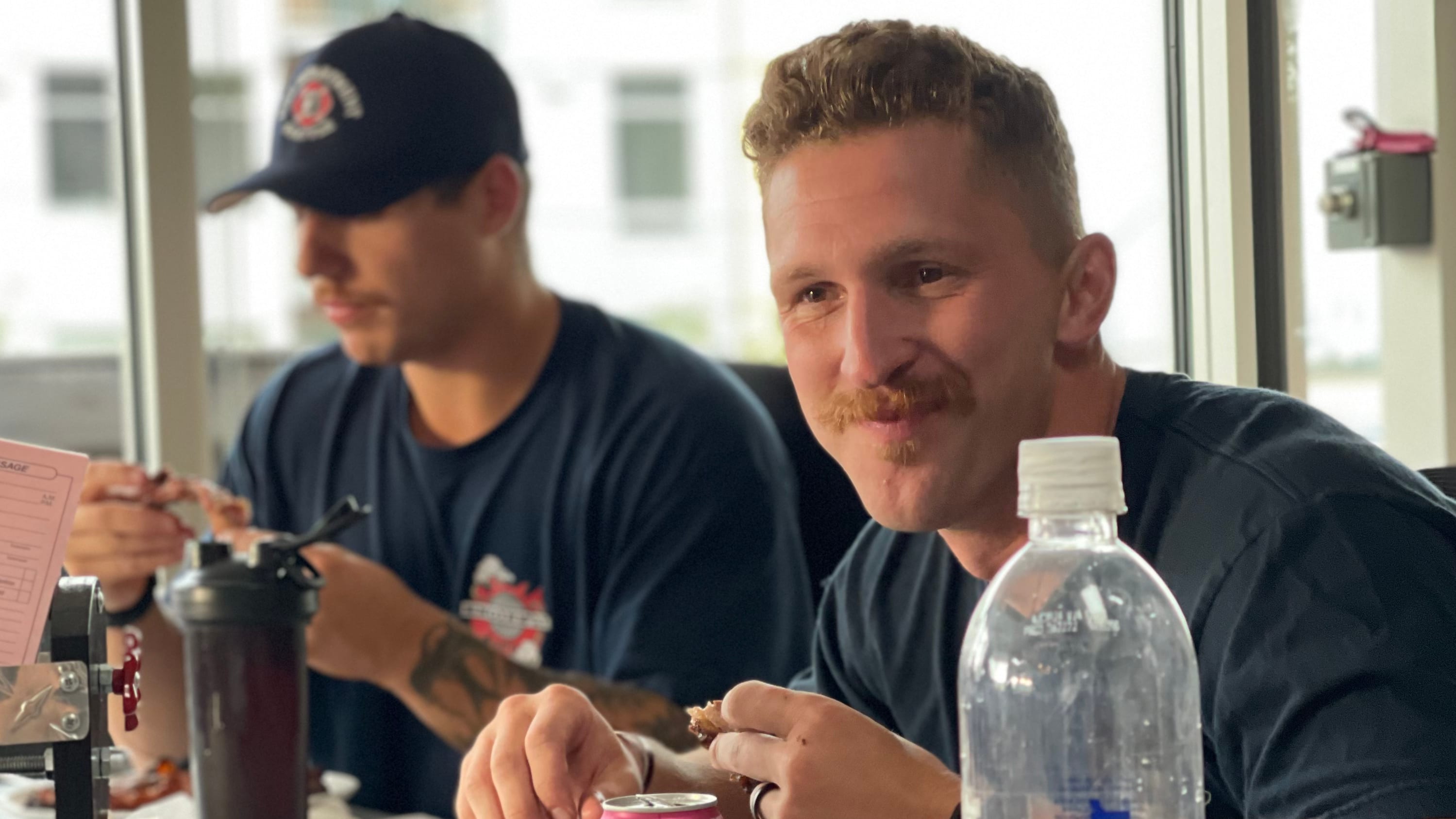
Workplaces shape the first responders who inhabit them, influencing how they see themselves, their communities, and the world around them

In first-responder culture, trust can make a dangerous substance look safe

A relationship can lose balance if one partner’s experience becomes the focus and the other’s needs are overshadowed

The fire service was built to read smoke. As more of its calls become human crises, the women joining its ranks may be well placed to help it read people.
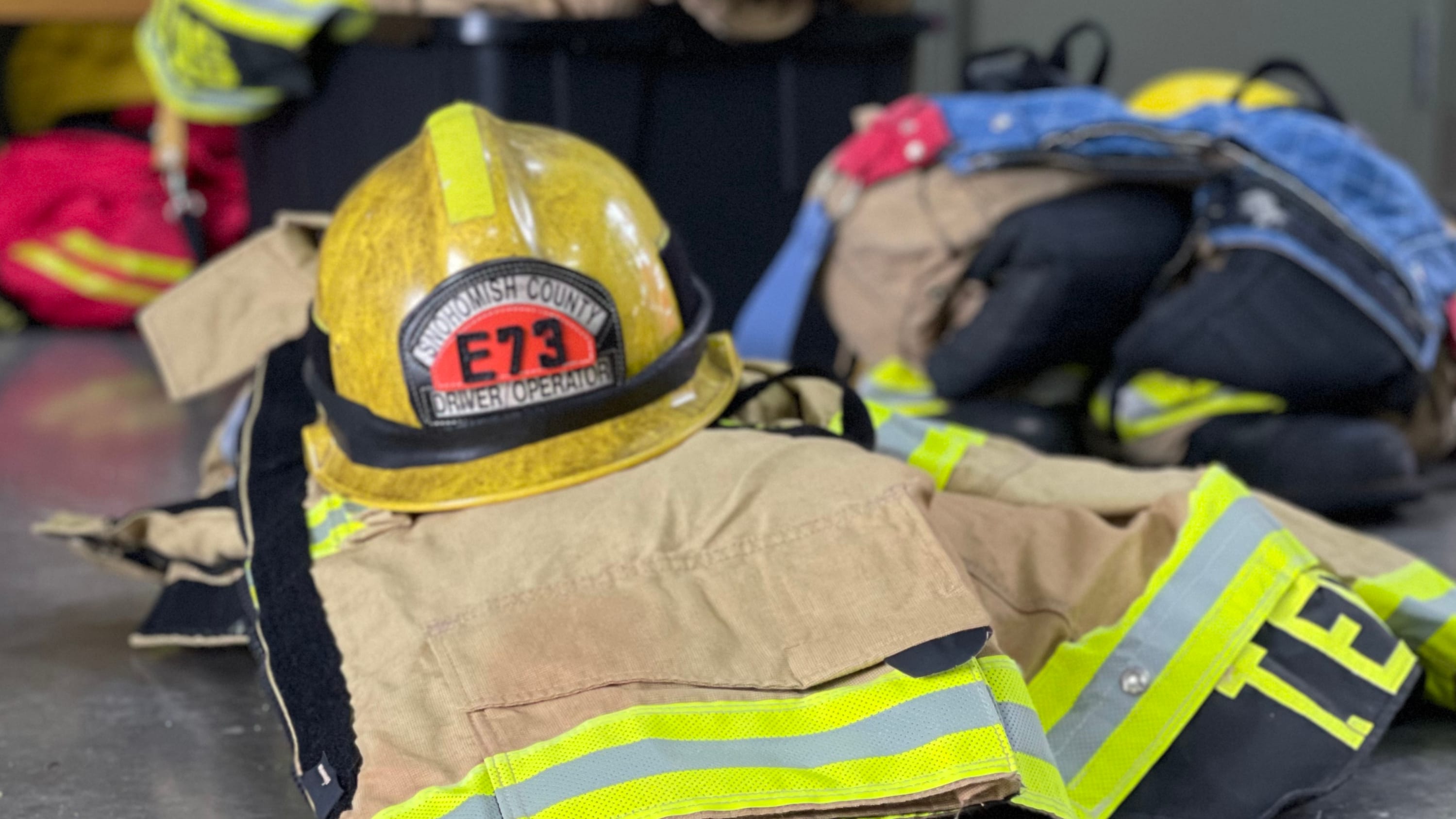
Fire departments have more wellness resources than ever. The next challenge is connecting peer support, clinicians, EAPs and leadership into one coordinated system

The Heroism and Resiliency of 9/11 captures something deeper than individual bravery: the force that gathers people into a collective response when human survival is at stake

Chiefs need time to think, but they also need trusted people who can help them see what they might otherwise miss

Those reactions are real, and they deserve respect — but acknowledging that something may have an impact is different from assuming the person hearing it is breakable.

The fire service spends heavily to protect its equipment, yet we treat the psychological expertise that protects its people as an optional expense.
A firefighter can be carrying an enormous physiological threat load without thinking, “I am becoming suicidal.”
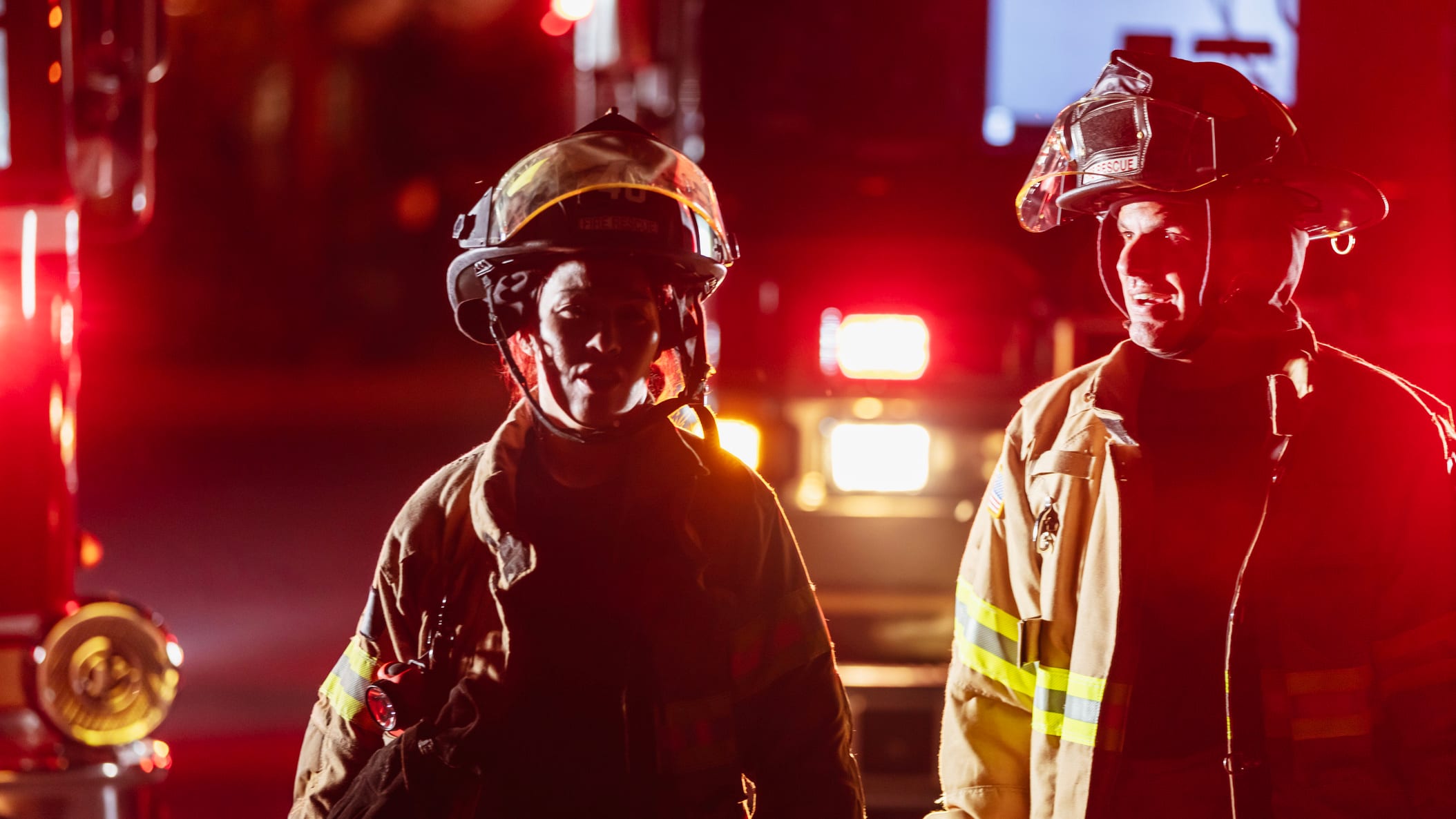
The strongest mental health support systems aren’t built in the middle of a crisis; they’re built through trusted relationships long before the first punch ever lands.
Your brain is built to suppress emotion in a crisis, but staying healthy means knowing when, and where, to unpack what you've been carrying
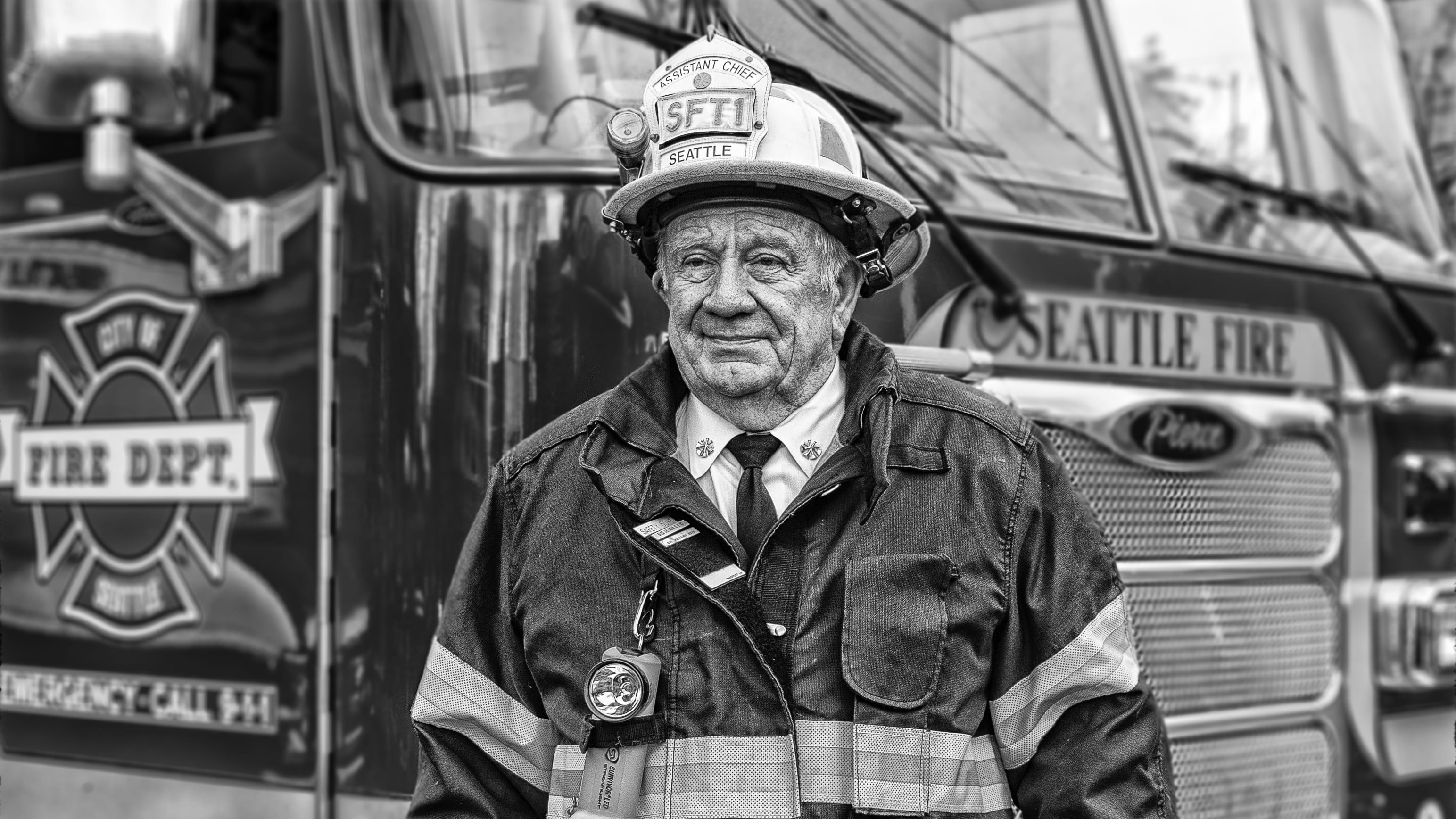
Staying relevant isn't something the world gives us. It isn't reserved for people who are younger or better with technology or lucky enough to still be working.

When betrayal turns your anger inward, the ultimate act of defiance is choosing to live and redirecting that fire.

Your need for quiet after a demanding shift is a normal nervous system transition, and explaining it can strengthen your relationships.

Moving beyond ‘cultural competence’ and outdated approaches to firefighter wellness.

Vacation discomfort is your high‑alert firefighter wiring slamming into stillness and needing a smarter, gentler way to downshift.
Why saving strangers can feel easier than staying connected at home.
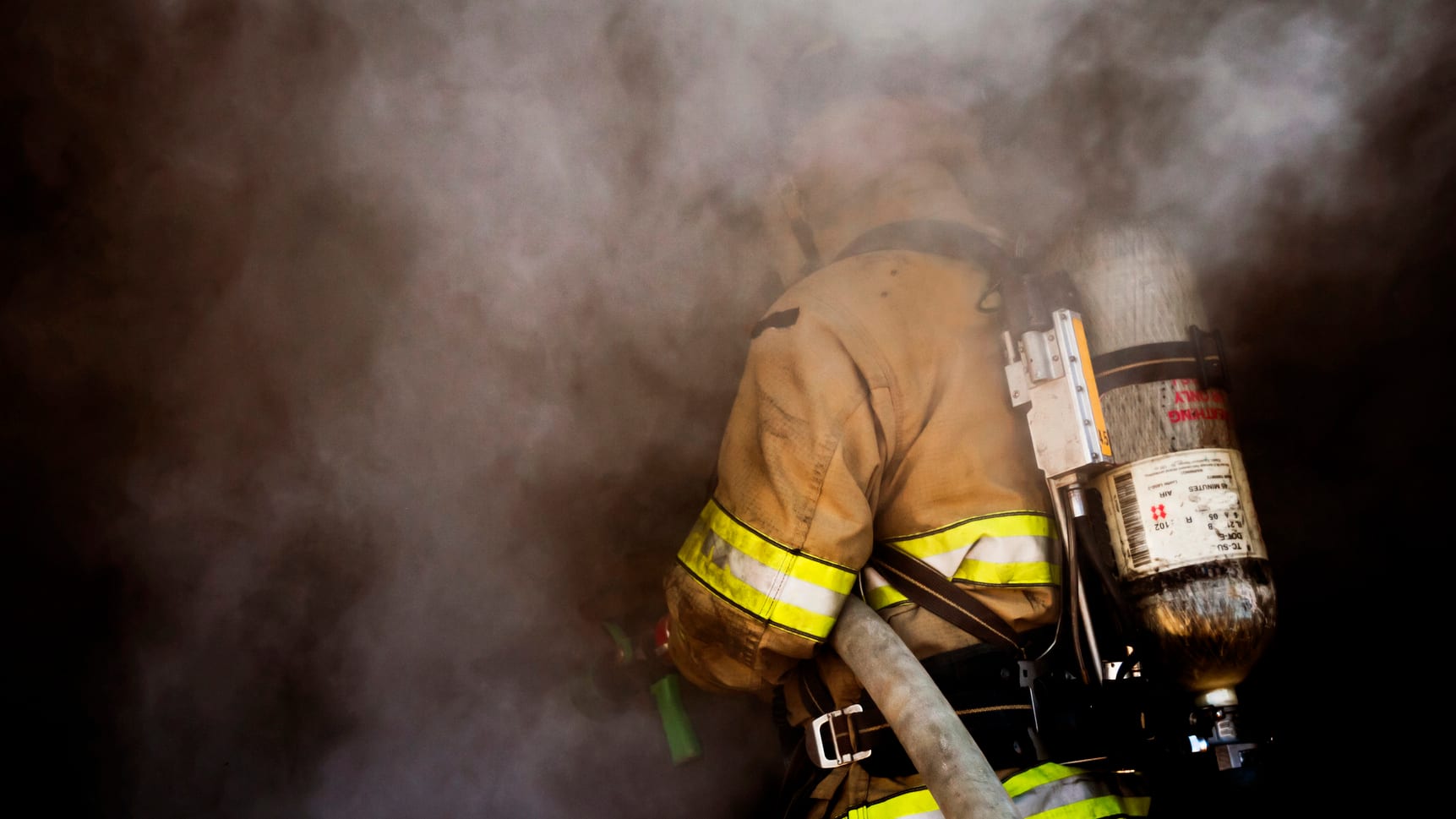
Trauma doesn’t get to run up the score forever.

The inner game of retirement and injury places you on the edge of a chemical cliff no one warns you about.

A translation for the fire service.

What feels like ‘not shutting off’ is often your brain protecting you, not a sign you’re broken.
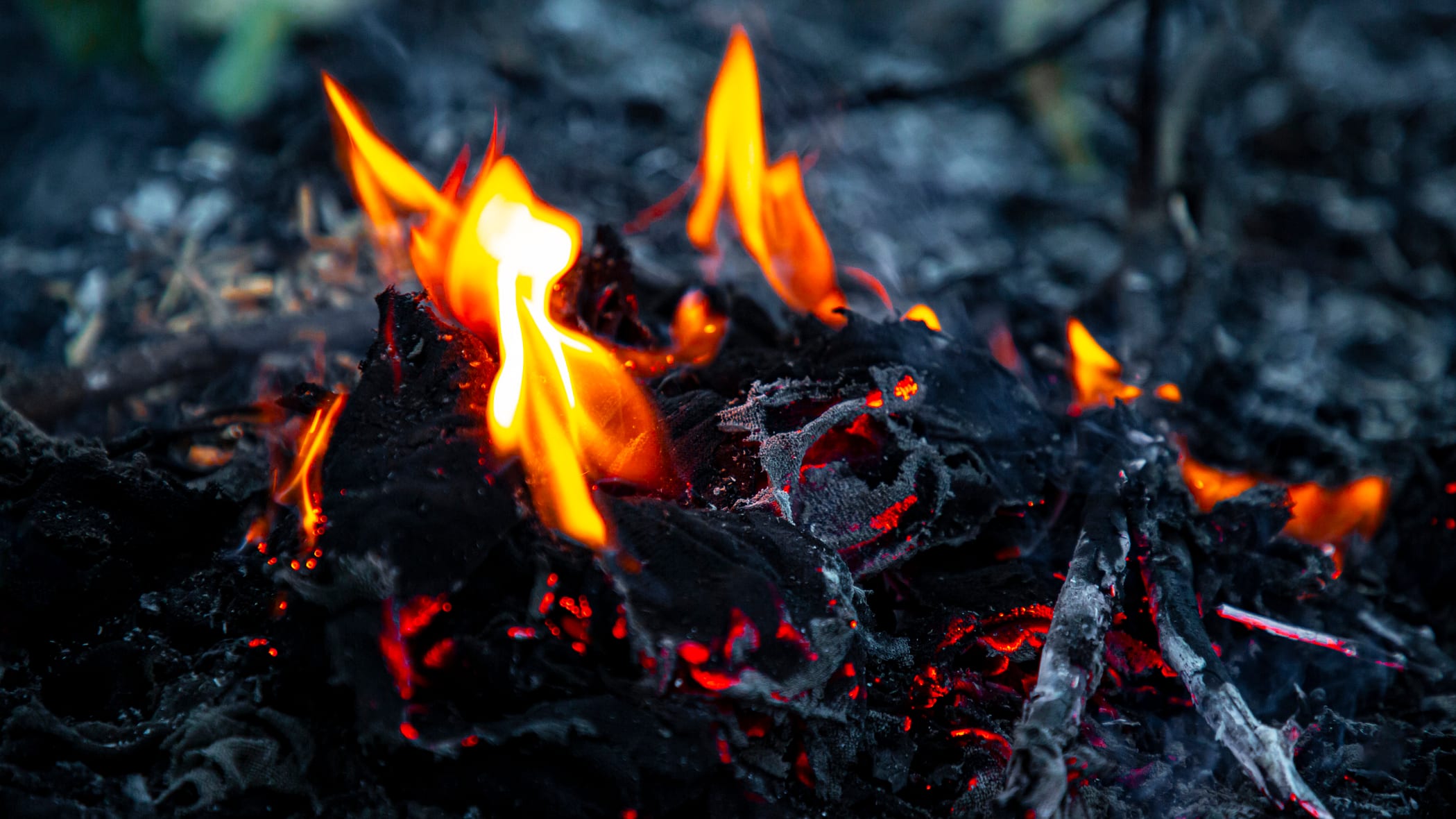
This is how firefighters say, ‘I’m burned out.’
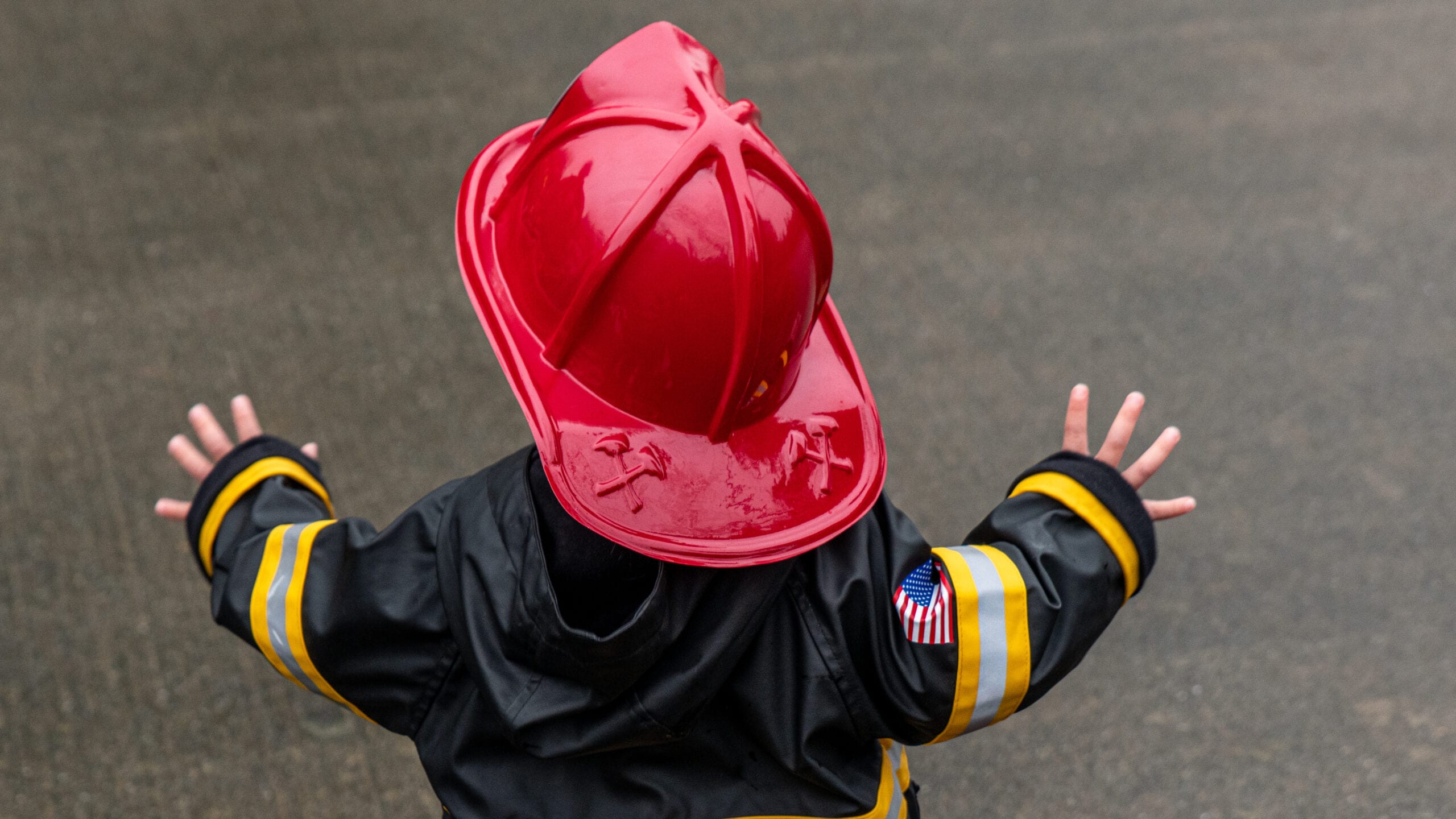
Firefighters draw strength from the legacy they inherit, not just the calling they feel.

Firefighters need a performance model grounded in flexibility under pressure, not just resilience.

Why intrusive, frightening thoughts often reflect exhaustion, exposure, and fear — not a wish to die.

The risk reveals itself through subtle behavioral shifts that conventional screening tools are not designed to see