
A police officer said something to me recently that has stayed with me.
It wasn’t a dramatic statement. It wasn’t even the point of our conversation. Almost as an aside, he remarked he would never bring his own child to the police department, but he would absolutely bring them to the fire station where he now works.
That simple comment opened a much larger line of thinking for me about what I would call a profession’s “home base” — the place where people return between calls, where they recover, and where the culture of the profession takes shape.
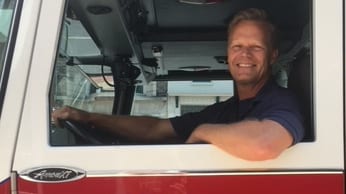
Consider the atmosphere of a fire station.
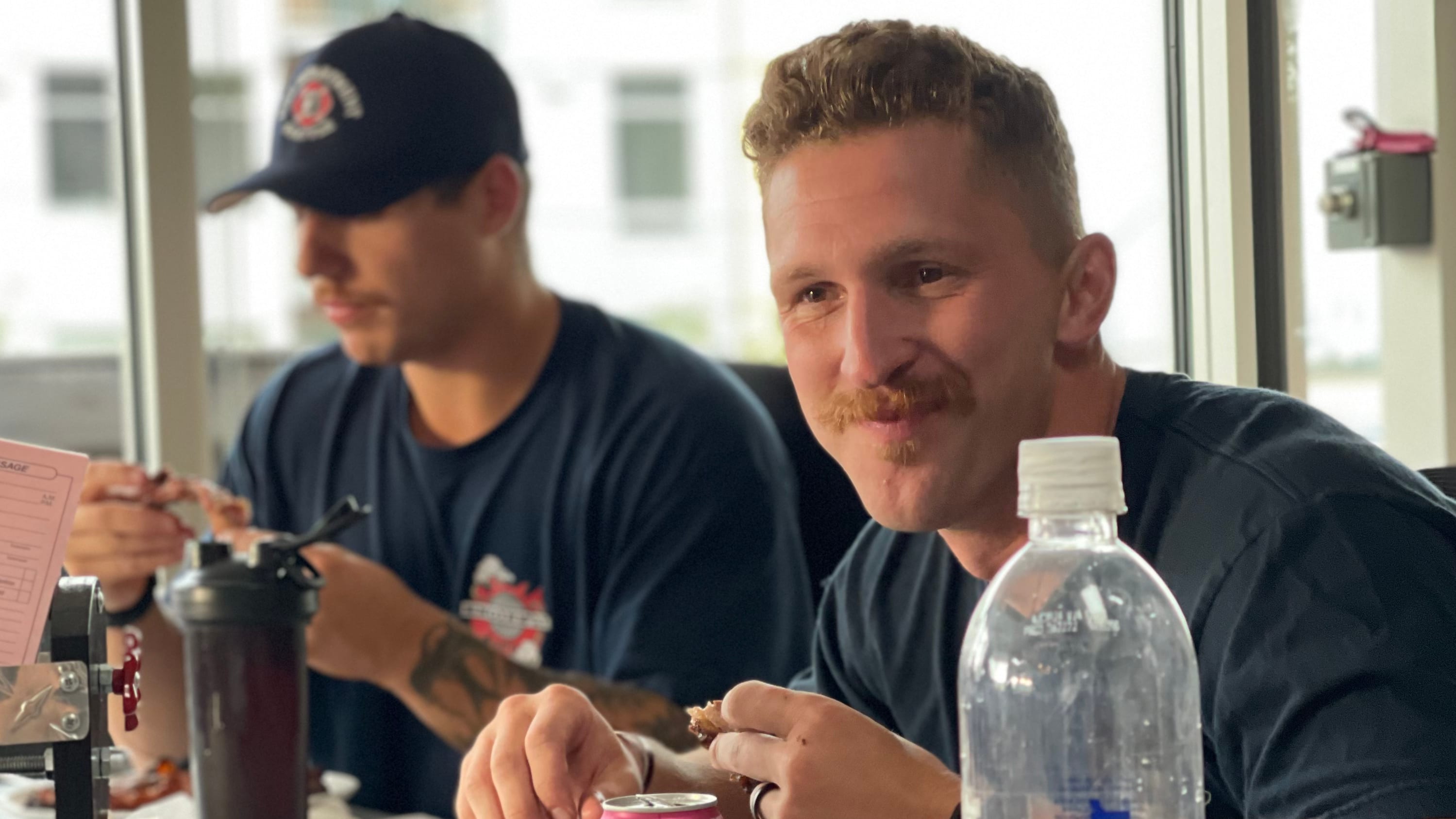
Hopefully, depending on who’s cooking, there is good food. There are recliners. Card games. Practical jokes. Laughter. Stories from previous calls. A baseline feeling of being tucked away with a group of good friends. Firefighters often describe the station as feeling like a second home, a place where the nervous system can finally exhale after periods of intense stress. It is a place built around readiness, but also around restoration.
Now compare that with the average police station.
Police departments are public safety facilities, but they serve a very different purpose. There are locked doors, secured areas, interview rooms, booking areas, evidence lockers, and people arriving in crisis or under arrest. Officers spend much of their day interacting with individuals who are deceptive, intoxicated, aggressive, or dangerous. The building itself reflects that reality. It is designed first for security.
The emotional tone of the environment is different before anyone even speaks. That difference extends into the relationship each profession has with the community.
The Culture We Carry Home
Fire stations often feel like neighborhood gathering places. Families stop by with children to see the engines. Schools schedule tours. Community members drop off cookies, baked goods, or snacks simply to say thank you. Firefighters are usually delighted to show someone around and share what they do.
A friend recently told me she had extra popcorn and decided to bring some to both her local fire station and police department. At the fire station, the popcorn was happily accepted and opened almost immediately. Everyone started eating it right in front of her. At the police station, one cautious officer accepted the package. Chances are it was inspected, questioned, or perhaps never eaten at all.
Neither response was wrong. Each was adaptive.
Police work teaches people that trust can be costly, which makes default distrust a survival stance. Suspicion becomes a survival skill. Firefighters, while certainly exposed to trauma, generally spend far less time dealing directly with the criminal element. Their default setting can remain one of openness rather than guardedness.
These repeated experiences gradually shape personality, worldview, and identity.
What Our Symbols Tell Us
There are symbolic differences, as well.
If someone is overwhelmed and unable to care for a newborn, many people instinctively think of a fire station as a safe place to surrender that child. Police departments can also provide safety, but culturally, society tends to associate fire stations with refuge, comfort, and welcome.
Even something as simple as an impromptu visit illustrates the contrast. Many fire stations will gladly invite visitors into their bay to see their rigs, answer questions, and inspire future firefighters. Most police departments, for understandable security reasons, require appointments, identification, or an inside contact before anyone moves beyond the front lobby.
None of this is a criticism of policing. I have the privilege of working with outstanding sheriffs, deputies, and police officers who serve with remarkable integrity. Their work is extraordinarily difficult, often underappreciated, and carried out in environments where vigilance is not optional. Many of the finest people I know wear a badge.
But professions shape people, and they do so in subtle ways.
The Workplace Shapes the Worker
The places we return to each day matter. The emotional climate of our workplace matters. Whether your home base is built around hospitality or security, openness or vigilance, restoration or constant readiness, those environments gradually influence how you see other people, how you interpret the world, and eventually how you see yourself.
Sometimes understanding those differences helps us better appreciate not only the professions, but also the human beings who devote their lives to them.
One final thought. In describing the fire station, I’ve intentionally described the ideal. Not every fire station functions this way. Like any workplace, firehouses can develop unhealthy cultures, interpersonal conflict, or dynamics that erode the very sense of restoration they are capable of providing. In an upcoming print edition of CRACKYL Magazine, I’ll explore what happens when the fire station itself stops being a place where the nervous system can recover — and why that matters just as much as the calls firefighters respond to.
Photo by Steve Baer | FireDog Photos
Shauna ‘Doc’ Springer, PhD is a pioneering psychologist, award-winning Military Times podcast host, and one of the world’s leading experts on psychological trauma, moral injury, suicide prevention, close relationships and the unique needs of the military and first responder communities. Doc Springer provides highly specialized consultation and confidential advising to organizations and public safety agencies that support protectors and defenders through her company THIN LINE ADVISORY.