‘Every one of us joined this profession because we wanted to help people. That includes helping ourselves and our brothers and sisters when life gets hard’
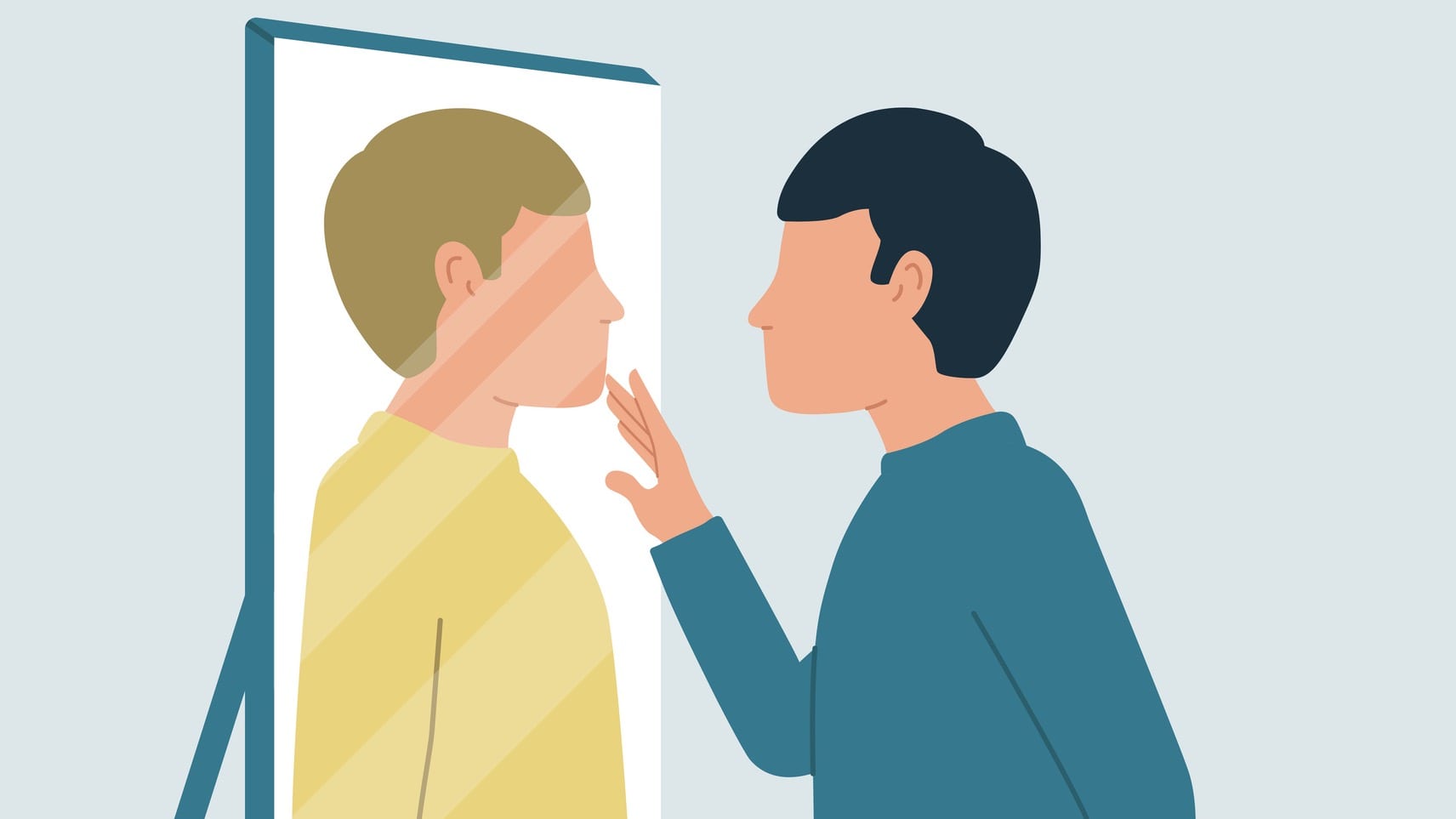
In the fire and EMS service, we train to assess everything we come in contact with: scenes, structures, patients, hazards, and even weather patterns. We make these assessments in real time, as operations and scenes change and transition from bad to good or bad to worse. But one thing we rarely assess is ourselves. We spend years learning how to evaluate risk, make quick decisions, and protect others. Yet when it comes to self-assessment, the honest check-in about how we are coping, many of us struggle to apply the same discipline.
Why Self-Assessment Matters
The truth is that the stress of this job does not end when the bells are quiet. The adrenaline fades, but the images, emotions, and exhaustion can linger for days, weeks, or even years. For many of us firefighters, medics, and dispatchers, that accumulation builds up silently. It does not always crash down in one moment; it creeps up on us. Through our time on and off the job, and sometimes into retirement.
That is where self-assessment becomes a vital survival tool. It is not about diagnosing yourself or labeling your behavior. It is about awareness, catching those subtle shifts in how we think, act, and cope. Awareness gives us choices. Without it, we drift into patterns that can harm our relationships, our health, and our careers, which can dampen our end goal of happy and long retirement.
A Simple Question?
Over the years, I have shared a simple way to start this process, a self-check that is easy to remember and hard to ignore:
“Can I take the vice out of the event and still enjoy it?”
That simple question has stopped a number of our brothers and sisters in their tracks. It is not about guilt or shame. It is about being honest with yourself.
Ask yourself:
- Can I go to a party or social event and skip the beer or mixed drink and still have fun?
- Can I watch a game or attend a sporting event without placing a bet on the outcome?
- Can I connect with my partner intimately without needing pornography to get aroused?
- Can I unwind after a shift without needing a substance or screen to quiet my thoughts?
If you find he answer is no, if enjoyment feels tied to the vice, that’s not failure. That is a signal. It is your internal size-up telling you something is off-balance.
From Coping to Crutch
Our profession normalizes certain behaviors. We work long hours, miss holidays, and often carry trauma home without even realizing it. It is easy for the things that start as relief, such as a drink after a shift with the crew or a drink before bed, a bet for fun, a distraction that helps us decompress, that becomes something more and quietly picks up.
When we need that vice to feel OK or normal, we have crossed from coping to dependence. It is not about quantity; it is about control. The moment the behavior starts controlling you instead of the other way around, it is time to talk to someone.
That is where peer support enters the picture.
The Role of Peer Support
Peer support is not therapy; it is a connection and a shared experience. It is one firefighter or medic reaching out to another and saying, “You are not alone. I have been there.” It is about trust, confidentiality, and understanding the culture that shapes our stress.
The goal of peer support is not to fix anyone; it is to listen, normalize the struggle, and help connect members to the right resources. In my home Local 416, we are fortunate to have a dedicated team, backed by IAFF training, our state peer support team at the PFFUI, and a clinical partnership through Pro Team Wellness.
Every conversation we have is fostered around respect and shared experience. We do not need to have all the answers; we just need to start the conversation that leads a brother or sister back towards balance. Sharing the experience, listening, and helping a brother or sister get the resources they need to feel healthy and back to their normal is the goal.
When to Reach Out
If you are wondering whether it is time to talk to someone, below are some self-assessment signs that might help you decide:
- You notice you are isolating more than usual
- You are quick to anger or feel emotionally numb
- You need substances, gambling, or screens to escape your thoughts
- You are struggling to sleep or constantly feel on edge
- You have lost interest in the things that used to make you happy
You do not have to wait for a crisis. Peer support works best when it is preventative — when we catch the slide early and have the courage to reach out before it becomes a fall.
Leaders Set the Tone
For officers and senior members, self-assessment starts with setting an example. Our brothers and sisters watch how we manage stress, how we talk about it, and whether we practice what we preach. A leader who can admit, “Yeah, I’ve had to check myself before, too,” creates a culture where others feel safe doing the same.
The best leaders understand that vulnerability is not a weakness; it is a form of strength that builds trust and loyalty. By modeling self-awareness, we permit others to follow suit.
Breaking the Stigma
For generations, first responders were taught to “suck it up.” The problem is that mentality builds walls instead of resilience. Today, we know better. True resilience does not mean never struggling; it means recognizing when you are and then doing something about it.
Self-assessment is the first step. Peer support is the bridge; we are here to listen, provide resources, and direct you to professional help when needed. Together, these steps form the base of a healthy, long-term career in this demanding profession.
Final Thoughts
Next time you catch yourself asking, “Do I need this to enjoy that?” take it as a chance for an honest self-size-up. Step back, breathe, and remember that awareness is not weakness it is wisdom.
Every one of us joined this profession because we wanted to help people. That includes helping ourselves and our brothers and sisters when life gets hard. Peer support is not just a resource; it is a reminder you’re part of a family that has your back, both on and off the job.
Because at the end of the day, the goal is not to be perfect, it is to be balanced. And balance starts with one simple question:
Can I take the vice out and still enjoy the event?