How one fire family’s grief and gratitude grew into a foundation that walks alongside firefighters and the families who stand beside them
Bailey Brownell lived fully.
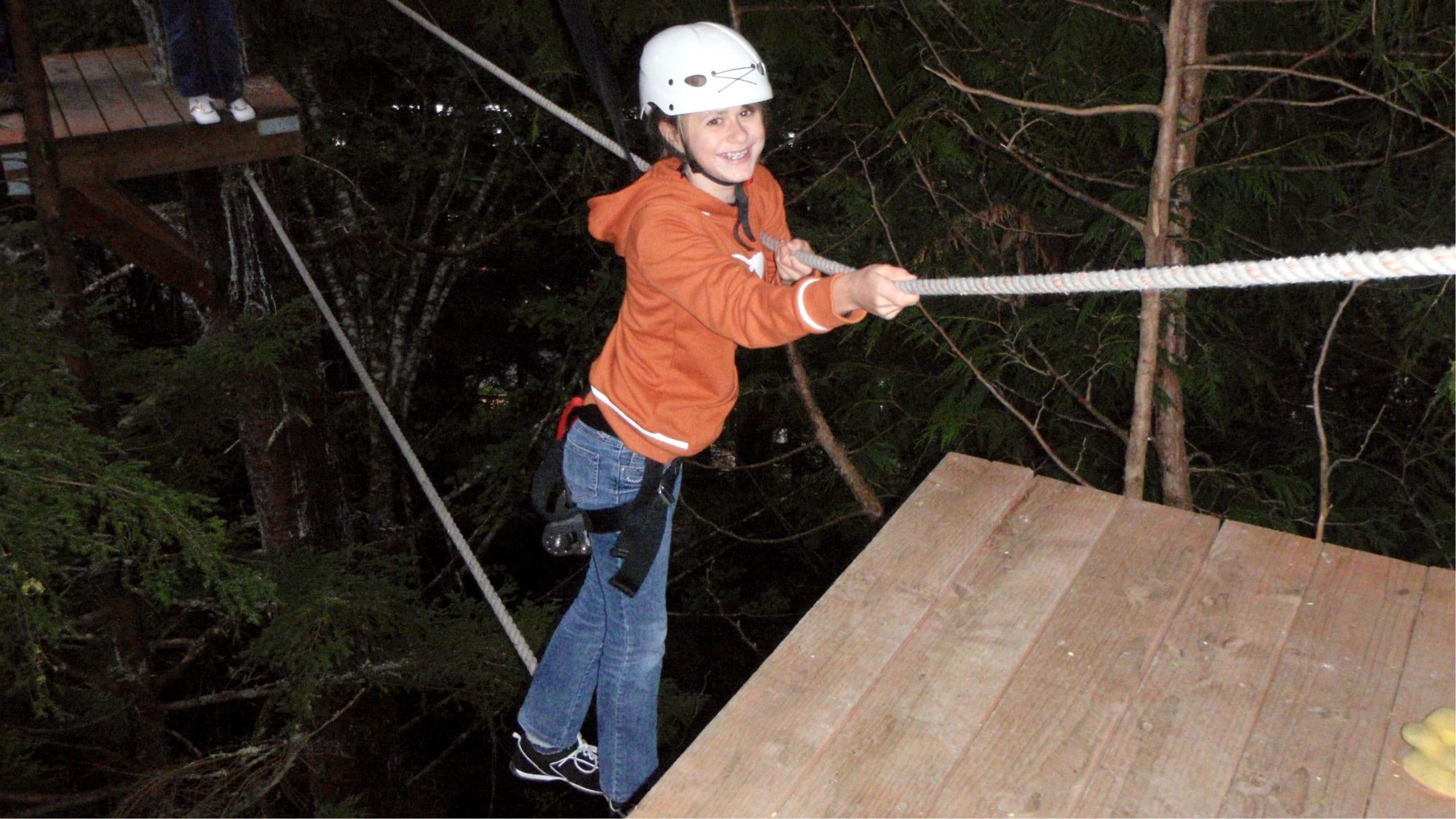
She collected experiences the way others collect souvenirs, always looking for the next adventure and rarely passing up an opportunity to try something new. She went skydiving, parasailing, and bungee jumping. During a trip to Alaska, she flew by helicopter to a glacier before spending the day dog sledding across the ice. In high school, she served as cheer captain, and later at Texas A&M, her energy, confidence, and enthusiasm drew people toward her.
As a teenager, Bailey was diagnosed with common variable immunodeficiency (CVID), a rare disorder that weakened her body’s ability to fight infection. Over time, additional diagnoses followed, and what began as a medical challenge evolved into a complex journey marked by hospitalizations, treatments, and uncertainty. For Bailey and her family, navigating doctors, specialists, and difficult decisions became part of everyday life.
Through it all, Bailey remained focused on living.
Even as her health challenges became more complicated, she continued looking ahead to the experiences she wanted to have, the places she wanted to go, and the people she loved spending time with. Her illness was part of her story, but it never became the center of it.
Her father, Round Rock Fire Department Assistant Chief Wylie Brownell, and her mother, Diedra, spent years helping their daughter navigate that increasingly difficult medical journey. Along the way, they experienced something many fire service families understand well.
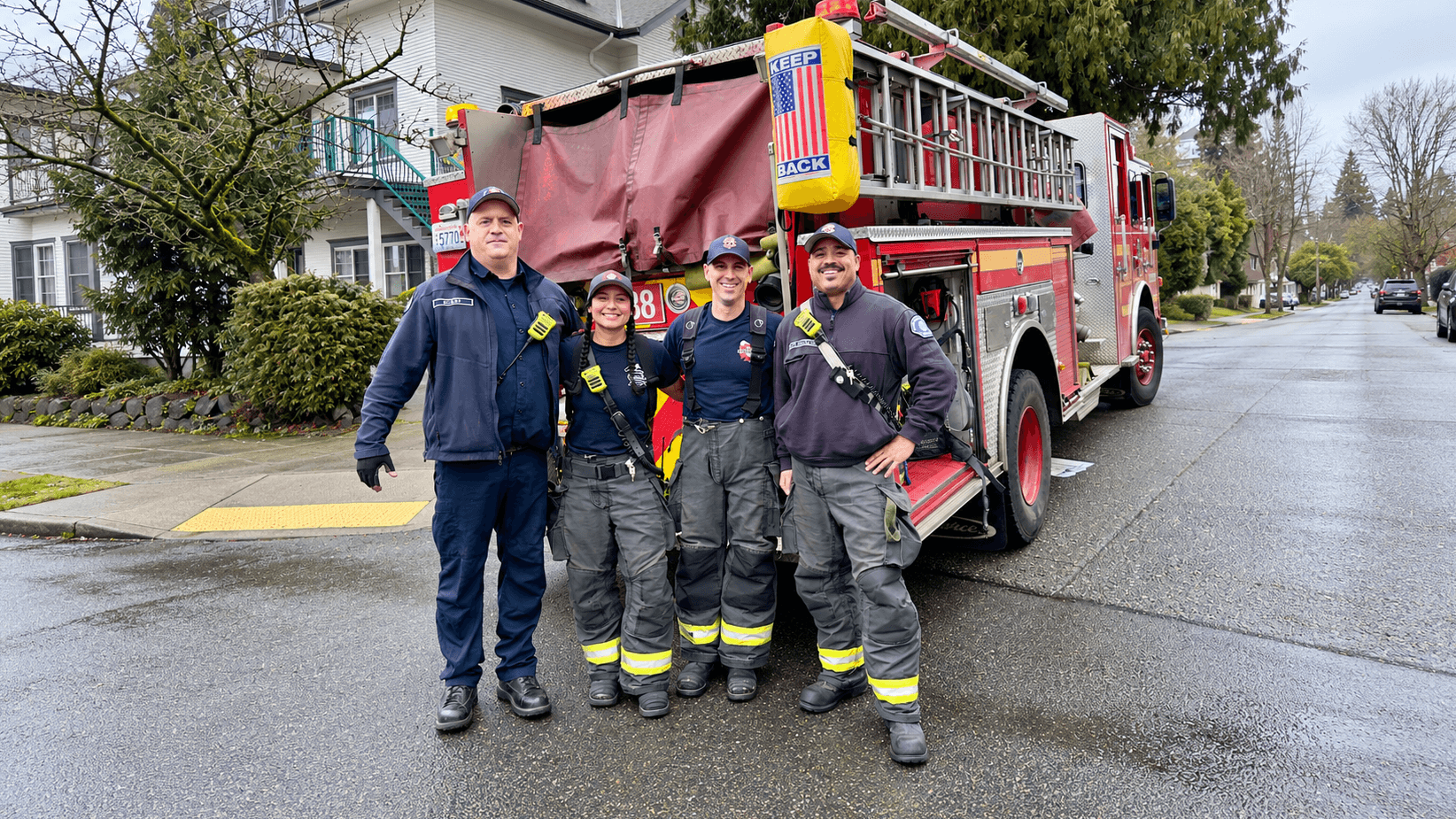
The fire family showed up.
When Bailey needed support, people arrived. When Wylie needed to be with his daughter, firefighters covered shifts. Meals appeared at the door. Errands were handled. Friends stepped in to help with whatever needed to be done, often before anyone had to ask. What the Brownells experienced was not a formal program or an organized effort, but a culture of care that had been built over generations within the fire service.
 Bailey Brownell
On July 5, 2019, Bailey passed away at the age of 23.
In the hours and days that followed, that culture of support surrounded the Brownell family in ways they never expected.
“When we lost Bailey, our fire family gave us support like you wouldn’t believe,” Diedra recalled. “We had firefighters at our house within minutes. They were there for days. They cooked our dinner, played with our dogs, took our trash out, and planned Bailey’s funeral.”
The support extended far beyond practical tasks. People sat with the family, answered phones, helped make decisions, and handled countless details that demanded attention when grief made even the simplest choices difficult. For the Brownells, those acts reflected a culture in which firefighters, spouses, retirees, and families take care of one another through life’s hardest seasons.
As time passed, gratitude remained at the center of how the family remembered that season. Eventually, that gratitude led to a question: How do you make sure that support is there when the next fire family needs it?
The answer began around the Brownell family kitchen table, where firefighters, spouses, community leaders, and supporters gathered for conversations about service, family, and the unique challenges that come with life in the fire service.
The Round Rock Fire Foundation was born.
Created from gratitude and built on relationships, the foundation began as a way to support members of the Round Rock Fire Department and their families in the same way the fire family had supported the Brownells. What started as a local effort grew into a broader commitment to strengthening fire families, providing support during times of hardship, and creating opportunities for connection within a profession that depends on strong relationships both on and off the job.
That same commitment is reflected in the foundation’s involvement with the RRFF National Spouse Conference, where firefighters become teachers and spouses become students of the profession. Throughout the conference, firefighters lead their partners through hands-on training and learning experiences that provide a firsthand understanding of the work, the risks, and the responsibilities that shape life in the fire service. By learning directly from their own firefighter, spouses gain a perspective few people outside the profession ever experience, creating a deeper understanding of both the job and the person who does it. Couples leave the weekend stronger, and the connection they gain is transformative.
For the Brownells, the foundation is a continuation of what was given to them during one of the most difficult seasons of their lives. It is a way to honor Bailey while extending the same care and practical support that so many others provided when they needed it most.
The Round Rock Fire Foundation exists because one family experienced the strength of a community and chose to carry that gift forward. When the next fire family faces a difficult season, whether in Round Rock or beyond, the hope is they will find what the Brownells found during their own time of need: people who show up.