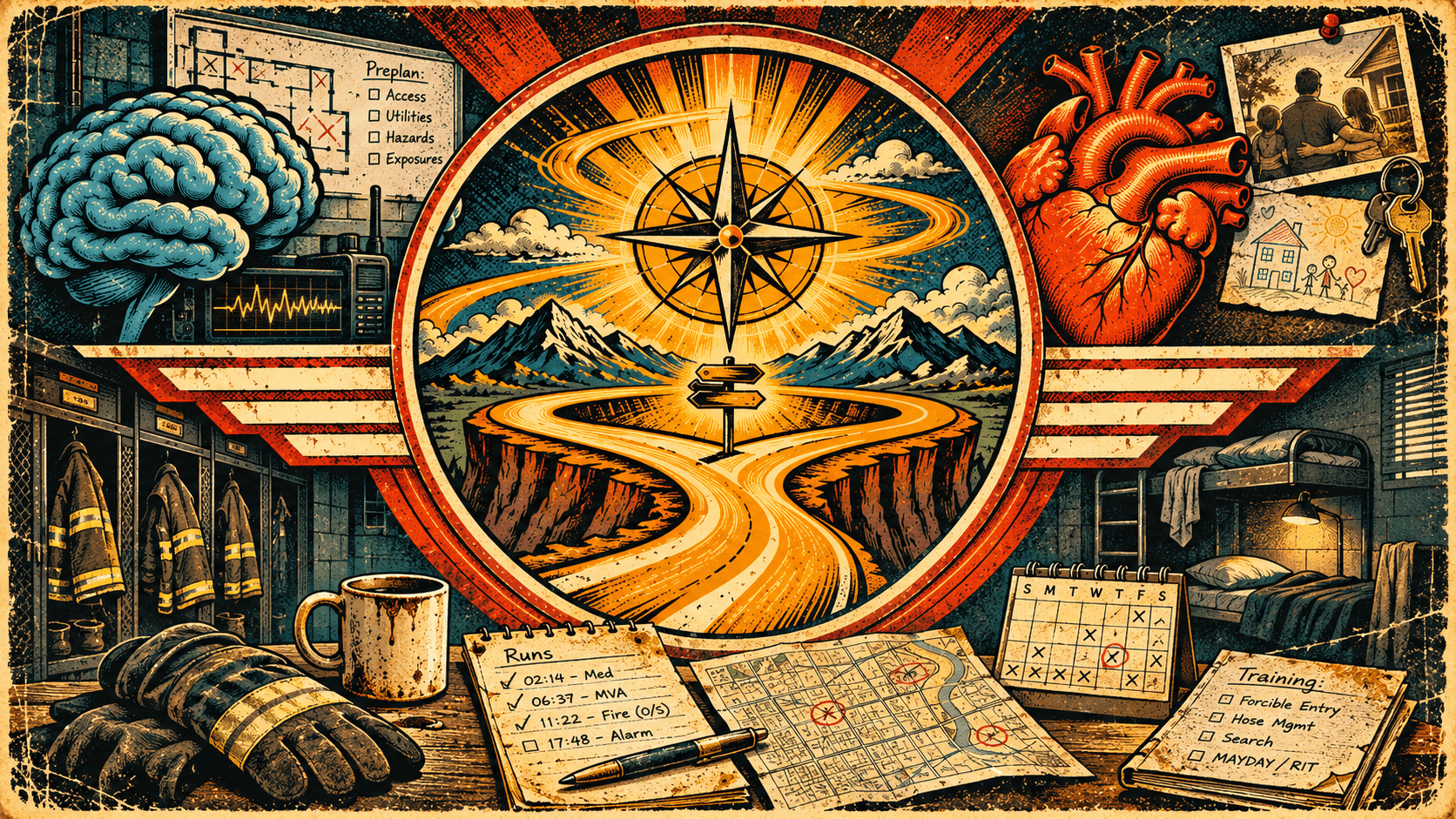

For much of my career, I believed the fire service story was written on emergency scenes. I thought it lived inside burning buildings, overturned vehicles, cardiac arrests, mass casualty incidents, storm deployments, and wildfire mutual aid calls. Like many firefighters and paramedics, I measured success by the calls we handled and the difficult situations we somehow brought under control. Over 27 years in the fire service, there were certainly enough of those moments to fill a lifetime. Looking back now, I realize the real story was never only about the calls — it was everything that happened in between them.
The fire service teaches people how to keep functioning when everything around them is coming apart. It teaches discipline, sacrifice, teamwork, and resilience. It also has a way of becoming your entire identity if you are not careful. Somewhere along the line, many firefighters begin to believe the job has to come first every single time and that exhaustion is simply part of being dedicated to the profession.
I understand how easily that happens because I lived it myself.
Like many firefighters, I stayed busy constantly. I chased leadership opportunities, certifications, teaching assignments, and extra responsibilities. I spent 15 years teaching EMTs and paramedics, something I remain deeply proud of. Watching students grow into capable providers and leaders brought a level of fulfillment that few things in the fire service could match.
When Dedication Becomes Overcommitment
But commitment comes with a cost. Teaching was never just classroom hours. It meant lesson plans, clinical coordination, grading, mentoring students, and long nights after already working full shifts. Add in overtime, deployments, side work, storms, and everyday firehouse life, and it became easy to justify spending nearly every waking hour tied to work in some form.
The fire service rewards overcommitment. More calls. More overtime. More responsibility. Somewhere between rookie school and retirement eligibility, many firefighters lose balance without even realizing it.
That is especially true for younger firefighters and those in the middle years of their careers. Early on, the excitement of the job makes you want to say yes to everything. Mid-career, it becomes easy to define yourself completely by the assignment, the rank, or the overtime check.
What I have come to appreciate more with age is that a career, no matter how meaningful, is still only one part of a life.
The Moments That Matter
There are things I believe I did well. Despite the profession’s schedule and demands, I worked hard to be present for my children. I attended baseball games, coached football and volleyball, went camping, and stayed involved in school activities whenever I could. Looking back, those moments matter more to me now than many of the calls I once believed defined my career.
My children probably cared far less about my rank or how many incidents I responded to than whether I consistently showed up for the important moments in their lives.
I also built a painting business alongside a crew of firefighters. Like many in this profession, we were never particularly good at sitting still on our days off. The business provided extra income, but it also reinforced many of the same lessons the fire service teaches: trust, accountability, teamwork, and work ethic. Those years created friendships and memories that remain important to me today.
Still, there are things I wish I had done differently.
The Family Sacrifices We Don’t Always See
If I am honest, I often took for granted how much my wife carried while I focused on building a career. She managed the unpredictability of the schedule, the late nights, deployments, storms, overtime, and all the emotional weight that comes home with this profession, whether firefighters realize it or not.
I convinced myself that because I was working hard and providing for my family, I was doing everything I needed to do as a husband. I was wrong about that. I wish I had spent more time encouraging her goals and ambitions earlier, rather than unintentionally allowing my profession to become the center of our family’s structure. It should not have taken a serious family medical emergency for me to fully understand how quickly perspective can change.
Over the years, I have also seen too many brothers and sisters in this profession lose themselves completely to the job. Some blamed the profession for every failed relationship or difficult season in life. Others became afraid of retirement because they had never built an identity outside the firehouse. The schedule, the calls, and the station became everything.
As retirement approached, some went into an emotional tailspin because they no longer knew who they were without the uniform. The profession absolutely creates stress, trauma, and sacrifice. But sometimes we also hide behind the badge because it is easier than admitting we may have lost balance somewhere along the way.
Mental and Physical Wellness
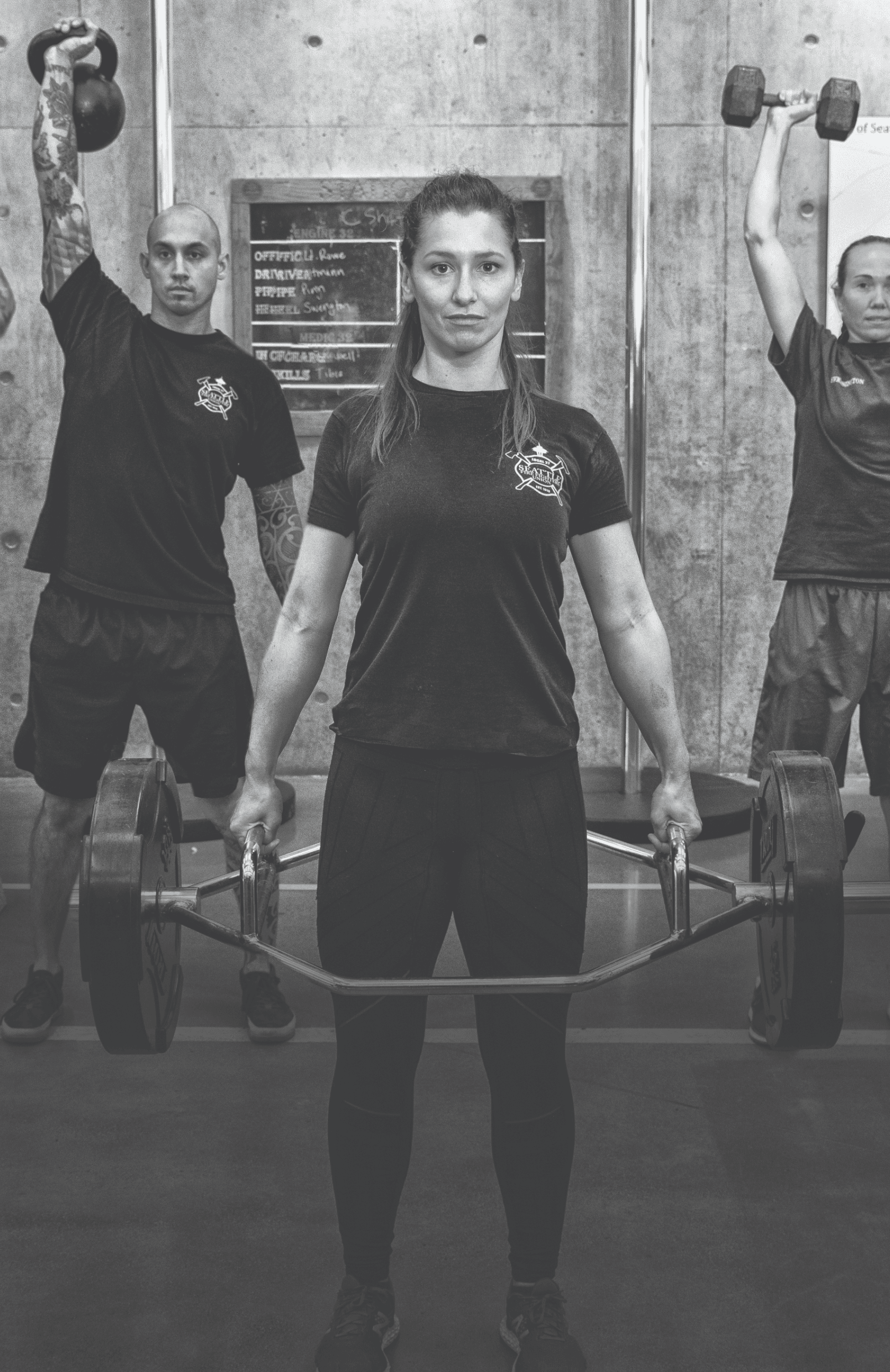
The stressors of this profession extend far beyond emergency scenes. Firefighters absorb trauma for years, convincing themselves they are managing it fine because they continue to show up for work. For a long time, the culture of the fire service celebrated physical toughness while largely ignoring mental and emotional health.
Yet no amount of physical strength protects someone from accumulated stress, emotional exhaustion, or unresolved trauma. Eventually, something gives way. Sometimes it is physical health or a marriage. Sometimes it is isolation, anger, or depression. Mental health matters just as much as physical fitness, and perhaps more.
The same goes for overall wellness. Looking back, I laugh at some of the eating habits that seemed normal during my younger years in the firehouse: huge meals, after-midnight calls, and fast food between runs. The belief we can outwork poor nutrition forever eventually catches up with most firefighters.
The firehouse kitchen will always remain one of the best parts of the culture. Some of the strongest camaraderie and best conversations I ever experienced happened around those tables. But balance matters there, too.
A Healthier Perspective
One of the most rewarding parts of getting older in this profession has been watching many of the firefighters, EMTs, and paramedics I once trained now become leaders themselves. Some are officers. Some are instructors. Some are mentoring the next generation the same way others once mentored us.
What gives me hope is hearing many of them openly talk about balance, family, mental health, and protecting life outside the job in ways previous generations rarely discussed. The newer generation still works hard and serves proudly, but many also seem to understand earlier that a meaningful career and a meaningful personal life are not mutually exclusive — and that shift matters.
The art is not simply surviving the calls. The art is learning how to live the life between them.
The calls eventually become memories. The apparatus bay doors close. The radio traffic fades into someone else’s shift. One day, the pager stops going off for you entirely.
What remains is the life you built outside the uniform.
Beyond the Fire Service
The fire service gave me purpose, lifelong friendships, incredible experiences, and a career I remain deeply proud of. I would choose this profession again without hesitation. But if there is one thing I hope younger firefighters, rookies, and those somewhere in the middle of the journey understand, it is this: the job can be one of the greatest parts of your life without becoming your entire life.
Serve proudly. Train hard. Lead well. Take the calls seriously. But do not lose sight of the people and moments waiting for you between them, because in the end, that is the part that matters most.