
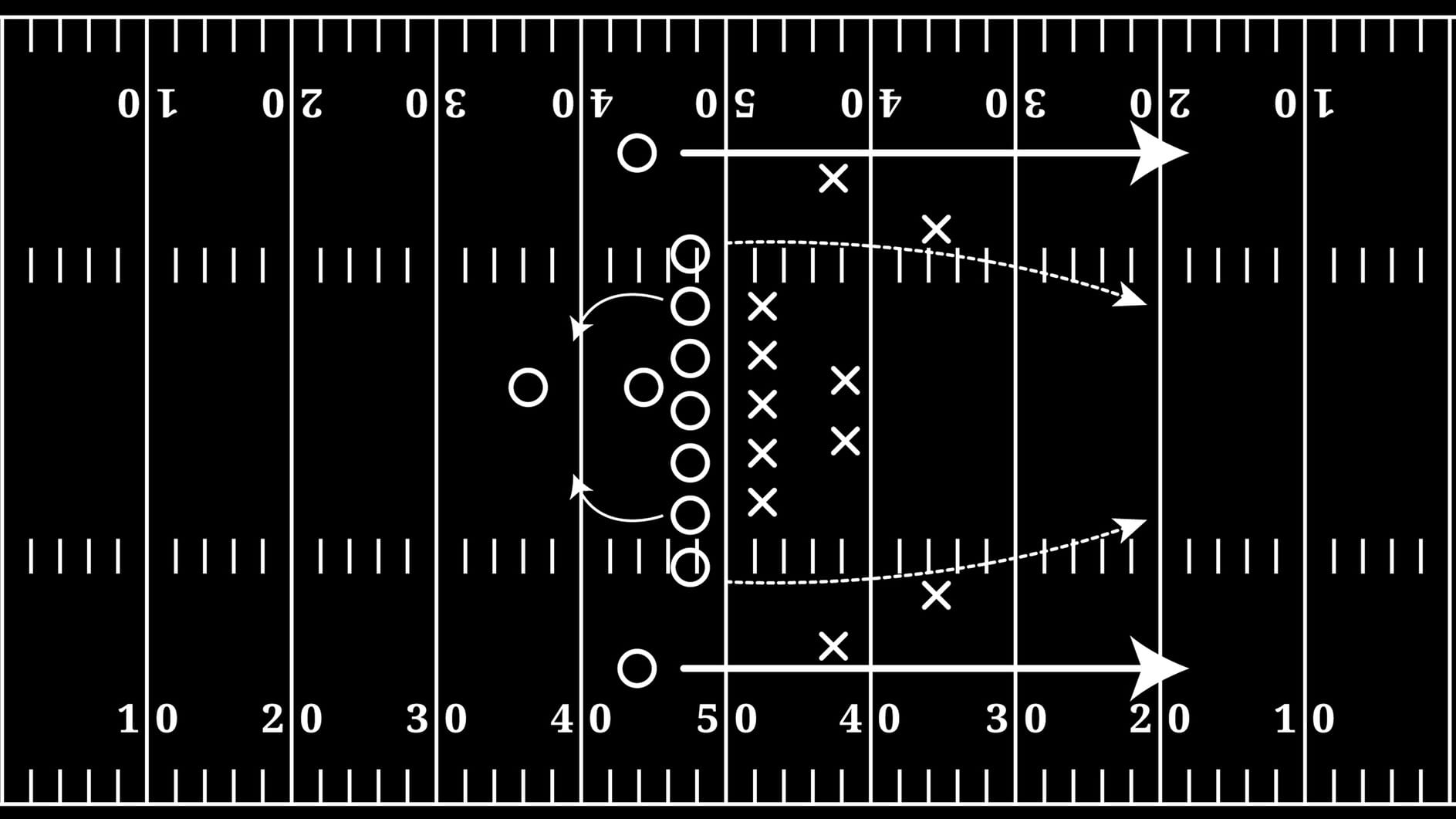
Football season is back. Stadiums are packed, energy is high, and everywhere you turn, people are talking about winning. It’s America’s game, and right now the entire country is locked in – highlight reels, pre-game predictions, debates about which teams are built to last and which ones are set to fall apart. But here’s the thing most people miss about football: at the highest levels, most games aren’t won. They’re lost.
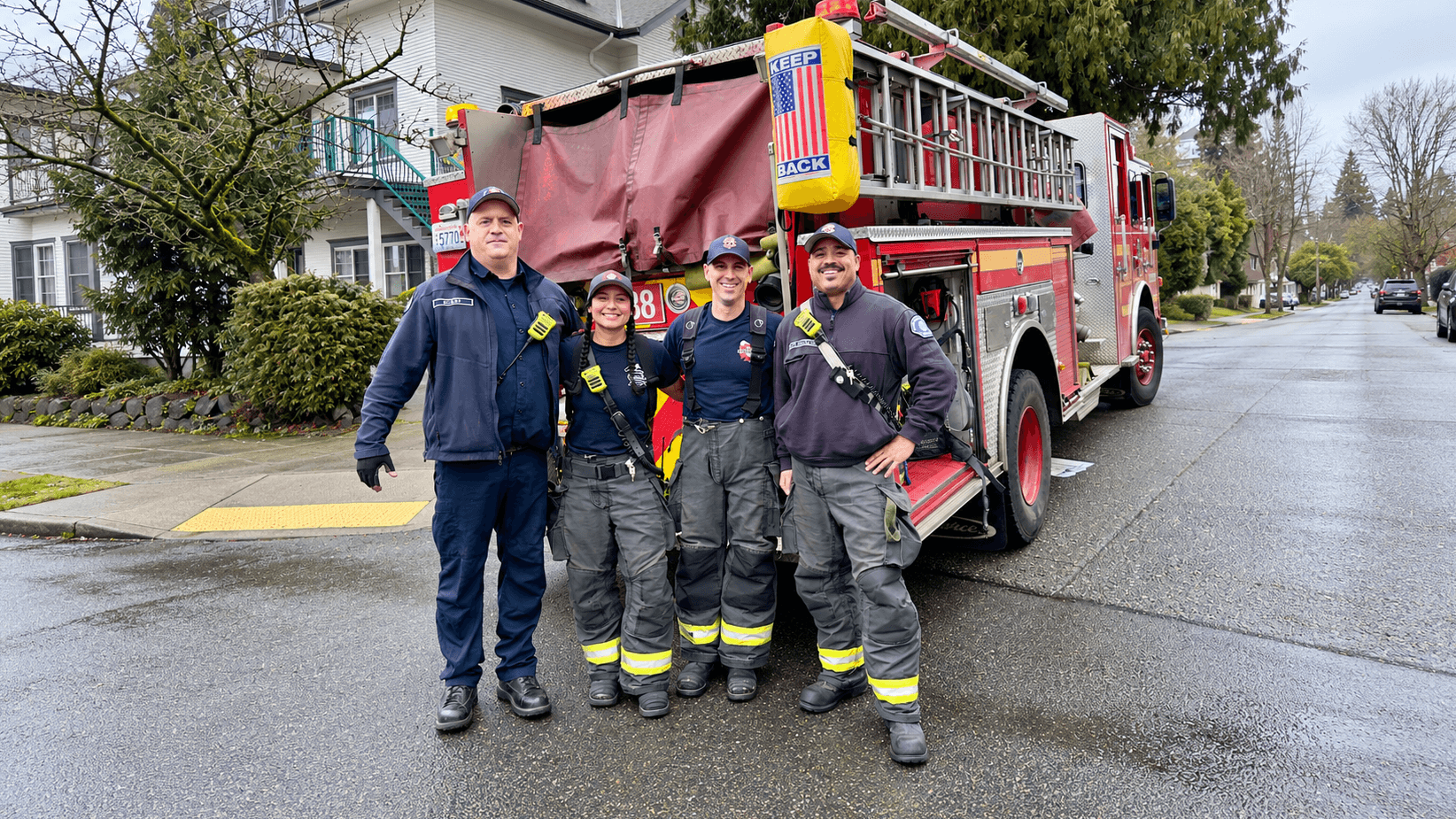
Think about that for a second. Success – in football, in life, in firefighting – often comes down to avoiding mistakes, staying disciplined, and protecting the ball. Championships are rarely built on miracle plays or last-second Hail Mary passes. They’re built on preparation, habits, and the ability to minimize the decisions that cost you. That’s where firefighting comes in. Because whether we talk about it this way or not, we’re in our own season – one that never really ends. Every shift, every call, every choice is a play. And just like football, there are three reasons teams lose. When you break them down, they line up almost perfectly with the fire service.
Turnovers happen when we show up unprepared. In football, turnovers kill drives. In our world, they happen when we’re not ready for the shift – physically, mentally, or both. It doesn’t have to be intentional. Maybe it was a late night, a few too many drinks, no sleep, a newborn at home, or coming back from an injury before you’re ready. But the result is the same: you’ve handed control to the other team. And in our world, the “other team” isn’t just the fire; it’s chaos, fatigue, injury, burnout, and failure.
The Cost of Being Unprepared
Missed tackles are the missed opportunities. In football, it’s letting a play slip right through your hands. In the fire service, it’s every training session we skip, every workout we delay, every tough conversation we avoid, every recovery day we blow off because we think we’ll “be fine.” These missed reps add up. They compound quietly until the moment they catch up to us – sometimes on the fireground, sometimes in our health, and sometimes in the moments we need it most.
And then there are explosive plays – the ones that change the game in an instant. In football, one blown coverage can flip the outcome. In firefighting, our explosive plays are those moments when our lack of preparation, knowledge, or awareness costs us big. It could be a split-second decision on scene. It could be a physical breakdown that hits without warning. It could be a skill gap we didn’t address when we had the chance. The only way to control these moments is to get ahead of them – to invest in yourself before the game tests you. That means training, mentorship, certifications, conferences, learning new skills, sharpening old ones, and constantly expanding your playbook. The game is coming whether you’re ready or not.
Small Wins, Big Result
Winning in this job – and in life – isn’t about chasing glory. It’s about stacking small wins and refusing to give the ball away. Trained behaviors become habits. Trained habits become instincts. And instincts decide whether you stay in control or watch the game slip away.
Here’s the truth: it is simple but uncomfortable. Stop chasing winning and start eliminating the things that make you lose. Because championships – and careers – aren’t built on lucky throws or miracle plays. They’re built on one intentional decision, one small win, and one well-executed play at a time.
So line up. Call the play. Protect the ball. And stop beating yourself before the game even starts.