
5 ways to care for others and yourself on the anniversaries of difficult losses
You may not always know why you’re feeling off — restless, short-tempered, or just not yourself. But your body often knows before your mind catches up. If a significant date is approaching — the anniversary of a loss, a traumatic call, or a death that has remained with you — what you’re experiencing has a name: an anniversary grief reaction.
It’s real. It’s common. And you’re not alone in it.
What Is an Anniversary Grief Reaction?
An anniversary reaction is a resurgence of grief symptoms tied to the calendar: the date of a death, a traumatic event, or another significant loss. It can also be triggered by seasons, holidays, milestones like graduations or weddings, or even sensory cues, such as particular smells or songs.
Importantly, anniversary reactions often begin before the actual date. The body and mind remember, even when we are not consciously aware of what is approaching.
We invite everyone reading this article to practice the Meitheal Principle. This peer support principle includes checking in on someone, bringing dinner during a shift on an anniversary date, meeting at a favorite place to celebrate the person lost, sharing your own story of loss and grief, and — perhaps most importantly — offering remembrance.
Grief is not meant to be carried alone. Talking about your memories and staying connected are two of the most powerful tools for navigating it.
What Grief Looks Like in Action
Grief rarely appears in the way it’s portrayed in movies. It does not always involve tears or sadness. In fact, grief in daily life is often manifested in behavioral changes that can be misread as attitude problems, laziness, or conflict.
At times, this may emerge as anger directed at a co-workers or community members. If you notice these in yourself and others, pause, reflect on the why, and respond with understanding. Here are common ways anniversary grief shows up in actions:
Withdrawal and Avoidance
- Canceling plans or isolating from others
- Avoiding places, songs, or objects tied to the loss
- Going quiet or pulling back from conversations
Irritability and Reactivity
- Snapping at people over small things
- Feeling easily overwhelmed or frustrated
- Conflict that seems out of proportion to the situation
Overactivity and Busyness
- Filling every moment to avoid feeling
- Throwing oneself into work or projects
- Difficulty sitting still or being alone
Disrupted Routines
- Neglecting sleep, eating, or hygiene
- Forgetting appointments or losing track of time
- Feeling disconnected from daily life
Numbing Behaviors
- Increased use of alcohol, food, or screens
- Emotional flatness or going through the motions
- A sense of detachment from one’s own life
Searching and Caretaking
- Compulsively revisiting places or old photos. or videos
- Focusing intensely on others to avoid one’s own pain
- Suppressing grief to stay strong for others
5 Ways to Take Care of Your People — and Yourself — Around Anniversary Dates
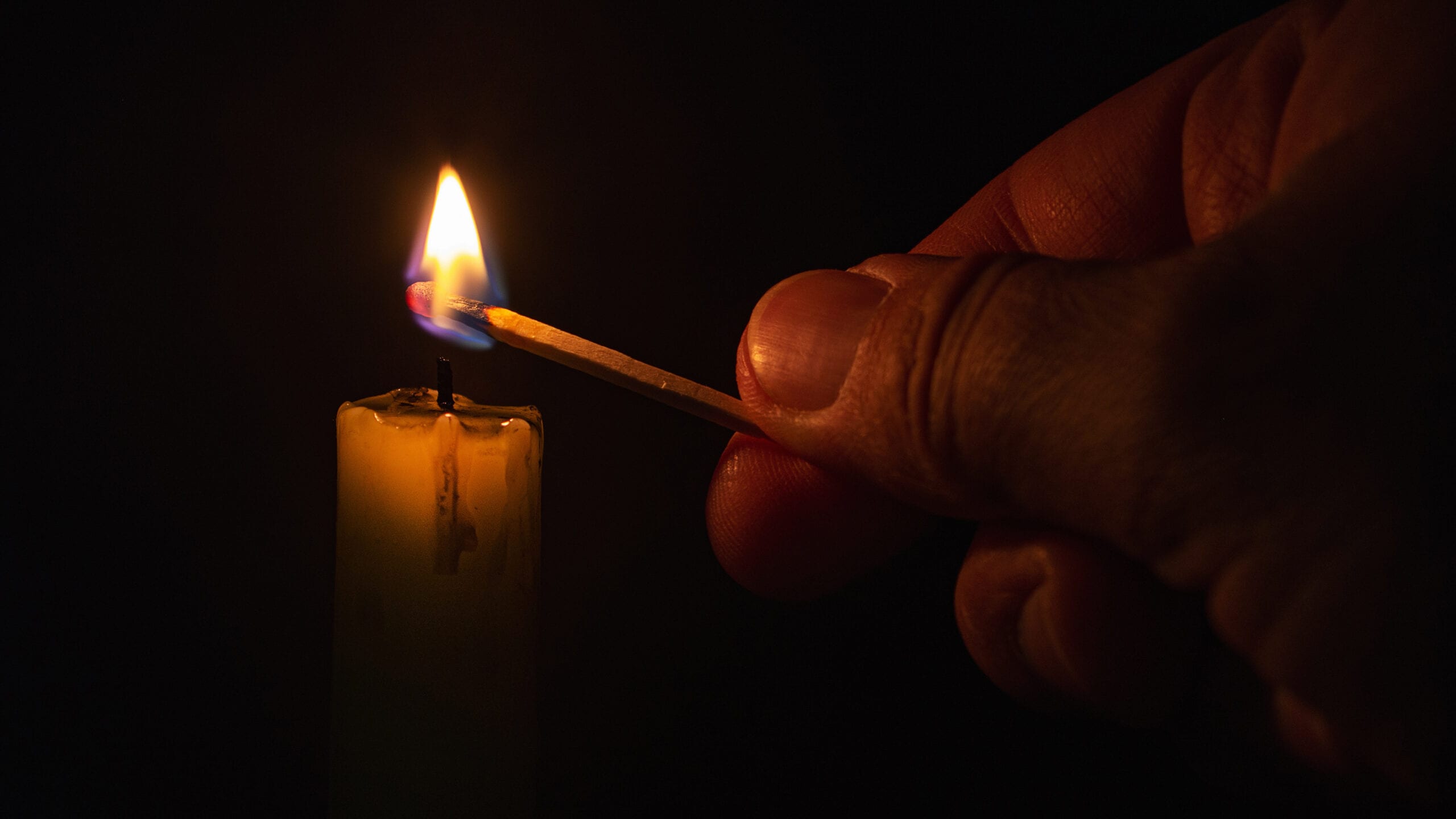
**1. Create a small ritual of remembrance:**Light a candle, visit a meaningful place, or look through photos. Giving the day intentional structure can feel more grounding than trying to push through it like a normal day.
**2. Reach out to someone who knew them, too: **Sharing memories with a friend or family member who also grieves can ease the sense of isolation. You don’t have to carry the day alone.
**3. Be gentle with your schedule: **Give yourself permission to clear non-essential obligations. Be realistic about expectations for productivity and build in rest or quiet time before and after the date. Plan for the date with co-workers, friends and loved ones and what you will do to honor their memory.
**4. Write or express what’s coming up: **Journaling, writing a letter to the person you’ve lost, or even just naming your feelings out loud can release some of the emotional weight that tends to build ahead of these anniversaries.
**5. Do something that honors their memory: **Cook a meal they loved, donate to a cause they cared about, or engage in an activity you shared together. Channeling grief into action or meaning can transform a painful day into one of quiet remembrance.
Anniversary reactions don’t always wait for the actual date of the loss. They can show up days or even weeks before the anniversary date. How we heal is in community — together.
Stay safe. Stay connected.