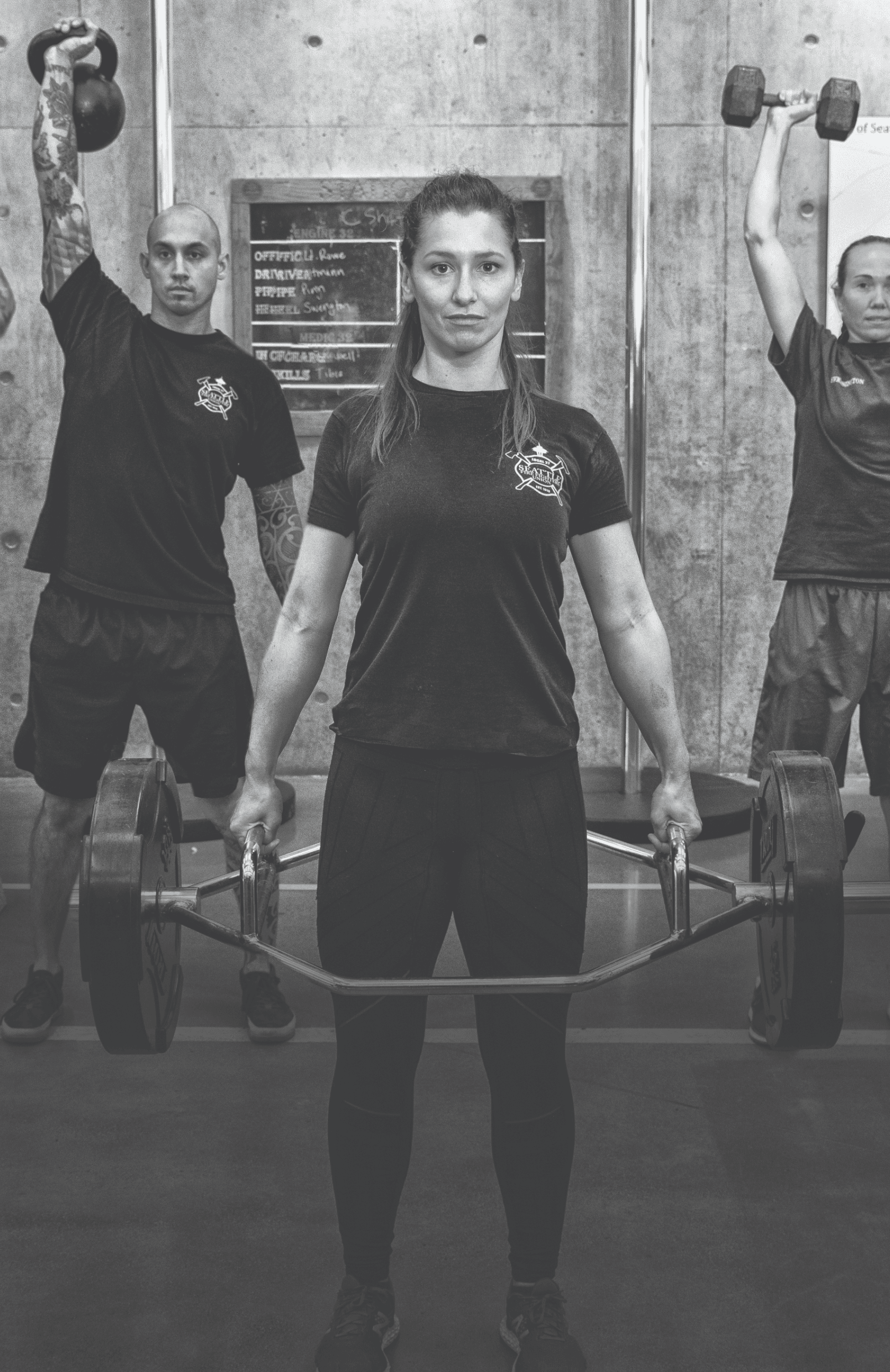
For nearly three decades in the fire service, I understood physical fitness as part of the job. We trained, worked long shifts, carried equipment, crawled through buildings, and occasionally pushed our bodies harder than we probably should have. Staying in shape wasn’t necessarily about looking good. It was about doing the job, keeping up with the crew, and making sure everyone went home.
Then retirement came.
Now, more than five years removed from the firehouse and in my late 50s, I’ve discovered something nobody really prepares you for. Staying physically fit after the job can be harder than staying fit while you’re doing it. Life changes, priorities shift, and the body that once responded to whatever you demanded of it now takes longer to recover.
I knew I needed to make changes. I also convinced myself I knew exactly how to make them.
Experience Isn't Enough
After all, I had spent years working in a physically demanding profession. I understood exercise, nutrition, and conditioning. I had never needed a personal trainer. If I wanted to lose a few pounds or improve my conditioning, I simply looked in the mirror and decided to do something about it. That approach worked reasonably well when I was younger. It wasn’t working anymore.
The problem wasn’t a complete lack of effort. I would start exercising, make adjustments to what I ate, and promise myself I would be more consistent. Then work got busy, travel interrupted the routine, or an old ache gave me a convenient reason to take another day off.
One missed workout became three. Three became a week. And before long, I was starting over again.
Firefighters can be incredibly creative with excuses. I’ve heard fewer excuses from people trying to avoid being held over for relief than I made for myself about why I couldn’t get a workout in.
Some of those aches and pains were legitimate. Years of physical work leave their marks. But I was also letting those legitimate limitations become reasons to do less instead of finding smarter ways to do more.
Retirement didn’t mean I had stopped working, either. I moved into another demanding career in emergency preparedness and health care logistics, with long days, irregular schedules, and travel. I wasn’t sitting around looking for something to occupy my time. In many respects, my schedule was as busy as ever.
Finding a Better Approach
What was missing was the structure that kept fitness part of my everyday life.
Eventually, I realized that to get different results, I needed a different approach. And for the first time in my life, I reached out for professional help.
That decision introduced me to Ryan Provencher and Firefighter Peak Performance.
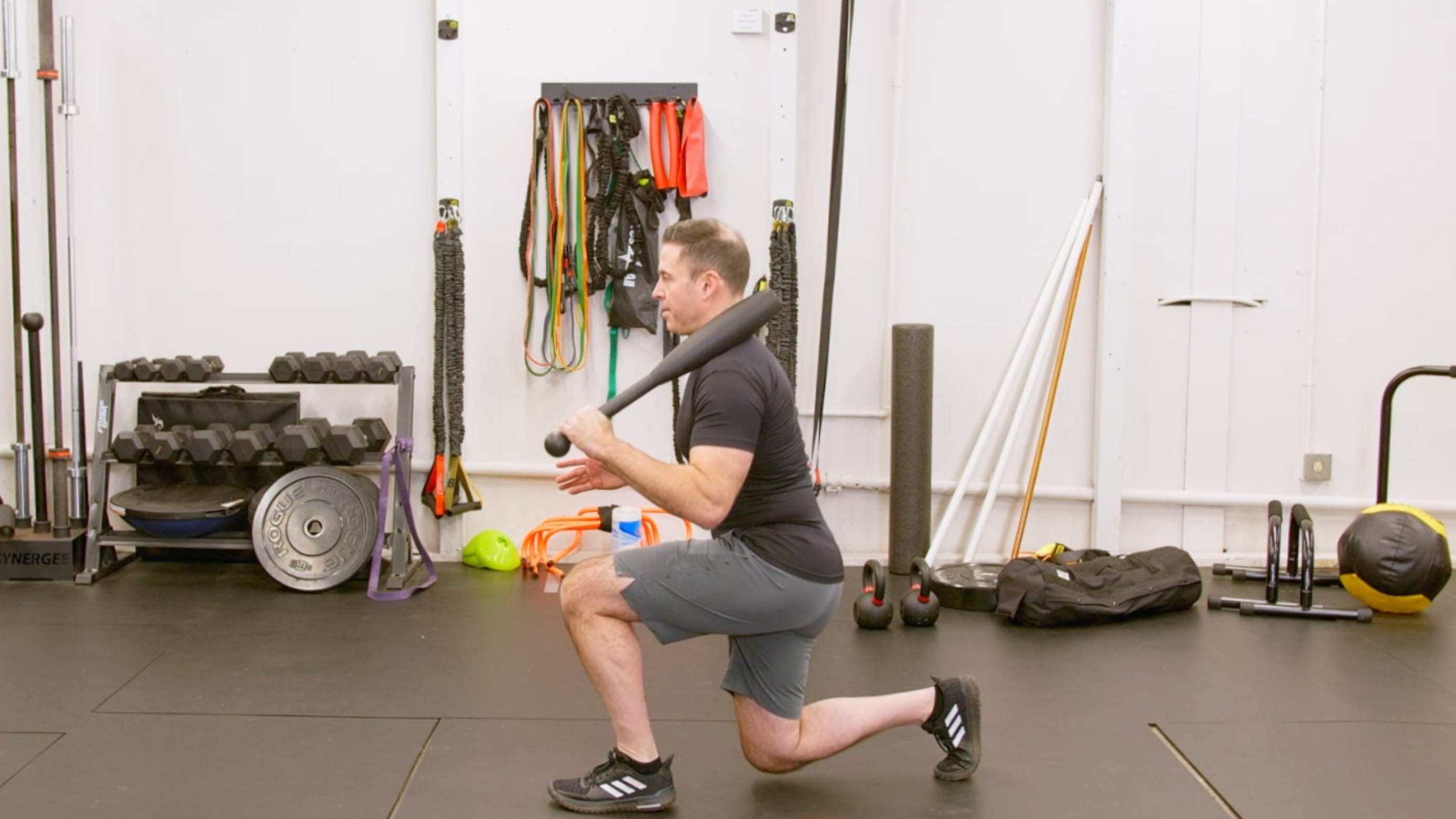
I wasn’t looking to become a competitive athlete. I wasn’t trying to turn back the clock or pretend I was 25 again. I wanted to lose some weight, improve my cardiovascular conditioning, regain strength, and feel better doing the activities I enjoy.
More importantly, I wanted something sustainable. Ryan understood that from the beginning.
Instead of handing me a generic workout plan and telling me to eat chicken and vegetables for the next three months, he developed a customized 12-week program built around three phases. Each phase had a purpose, and the progression accounted for my age, physical limitations, current conditioning, goals, and unpredictable work schedule.
There was a structure without rigidity, and accountability without intimidation. Most importantly, expectations were realistic.
Regular meetings gave us opportunities to evaluate progress, discuss challenges, and make adjustments. The tools he provided helped keep me focused between those conversations. If work or travel interfered with the original plan, we adapted.
That flexibility mattered.
I didn’t need someone telling me I had failed because I missed a workout. I needed someone helping me understand how to stay consistent when life got in the way.
Progress Without Perfection
Ryan also helped me rethink nutrition.
Like many firefighters, I’ve enjoyed my share of firehouse meals. I still enjoy good food, and I wasn’t interested in a program that made eating feel like punishment.
The approach wasn’t about eliminating everything I liked. It allowed for an occasional cheat meal, lighter workout days, and the reality that some weeks would be better than others. It wasn’t all or nothing.
That may have been one of the most valuable lessons of the entire experience. You don’t have to be perfect to make progress. You do, however, have to be willing to put in the work. And the results came.
Over the 12-week program, I lost more than 20 pounds. My cardiovascular conditioning noticeably improved. I began seeing lean muscle definition again, and my overall energy and confidence improved.
But the biggest change wasn’t something measured on a scale. It was getting back to doing things I enjoy without constantly negotiating with myself.
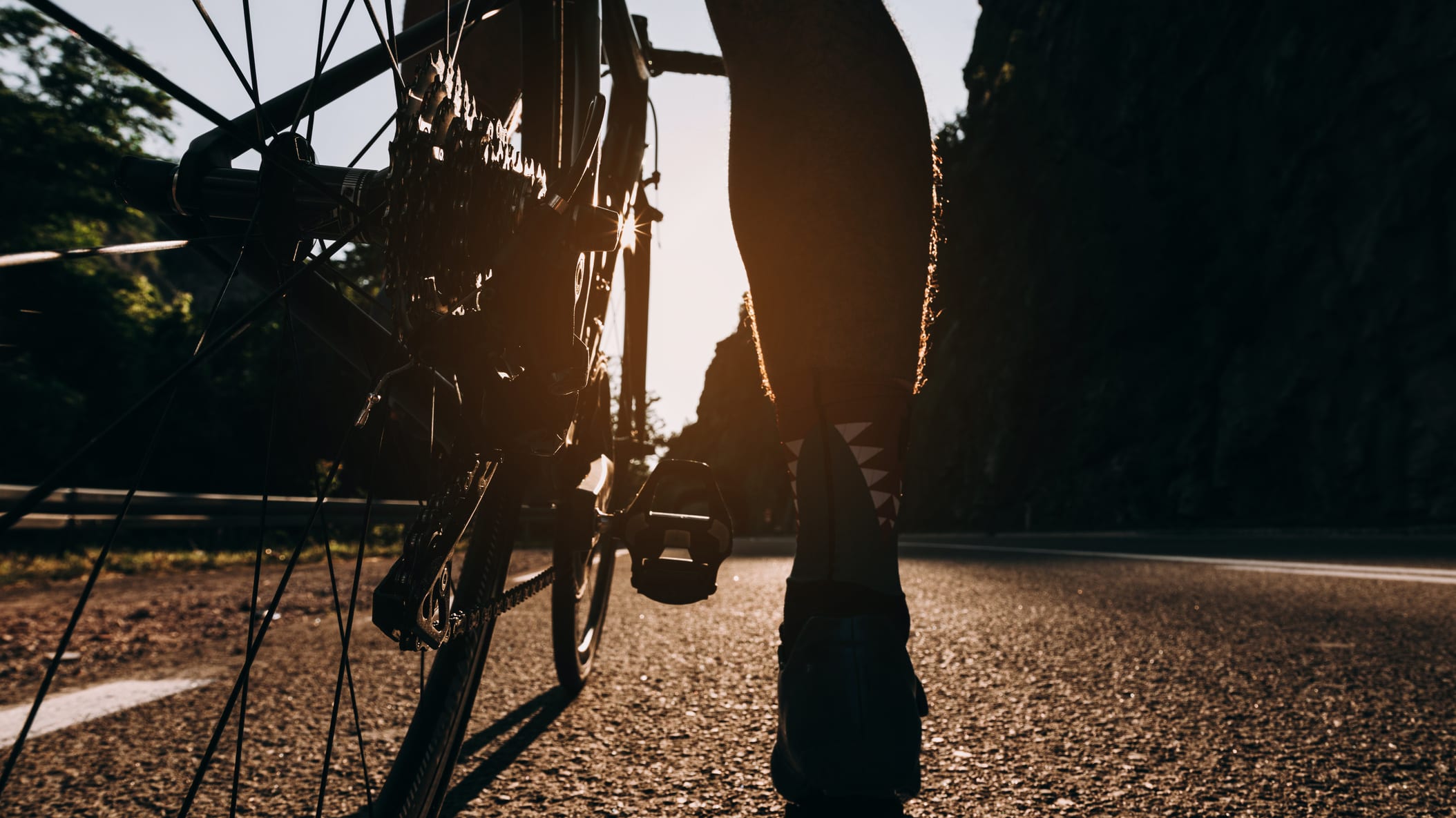
I love riding my road bike. Somewhere along the way, I had started finding reasons not to ride as often as I wanted. Sometimes it was my schedule. Sometimes it was how I felt. Sometimes it was simply easier to put it off.
Now I’m riding as much as I want, and enjoying it again. That freedom means more to me than a number on a scale.
What makes this experience even more impressive is that Ryan and I accomplished it remotely, separated by more than 3,000 miles. Think about that for a moment. We didn’t need to be in the same gym. He didn’t have to stand over my shoulder counting repetitions. Through regular communication, appropriate tools, and a program designed specifically for me, he provided the guidance and accountability I had been missing.
I can only imagine the benefits for someone who is fortunate enough to work with him in person.
Fitness Is a Career-Long Commitment
I also believe this message is much larger for the fire service.
We spend our careers discussing readiness. We inspect apparatus, maintain equipment, train on skills, and prepare for emergencies that may never happen. Yet we can let personal physical readiness slip until we realize we’ve lost ground.
For younger firefighters, that may mean building good habits before the profession’s demands begin taking their toll. For those trying to get hired, it means preparing for the job’s physical expectations. For mid-career firefighters, it may mean addressing the extra pounds and declining conditioning that can develop between busy shifts and family responsibilities. For those approaching retirement, or already there, the challenge is different but no less important.
You may no longer be crawling down a hallway searching for someone or depending on your crew to help you make it out. But your health still matters to the people waiting for you at home. And it should matter to you.
That is why I believe Ryan Provencher and Firefighter Peak Performance have something valuable to offer firefighters at every stage of their careers.
Whether your goal is basic fitness, weight management, improved conditioning, operational readiness, or even competition-level performance, Ryan understands that different people require different approaches. For departments looking to strengthen their fitness and readiness programs, I encourage leadership to speak with him, as well.
It’s valuable to have someone who understands the demands of the profession while recognizing that not every firefighter starts from the same place.
Asking for Help
I’ve spent much of my career teaching and mentoring others. One lesson I’ve always emphasized is that nobody knows everything, and there’s no shame in asking someone with the right experience for help.
Apparently, I needed to take some of my own advice.
I had never worked with a trainer before. I assumed experience, determination, and a mirror were enough. As I got older, I discovered that knowing what to do and consistently doing it are two very different things. Ryan helped bridge that gap.
If you’re reading this and have been putting off getting started, I understand. Maybe your knees hurt, your back isn’t what it used to be, you’ve gained weight, or just don’t have the energy you once had. Maybe you’re embarrassed about how far you’ve slipped from the shape you were in at the academy.
Or maybe, like me, you’ve become exceptionally good at explaining why tomorrow is a better day to start.
You don’t need to become the person you were 20 years ago. You need to become a healthier, stronger version of the person you are today.
That requires effort and honesty with yourself. Sometimes it means admitting someone else may be better equipped to help you reach your goals.
I’m proud of losing more than 20 pounds, of my improved conditioning, and the physical changes I’ve made. But I’m even more grateful for the renewed confidence and the realization that getting older doesn’t mean surrendering the things you enjoy.
No More Excuses
The program didn’t eliminate every ache or turn back the clock. It gave me a realistic way to move forward.
After more than five years of retirement, I finally found a better balance between fitness, nutrition, work, and everyday life. And I didn’t have to give up everything I enjoy to get there.
Ryan Provencher and Firefighter Peak Performance, I salute you.
Thank you for the friendship, guidance, accountability, encouragement, and a program that worked with my life instead of demanding my life revolve around it.
Most importantly, thank you for reminding this retired firefighter that the hardest part of getting back in shape sometimes isn’t the workout.
It’s finally running out of excuses.
Thank you, brother!