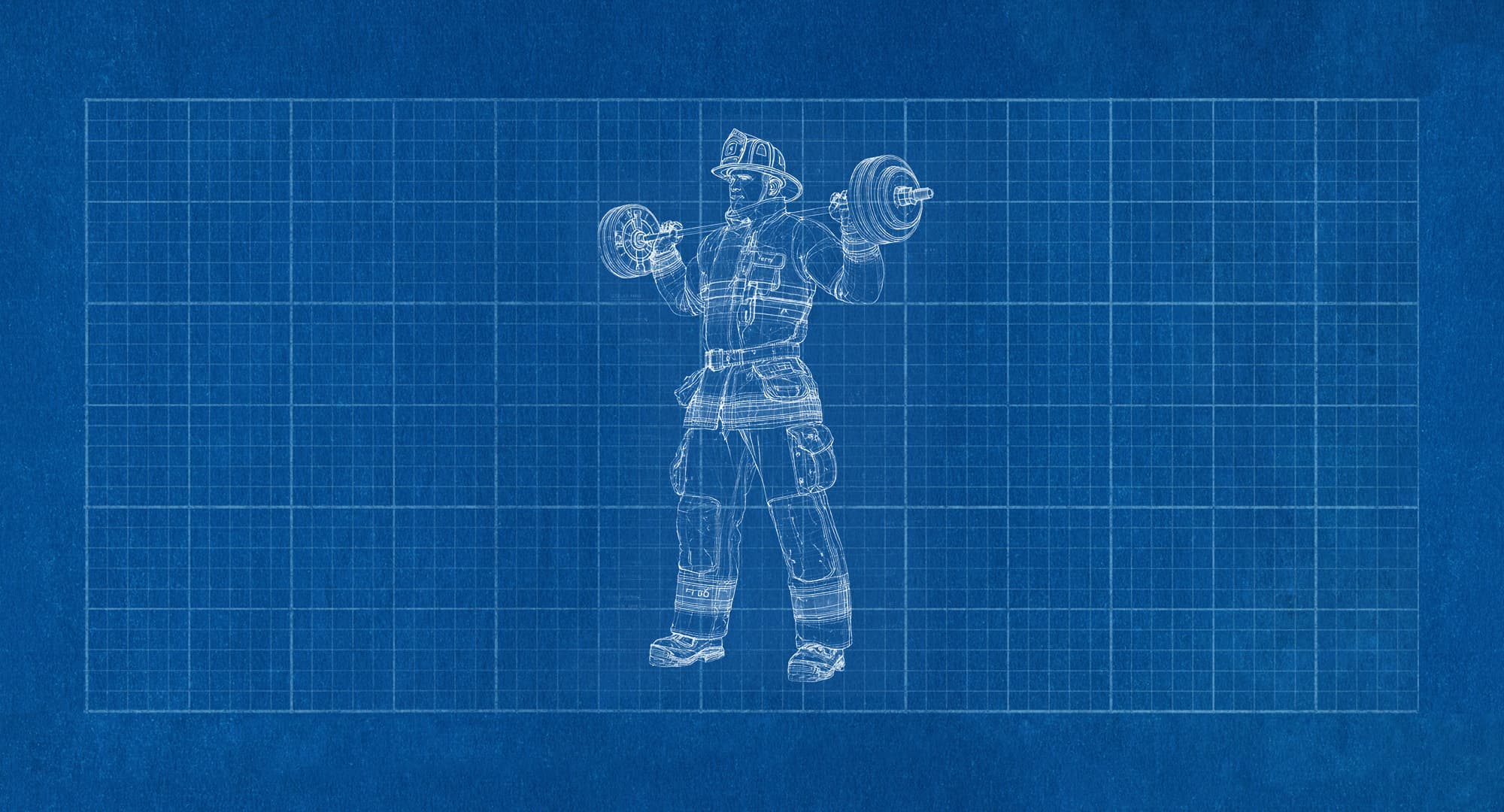

Walk into almost any firehouse after a busy night, and you will see the same scene. A firefighter drags themself out of the bunk room after running calls all night, the bedding twisted into a pile — an accurate record of how little sleep happened. Before breakfast comes coffee, followed by the first energy drink of the day. Then come the familiar lines: “Sleep when you’re dead.” “Sleep is for the weak.” “I only need four hours.”
After shift, that firefighter heads to the gym because that is what big, tough firefighters (BTFs) do. Then it is home to mow the lawn, work a side hustle, coach Little League, help with homework, make dinner, and somehow be present for the people waiting for them.
Volunteer BTFs work full-time jobs — probably close to 50 hours a week — then run calls during their off hours, attend fire department training, complete online training, and contribute the time and energy needed to keep the department running through administrative and maintenance tasks.
This is what we do, right? We show up for the job, then grind through the fatigue on our days off, hoping to recover enough to still have a life. We celebrate the firefighter who never takes a day off, works every overtime opportunity, and volunteers for every extra assignment. Those BTFs make the staffing chief’s life easier, and we salute their commitment and grit.
But we rarely stop to ask what this hustle culture is costing them — or us. What if we are not celebrating resilience at all? What if we are rewarding an environment that is wrecking our health, eroding our empathy, and siphoning the joy out of the job?
Dr. Joel Billings is a leading expert on firefighter sleep. His sleep-quality research offers one of the most unsettling observations I have heard: The worst sleep firefighters get is the night before they go to work. Think about that. Many of us begin a tour already compromised, already carrying sleep debt, already tired before the first tones drop.
Then we ask firefighters to make time-compressed decisions, operate heavy apparatus, deliver complex medical care, and remain patient with the public and with one another. In almost any other profession, those conditions would raise concern. In ours, we often treat them as proof of commitment.
The danger is that most of us do not recognize how compromised we have become. Fatigue rarely introduces itself honestly. It does not walk into the room and announce, “I am exhausted and need help.” It shows up as irritability, cynicism, poor decisions, emotional numbness, a short fuse, poor food choices, overtraining, and, eventually, burnout. We withdraw from our families. We stop laughing at the kitchen table. We lose patience with young firefighters. We detach from the people we serve.
Somewhere along the way, we began confusing the symptoms of exhaustion with the virtues of grit.
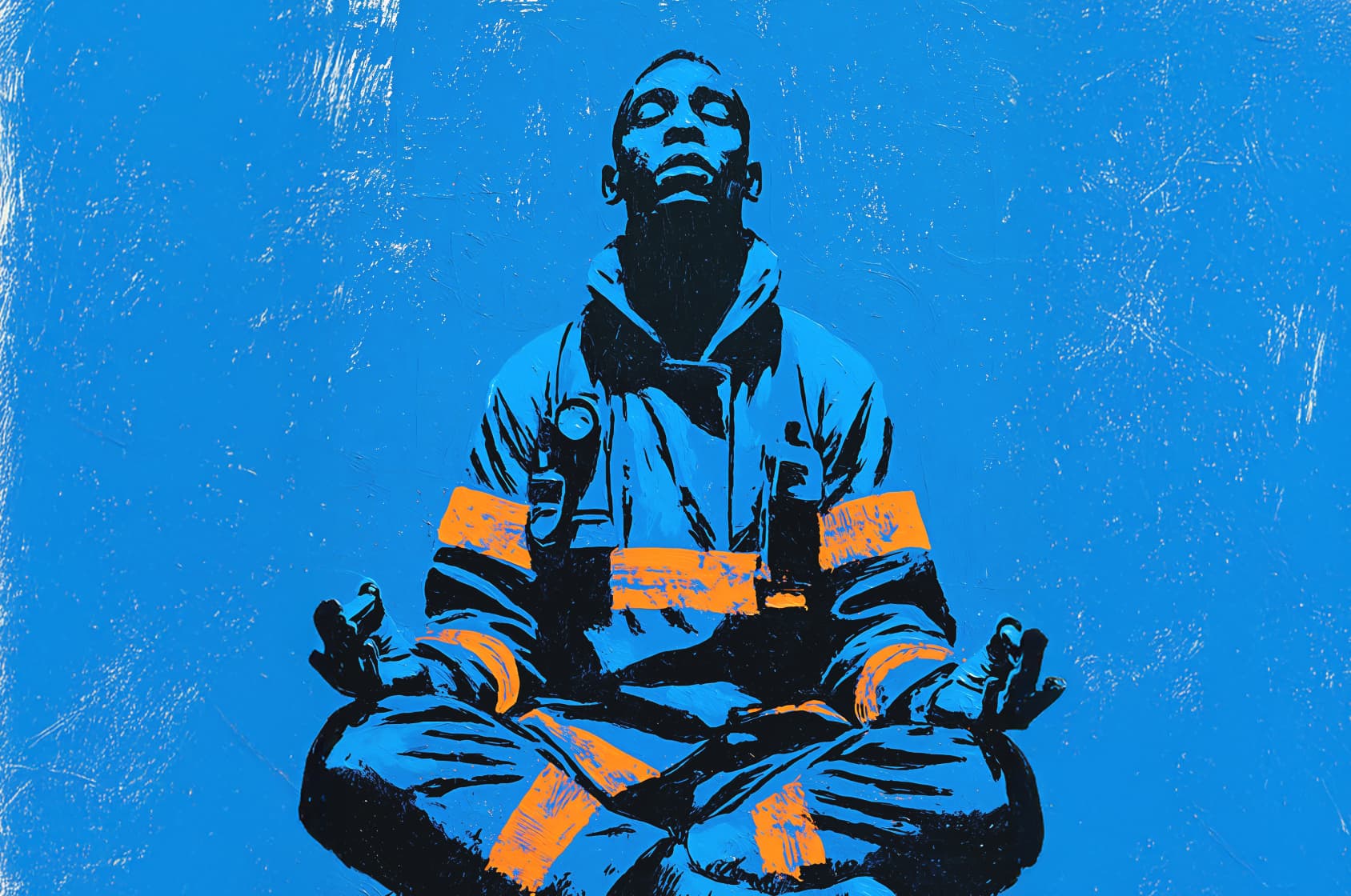
If fatigue is the problem, simply asking firefighters to become tougher cannot be the answer. We need a more complete definition of strength. That is where the idea of a strong back and a soft front comes in.
Author Brené Brown often references that phrase, originally coined by Zen Buddhist teacher Joan Halifax. I have come to believe it may be one of the most useful leadership models for the modern fire service. A strong back means standards, accountability, discipline, courage, boundaries, and technical competence. A soft front means vulnerability, curiosity, humility, compassion, and a willingness to learn.
The fire service is comfortable teaching the strong back. Living with a soft front is much more difficult.
The conversation around firefighter fatigue is becoming more open. As host of the Fireground Fitness podcast, I have had more than 100 conversations with firefighters, physicians, psychologists, military leaders, coaches, and researchers. Despite their different backgrounds, they keep returning to the same uncomfortable truth: the fire service has become remarkably good at surviving fatigue — or at least appearing to survive it — and calling that resilience.
Resilience is the ability to absorb stress, recover, adapt, and return ready to perform. Fatigue is what happens when stress continues to accumulate and recovery never comes. One builds capacity. The other consumes it.
The soft front begins with the willingness to admit that we are not invulnerable. For generations, firefighters have been taught to suppress emotion, power through fatigue, avoid asking for help, and confuse emotional armour with strength. Paige Arnani of Firstgevity Yoga challenged that mindset in podcast episode 93 when she told me, “Vulnerability is actually the true strength.”
That runs against decades of firehouse culture, but it rings true. The strongest firefighters I have known were not emotionless. They recognized when something was wrong and had the courage to say it out loud. They asked for help before a difficult season became a crisis. Vulnerability is not weakness. It is courage expressed honestly.
But a soft front does not mean abandoning standards. In fact, vulnerability makes real accountability possible. Former Army Ranger and fire captain Matt Shields described accountability plainly in episode 89: “If I messed up, I messed up. That’s on me. There is no such thing as an excuse.” A strong back is not about pretending to be perfect. It is about having the integrity to admit a mistake, fix it, and learn from it — especially when you are the chief officer asking others to do the same.
When the strong back and soft front come together, technical competence and human connection no longer compete. Deputy Chief Chris Stewart brought the mission back into focus during the podcast’s 100th episode: “Mrs. Smith doesn’t care how awesome we are. She cares that we treated her and her family with dignity.” Technical competence gets us through the front door. How well we listen, show compassion, and preserve someone’s dignity determines how we are remembered.
Taken together, these conversations suggest that we have been asking the wrong question.
Instead of asking how to make firefighters tougher, we should ask how to keep them healthy enough to remain tough for an entire career.
That is not lowering standards or making the fire service soft. It means taking recovery seriously, protecting sleep when we can, encouraging honest conversations, and creating psychological safety without abandoning accountability.
The fire service of the future still needs firefighters who can crawl through hot, black, smoke-filled hallways, make difficult decisions under pressure, and stand between danger and the communities we serve. It also needs firefighters who can process trauma, admit fatigue, ask for help, mentor with empathy, and return home healthy enough to enjoy the lives they work so hard to protect.
Our greatest threat is not a lack of toughness. It is our unwillingness to recognize when toughness has quietly become exhaustion. If we continue treating fatigue as a badge of honor, we will continue producing burned-out firefighters while wondering why morale, retention, relationships, and mental health suffer.
We can build a profession every bit as courageous as the one we inherited — and healthier, wiser, and more sustainable for those who follow. Keep leaning in. Keep getting after it. Be a big, tough firefighter when the moment calls for one. Just remember: the strongest version of that firefighter has a strong back and a soft front.