
A return to the 9/11 Memorial & Museum with family reveals that remembering is not just about looking back, but about seeing the fire service through the eyes of those who grew up alongside it
Twenty-one days from now, it will be Sept. 11, 2026. Twenty-five years since that morning. Long enough that firefighters serving today weren’t born yet when it happened. Long enough that my own daughters know it as history instead of something they lived through.
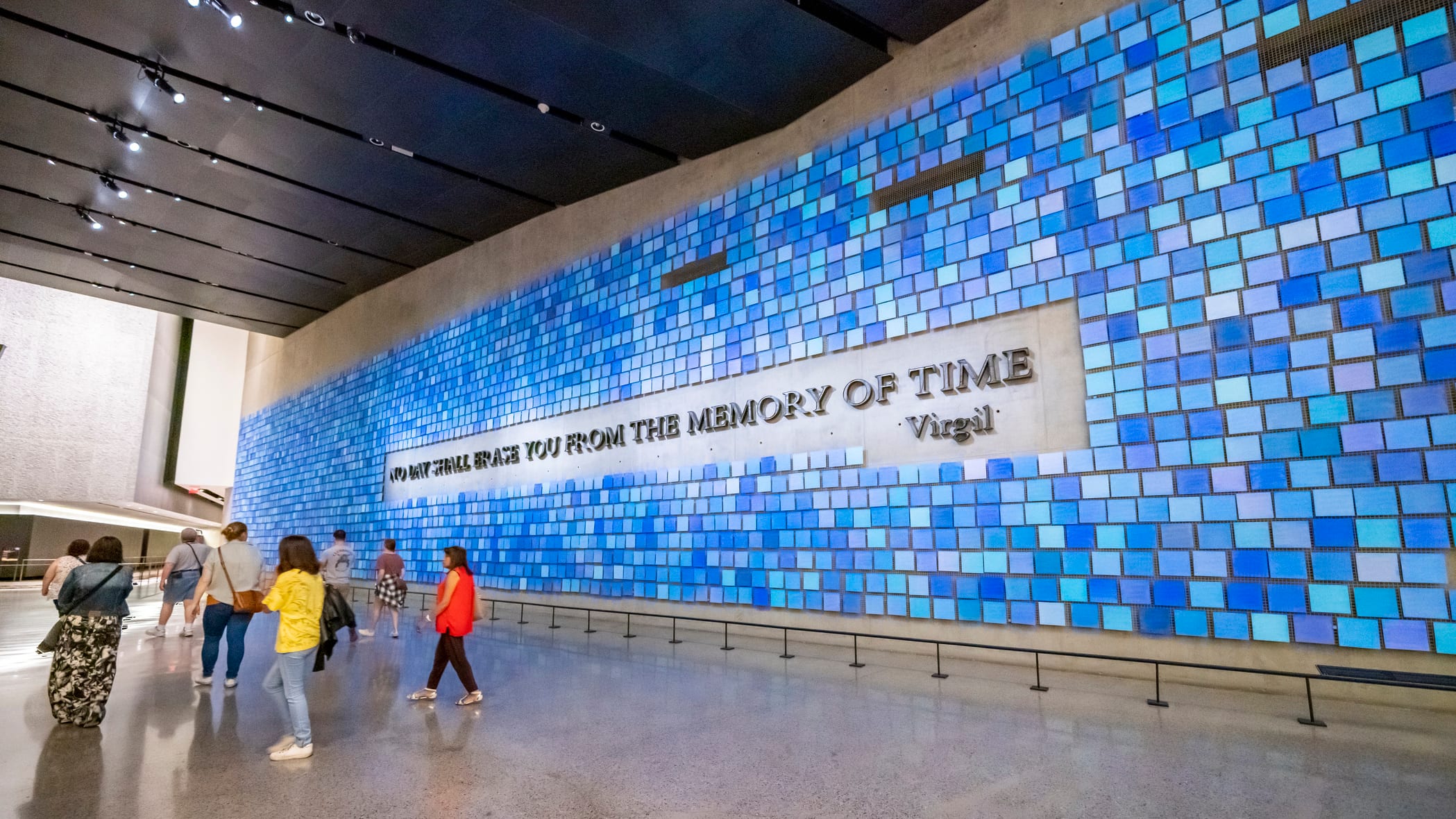
A couple of weeks ago, I took my family to New York City, and one of the places I knew we had to go was the 9/11 Memorial & Museum. I’d been through it once before with five other firefighters, and that visit was shaped by the job and by what we already understood about the fire service. Going back with my wife and daughters completely changed the experience.
There were stretches where none of us said anything. We just stood there. The photographs, the voices, the artifacts. I thought I was taking my family there so they could understand it better. I didn’t expect that seeing it through their eyes would help me understand it differently, too. You can stand in the same place twice, look at the same objects, hear the same stories, and walk away with something completely different because of who is standing beside you.
There’s a philosopher named Martin Buber who spent much of his work examining the difference between simply experiencing something and encountering it through relationship. Walking through the museum with my wife and daughters gave me a completely different understanding of that idea. The exhibits were the same, but I was no longer taking them in only through my own experience. I was seeing their reactions, watching them make sense of what was in front of them, and realizing that their presence was changing the way I understood it too.
Seeing It Through Their Eyes
Somewhere in the middle of it, I told my daughters something I don’t think I’d ever said to them quite this way: they’re part of the fire service, too. They grew up in a firefighter’s family. When one person in a family becomes a firefighter, some part of the job comes home with them. Our spouses live with the schedule, the missed holidays and the things we sometimes bring home without meaning to. Our kids grow up around the friendships and the losses, knowing names that mattered to us even if they never met the people attached to them.
My daughters already knew what 9/11 was. They’d learned about it in school and through conversations over the years, the way every kid does now. But standing in that building was different. They weren’t just adding facts to something they already knew. They were standing where it happened, looking at what was left behind, hearing the voices and taking in the scale of it for themselves.
Firefighters look at 9/11 through the job — tactics, sacrifice, command, communications, loss, brotherhood. My wife and daughters were seeing something else. Watching their faces, hearing the questions they asked and noticing what stopped them in their tracks added something to what I already understood. My daughters and I walked through the exact same rooms and, in a very real sense, didn’t walk through the same museum at all. I saw it through 23 years in this job, through friendships and losses. They saw it as my daughters, having grown up alongside this life their entire lives.
Last week at Fire-Rescue International, I sat down briefly with FDNY Chief of Department John Esposito. We talked about the 9/11 feature CRACKYL ran in our last issue. I built that story around something Fred Rogers said his mother told him when frightening things were happening: look for the helpers.
The Family That Serves, Too
So that’s what we did. We looked at the dispatchers who stayed on the line. The boats that turned the waterfront into an evacuation route. The people of Gander who took in thousands of stranded passengers. Rick Rescorla, whose preparation helped get thousands out of the South Tower before it fell.
When Chief Esposito told me the piece was everything he’d hoped for, I felt something close to relief. Relief that we’d told part of this story with the respect it deserved without ever pretending it was ours to own.
Chief Esposito also talked about the people who came to New York to help after 9/11. He said the fire service is a family — not just inside one department or country, but everywhere. That’s the part I keep coming back to. You don’t have to own the loss to understand the story still needs to be carried. Some people will hold 9/11 in a way the rest of us never will. That doesn’t remove our responsibility to make sure the people coming up behind us know what happened, who it happened to and how many people showed up when it mattered.
We spend a lot of time talking about this job with each other. I’m not sure we spend enough time talking about it with the people at home who have been living beside it the whole time. They hear the stories. They know the names. They see what affects us. Sometimes they understand more than we realize, and sometimes we probably assume they understand things we’ve never actually taken the time to explain.
More Than ‘Never Forget’
The truth is, “never forget” is a phrase. It’s on shirts, apparatus and station walls, and if that’s where it stays, it isn’t doing much. Remembering is different. Remembering is sitting with your family in a museum and talking through all of it — the loss, the helpers, the decisions, the mistakes and what this job can cost people long after the call is over. My daughters saw a piece of the fire service that day that I could never have explained sitting around our own kitchen table. We don’t keep these stories alive by repeating the same words every September. We keep them alive by talking about them with the people sitting beside us, hearing what they see in them, and letting their perspective change ours, too.