
What’s something you can provide that firefighters can’t refuse?
Every product, program, organization, or new idea we bring into the fire service eventually has to answer the same question: why should somebody care enough to change what they are already doing?
We spend a lot of time talking about what we built, who created it, what the research says, how much work went into it, and why we believe it is better. All of that has a place, but the person on the other side of the pitch is still trying to figure out what any of it means for them. Maybe we have the hero in the wrong place.
Aristotle was writing about the basic architecture of a story long before Joseph Campbell gave us The Hero with a Thousand Faces, and you see versions of that architecture everywhere: Star Wars, Harry Potter, Rocky. Someone starts in one place, something stands in their way, they meet a guide, they are introduced to another possibility, and eventually they decide whether to move toward it. That is worth stealing for the fire service.
If we are designing a cancer program, launching a wellness initiative, growing an organization, developing technology or selling a piece of equipment, the thing we are offering should probably never be the hero. The firefighter should be — and yes, we all know how much firefighters love being called heroes. So in this case, let’s call them the champion. The organization is the guide — the Obi-Wan, the Hagrid, the Mickey in Rocky’s corner — the thing that helps someone move from where they are toward somewhere better. That changes the whole way you make the pitch.
Put the Firefighter at the Center
Take any organization trying to grow its membership. It would be easy to lead with the organization itself: what it has accomplished, how long it has existed, how many people it represents. But the person you are trying to reach probably is not thinking about any of that. They are thinking about where they fit, what they need, what they are struggling with or what they want to become. Their story needs to come first. Put them at the center of it. The organization serves as the guide, connecting them with people, resources, experience and a community that can help them move forward.
The same idea applies to something as practical as gear cleaning. Do not start with the machine, the chemistry or the company. Start with the firefighter after a fire, standing there with contaminated gear. What is the problem? What is the obstacle? Maybe it is the particulates still lingering in the gear, or the old assumption that the way we have always cleaned it is good enough. Then show them a better way and give them a reason to make the switch.
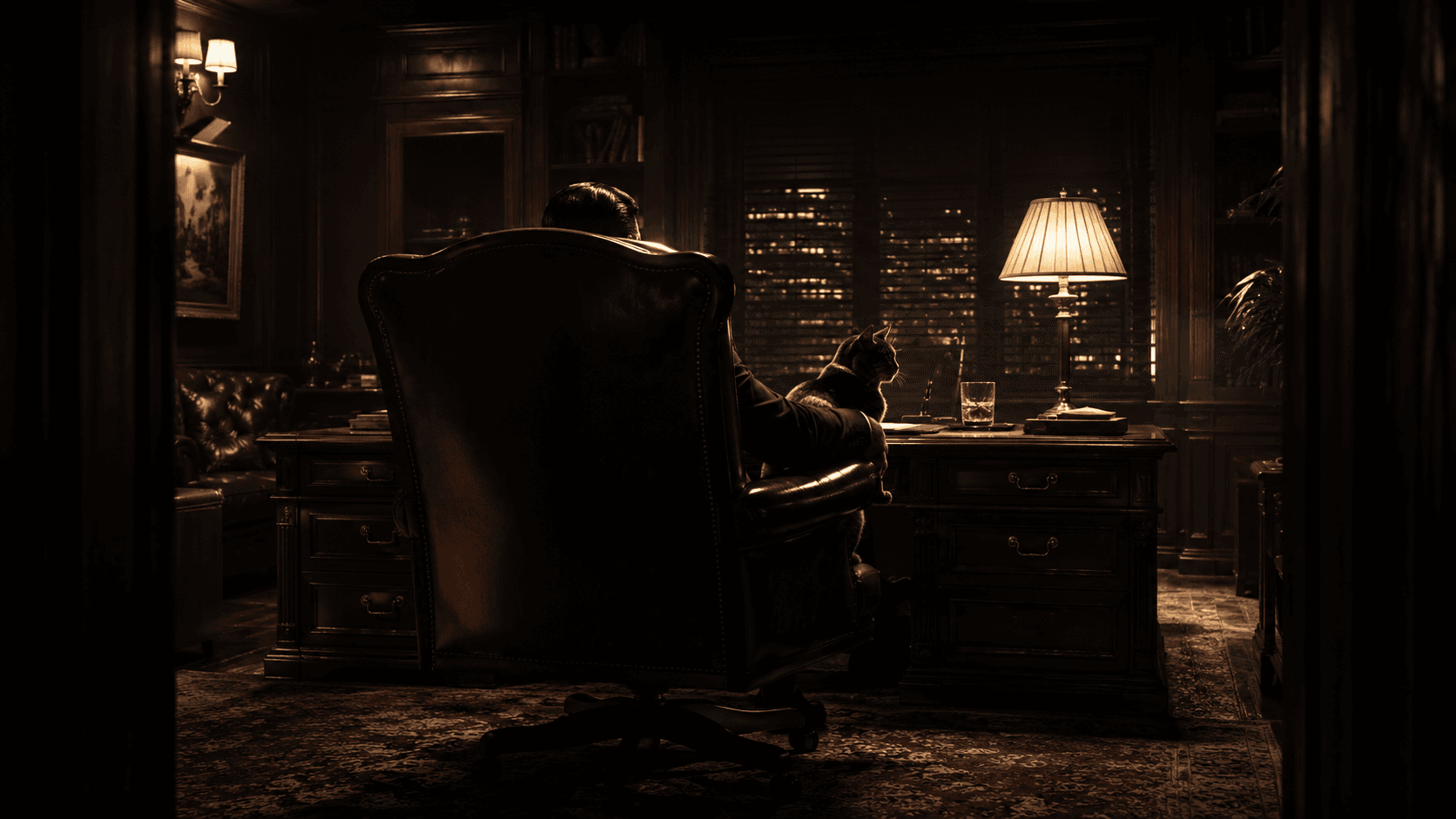
Across both examples, the job is the same: understand the person, identify the problem, show them a better path and make the next step obvious. In Theory of Constraints circles, that last piece is called the Mafia Offer — the offer that makes so much sense that when somebody looks at it they think, “Why would I keep doing it the old way?”
It’s really about making sure the thing does what you say it does, then finding a better way to show people why it matters to them.
Getting Above the Noise
That matters even more as the fire service keeps producing better research, programs and tools around cancer prevention, behavioral health, technology, fitness, leadership and training, while an unbelievable amount of information is coming at firefighters from every direction. Everybody is trying to get above the noise, as I like to say. CRACKYL is not exempt from this — we are trying to reach firefighters with ideas and resources we believe can help them, and we are no different from anyone else trying to get something worthwhile in front of those who may actually benefit from it.
For CRACKYL, that offer might sound something like this: Becoming the best version of yourself on the fireground does not happen by accident. How long you serve and the quality of that service will be shaped by more than what happens on the job. It comes down to the choices you make, the boundaries you set, the expectations you have for yourself, the habits you build, and how well you protect the people and parts of your life that matter most. The job may be what you want, but the firefighter you become is ultimately a byproduct of the life you build around it. Learn to build before you are forced to repair.
There will always be early adopters: people already convinced the problem exists, already searching for the answer. They are at the conferences, reading the studies, following the researchers, willing to try something first, and if it works, they become champions for it.
The bigger nut to crack is the group behind them — the firefighters who are not at the trade shows or conferences, not part of an association, not paying much attention to the research. They go to work, do the job, go home and do it again. They may never hear about the solution. Or they may hear about it and never see enough of themselves in the pitch to care.
Improve the Story, Not Just the Solution
We may have spent years improving the solution without putting the same effort into improving the story around it. We explain what something does, why it is better, who created it and what the science says. Maybe we need to spend more time showing people where they are in the story: here is where you are now, here is the problem in front of you, here is what it may be costing you, here is another way, and here is what could change.
I am not pretending this is a new theory. Business has used versions of it forever, and storytelling has done it for thousands of years. I am interested in what happens when we start applying those ideas more deliberately to the fire service.
We have really smart and committed people creating great things, and organizations building communities that did not exist a generation ago. In many cases, we have already done the hard part. We built the thing, proved that it works, and created the community around it. The challenge now is getting it into the hands of the firefighter who actually needs it. We may have built the better mousetrap, but if we cannot help people see why it matters to them, it is just a better mousetrap. The story is what makes the difference. Make the firefighter the champion, and help them see themselves getting past the problem they have been trying to solve.
The truth is, we may already have many of the solutions we need. The bigger question is whether we are telling the story in a way that helps the firefighter, the member, the customer — whoever we are trying to reach — recognize themselves in the problem and see what could be different.
That may be the real work of figuring out your Mafia Offer. The solution may stay the same, but the person standing in front of it can have a thousand different faces. If we want more people to adopt the programs, join the organizations, use the tools, or change the habits we believe can help them, we have to get better at telling the story from where they are standing. The offer they cannot ignore is the one that finally feels like it was meant for them.