
Strategies to help you protect your sleep, improve recovery, and be prepared for the next call
Sleep is an important part of feeling rested, recovered, and ready for what’s next. But for firefighters, demanding schedules, stress, and an unpredictable routine can make getting consistent, quality rest more challenging.
You can’t always control what the day brings, but you can create better conditions for sleep. From your bedroom setup to how you wind down, small changes can help you protect your rest and make the most of the time you have.
Here are five places to start.
1. Create a Sleep Environment That Works for You
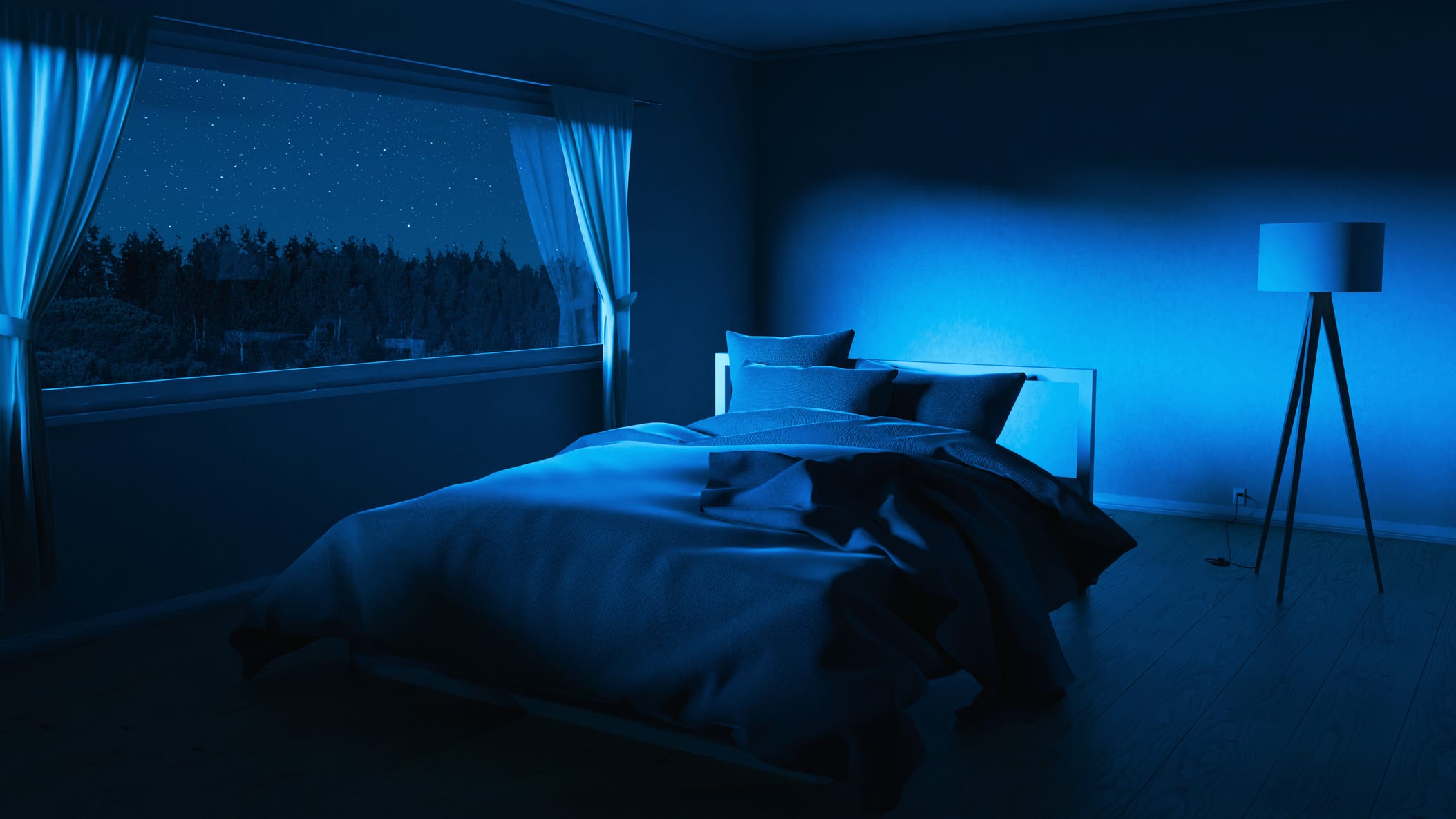
Your bedroom should make it as easy as possible for your body to settle into sleep. Start with the basics: keep the room cool, dark, and comfortable.
If outside light makes its way into your room, try blackout curtains or a sleep mask. Cover or dim small sources of light from electronics and chargers, and keep bright screens out of your direct line of sight.
Temperature matters, too. A cooler bedroom is generally more conducive to sleep, so experiment with your thermostat, bedding, or a fan to find what feels comfortable for you.
Finally, look at the things within your control. A supportive pillow, comfortable mattress, clean bedding, and a room that feels calm rather than cluttered can all help make your bedroom a place you associate with rest.
2. Minimize the Noise That Interrupts Your Sleep
You may be able to make your bedroom dark and comfortable, but sound is often harder to control. A snoring partner, pets, traffic, neighbors, or other unexpected noises can quickly become sleep disruptors.
Start by addressing what you can. Close windows, silence unnecessary phone notifications, move noisy devices away from the bed, and use soft furnishings like rugs or curtains to help reduce outside sound.
For noise you can’t control, masking it can help make those sudden changes in sound less noticeable.
Ozlo Sleepbuds® 2 are tiny, comfortable earbuds designed specifically for sleep. They combine passive noise blocking with soothing, noise-masking sounds to help reduce disruptive nighttime noise. Their ultra-low-profile design is made for comfortable all-night wear, including for side sleepers.
You can also stream your own audio to wind down and use a private in-ear alarm when it’s time to wake up without disturbing the person next to you.
3. Give Your Brain Time to Wind Down
Getting into bed doesn’t automatically mean your brain is ready to sleep, especially after a demanding or stressful day.
Instead of expecting yourself to switch immediately from “on” to asleep, create a short transition between the two. It doesn’t need to be an elaborate nighttime routine. Even 20 or 30 minutes of quieter activity can help establish a consistent cue that the day is ending.
Dim the lights, take a warm shower, stretch, read, or listen to a relaxing podcast or audiobook. If your mind tends to run through tomorrow’s responsibilities once your head hits the pillow, try writing down your to-do list before getting into bed.
Try to keep the routine simple enough that you can actually stick with it. Consistency is more useful than creating the “perfect” bedtime routine that only happens occasionally.
4. Be Strategic About Caffeine
Coffee and energy drinks can be helpful when you need to stay alert, but caffeine can stay in your system much longer than the initial energy boost.
Pay attention not only to how much caffeine you’re consuming, but when you’re consuming it. If you regularly have trouble falling asleep, experiment with moving your last caffeinated drink earlier and see whether you notice a difference.
It can also help to look beyond coffee. Energy drinks, pre-workout supplements, tea, soda, and even chocolate can contain caffeine, so your total intake may be higher than you realize.
There isn’t one cutoff time that works for everyone. Your schedule and sensitivity to caffeine matter, so pay attention to your own sleep and adjust accordingly.
5. Protect Your Sleep Like You Protect the Rest of Your Routine
It’s easy for sleep to become whatever time is left at the end of the day. Treating it as something worth protecting can help keep other habits from gradually eating into your rest.
When possible, give yourself a realistic bedtime instead of waiting until you’re exhausted. Put your phone on Do Not Disturb when appropriate, turn off notifications that don’t need your immediate attention, and communicate with the people around you when you’re trying to protect your sleep.
Try to keep your sleep and wake times reasonably consistent when your schedule allows. If your routine does change, return to the habits you can control: a dark room, less noise, a comfortable temperature, a wind-down routine, and enough time set aside for rest.
You put a lot into every shift. Give your sleep the same attention.
Better sleep. Better recovery.
CRACKYL readers can use code CRACKYL for 15% off Ozlo Sleepbuds 2.