
When the towers fell, it wasn’t just steel and concrete that went down. It was also the system underneath it. Lower Manhattan was full of infrastructure. Financial exchanges, trading firms, data centers, and dense fiber-optic cable corridors all existed within a few city blocks.
When the World Trade Center collapsed, it severed critical communication lines carrying massive volumes of financial data.
Markets didn’t just pause because of shock. They paused because the network itself was broken.
For a moment, the world lost a point.
In the days immediately following the attacks, telecom crews, engineers, and emergency teams moved into Lower Manhattan with a clear objective: re-establish communication — fast. There was no time to rebuild what had been lost.
The approach shifted to bypassing damaged infrastructure and creating new pathways.
Companies like Verizon Communications and AT&T — both with major network presence in the area — became central to that effort, working alongside city agencies and private-sector partners to restore connectivity.
Temporary command posts were set up. Equipment was brought in.
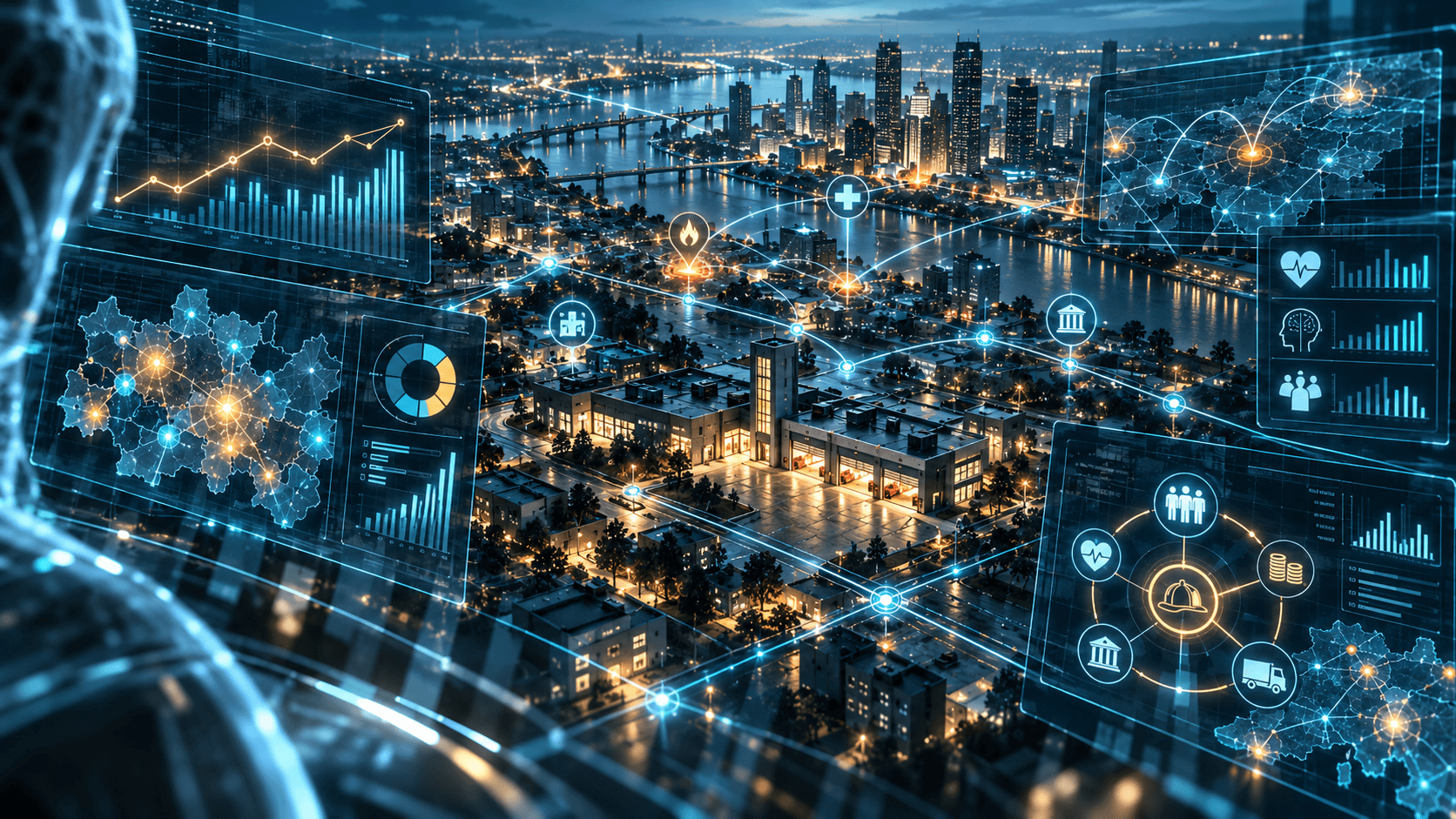
Crews ran new fiber connections between surviving buildings and operational exchanges — through interiors, across streets, wherever it would work. Improvised networks took shape as data was rerouted and backup systems came online.
Within days, enough of the system was restored to support the reopening of financial markets — one of the most complex coordinated restarts ever attempted.
For firefighters, this isn’t a technology story. It’s a systems story.
The New York Stock Exchange remained closed until Sept. 17 — not only out of respect, but because the system had to be brought back to a level where it could handle the load.
Crews worked inside a damaged environment, with incomplete information and no margin for delay.
They stabilized what they could, rerouted what they had to, and built something functional under pressure.