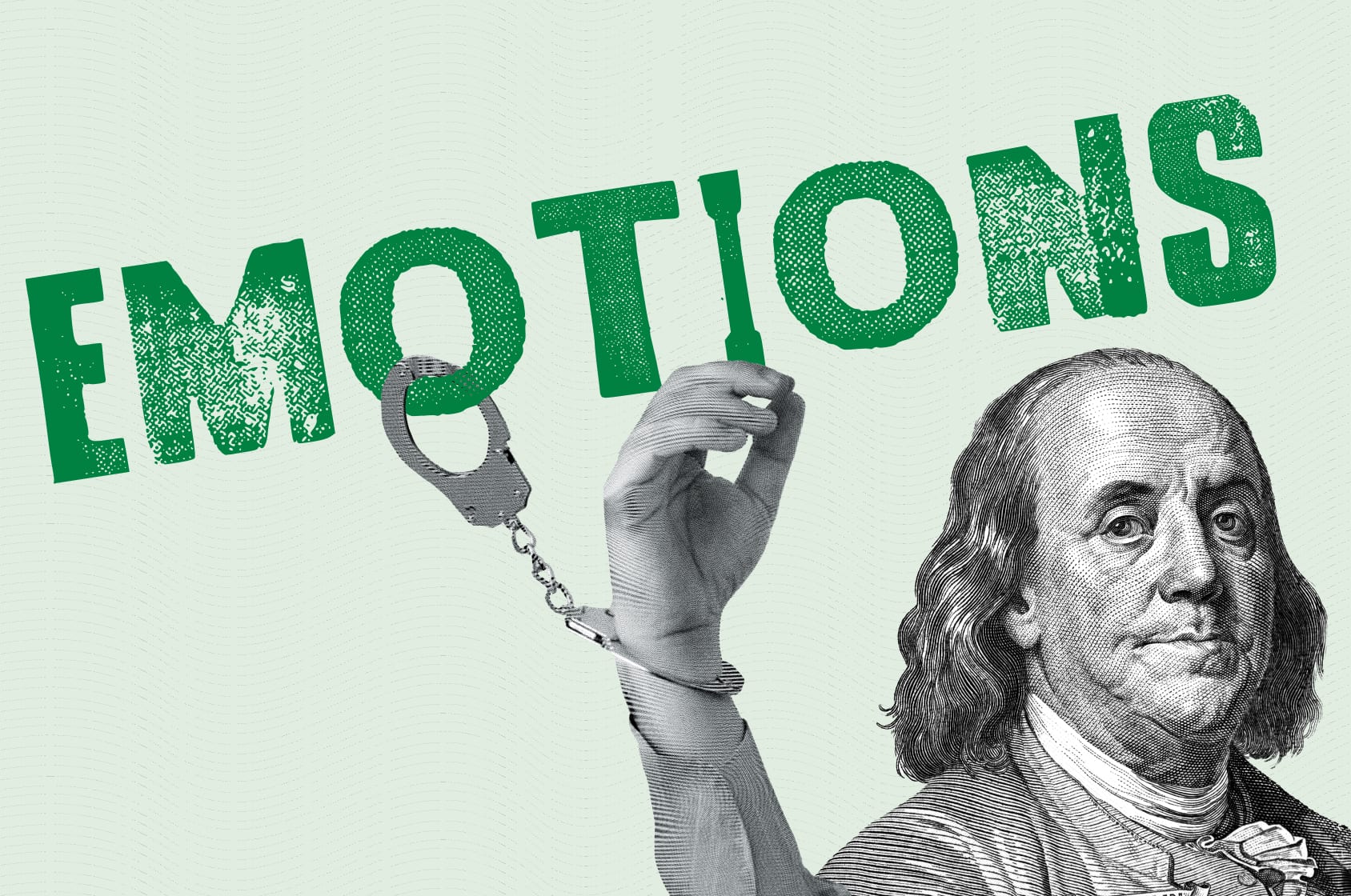
Money is a powerful force in our lives, impacting our decisions, our relationships and even our sense of self-worth. And many of us have a complicated relationship with money.
How we think about and manage our finances can be closely tied to our emotions. From the joy of receiving a paycheck to the anxiety of paying bills, our emotional responses to money can shape our financial behavior in profound ways.
One of the key feelings that comes into play is fear: fear of not having enough, fear of losing what we have, and fear of not being able to provide for ourselves or our loved ones. This can lead to hoarding behavior, causing us to hold onto money tightly and be reluctant to spend it, even when it might be in our best interest to do so.
At the other end of the spectrum is greed, an emotion that can lead us to take unnecessary financial risks, gambling on high-risk investments or engaging in speculative behavior in the hopes of achieving greater financial gain. This can sometimes lead to serious financial losses, as the desire to have more overrides our rational judgment.
In the fire service, we often see firefighters work multiple jobs on their off days. Are they sacrificing time with family and time resting from the job because they don’t earn enough to make ends meet? Or, are there other emotional motivations at play?
Shame is another emotion that often arises when we feel we’re not living up to societal expectations or even to our own standards. Feelings of inadequacy or unworthiness follow, which can in turn impact our financial decisions and behaviors.
We often make frugal resolutions that will help us save and spend judiciously. We’ll make our lunches, for example, instead of buying them. And those resolutions last for a few days until something comes up and we’re too busy or too tired to put that PB and J together. We buy our lunch that day, and the next and the day after that – and we feel guilty about abandoning our resolution. To quell that disappointment, we pull out our phone and order that new putter from Amazon … and we feel a bit worse.
Psychologist Purdy Gourguechon writes about our emotional connection to money for Forbes.
“Shame is one of the most common and powerful emotions associated with money and personal finance,” she writes. “It is a prime reason people avoid doing what they know they should.
“Too often, financial therapists encounter black-and-white beliefs about debt that people internalize into their self-worth.”
Finance experts Nathan Astle and Gourguechon agree. Astle writes: “Cultural messages about what debt means usually lead to feelings of isolation because there aren’t many places to talk openly and honestly about debt and its effect on our lives.”
Gourguechon writes that it is crucial not to give in to the short-term anxiety relief that avoiding an unpleasant topic or task – such as financial planning – gives us. Getting that quick reward for avoiding something makes us prone to relying on avoidance for the short feel-good boost. This, of course, only compounds our anxiety about money matters.
Tackling that task will raise short-term anxiety, but stop that piling on of anxiety once the issue is addressed, she writes.
Our self-esteem can be tied to our finances. For many people, money is a measure of success and self-worth, which can lead to a cycle of seeking validation through material possessions or financial achievements. Rarely does this bring fulfillment.
Understanding and managing our emotions around money is crucial for achieving financial well-being. One way to do this is through mindfulness, which involves being present and aware of our thoughts and feelings without judgment. By practicing mindfulness, we become more aware of our emotional triggers surrounding money and can respond constructively.
Examining our beliefs and attitudes about money is a key step in managing our financial emotions. Many of us inherit beliefs about money from our families or from our society – and these ideas may not serve us well. By questioning these beliefs and adopting more positive and empowering attitudes towards money, we can begin to reshape our relationship with it.
Financial education is also key. Many people struggle with money because they lack the knowledge and skills to manage it effectively. By educating ourselves about basic financial principles, we can gain the confidence and competence to make sound financial decisions.
Again, not understanding personal finance can elicit feelings of shame and anxiety. Putting off that learning will provide short-term anxiety relief. Of course, like credit card debt, the anxiety interest will continue to compound if not paid off.