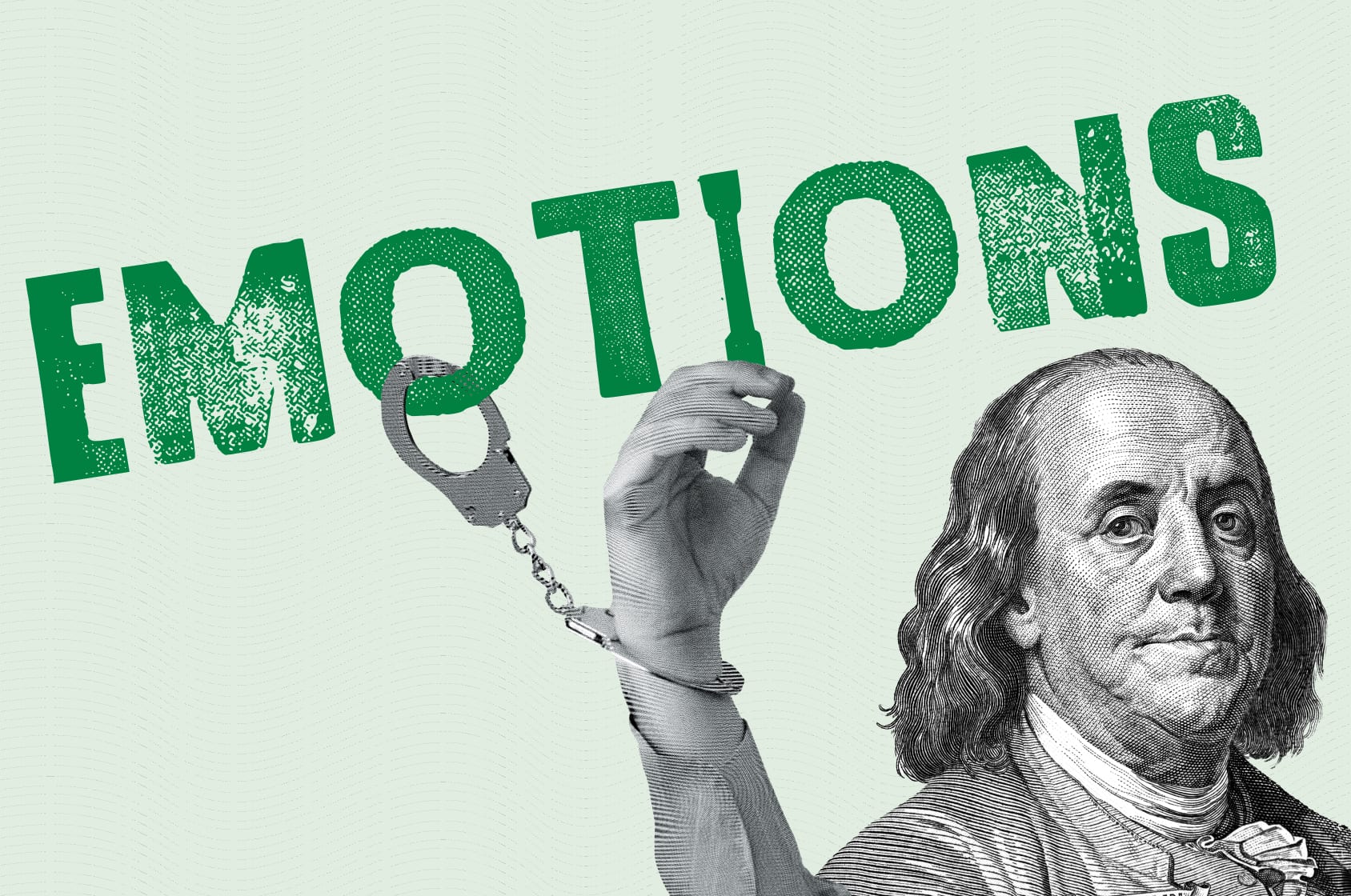

You’ve spent 25 years running toward emergencies. Don’t create one in your final stretch
Five years before retirement should feel like a victory lap. The kids are grown. The pension is finally taking shape. The mortgage may be shrinking instead of growing. For the first time in decades, retirement stops feeling like a distant destination and starts feeling real.
And that’s exactly when many firefighters make one of the most expensive financial mistakes of their careers: they buy something big. Maybe it’s a lake property they’ve always wanted, the shiny new truck they’ve been eyeing for years, or a business venture they’ve been planning since their rookie days.
After years of hard work, the reasoning feels justified. “I’ve earned it.”
The Final 5 Years Matter More Than the First 20
Most firefighters spend decades building toward retirement. They contribute to pension plans, invest when they can, pay down debt and gradually create financial stability for themselves and their families. Then retirement finally comes into view.
Instead of simplifying their finances, many firefighters begin adding new obligations. A firefighter who has carried a manageable mortgage throughout their career suddenly takes on a new 20-year loan at age 52. Someone who has finally accumulated meaningful savings decides to purchase a vacation home. Others pour substantial amounts of money into businesses they plan to operate after retirement, often underestimating the time, stress and financial investment required to make those ventures successful.
The issue isn’t the purchase itself, it’s risk and timing.
Five years before retirement is not the same as 15 years before retirement. You simply have less time to recover from a financial setback. A major purchase that creates little concern during your peak earning years can become a significant burden once you’re relying on a fixed retirement income.
Potential Expenses
Many firefighters assume retirement will feel financially similar to their working years. For some, that’s true, but for many others, it isn’t.
Even with a strong pension, several things often change at the same time. Overtime disappears. Side-job income may decline or vanish entirely. Health-related expenses can increase. Inflation continues to chip away at purchasing power. Markets fluctuate. Family obligations remain.
The truck payment, cottage mortgage or business loan that seemed manageable while working full-time can feel very differently when your income changes. What appeared affordable at age 50 may feel restrictive at age 55.
That’s why the years leading up to retirement deserve a different financial mindset. The goal should no longer be accumulation at all costs, but preserving flexibility.
The Dream Property Trap
It’s a story financial planners hear repeatedly. A firefighter spends years dreaming about retirement at the lake. They picture fishing in the morning, quiet evenings on the dock, and family weekends at the cottage. Five years before retirement, they finally pull the trigger and buy the property.
Initially, everything looks fine. They’re still earning a full salary and often supplementing it with overtime. The payments fit comfortably into the household budget. Then reality arrives.
Property taxes increase. Insurance premiums climb. Maintenance becomes constant. The roof needs replacing. The dock requires repairs. The septic system fails. Fuel costs rise. What started as a retirement dream gradually becomes another source of financial responsibility.
Lifestyle Inflation
Many firefighters eventually earn very good incomes. Promotions happen, overtime opportunities increase, and side businesses often gain traction over time. For dual-income households, earnings can grow substantially during the final decade of a firefighter’s career.
The danger lies in assuming that today’s income will continue indefinitely. As earnings rise, so do expectations. A slightly larger house starts to feel normal. The newer truck becomes a necessity rather than a luxury. Annual vacations become part of the family’s routine. These changes happen gradually.
But when long-term financial commitments are built around peak earning years rather than retirement income, many firefighters, upon retiring, discover that secondary employment or promotional pay that no longer exists is what supported parts of their lifestyle.
As retirement approaches, flexibility becomes one of your most valuable assets. The fewer financial obligations you carry into retirement, the more freedom you’ll have to make choices based on what you want to do rather than what your monthly payments require. Debt, particularly new debt, can erode that freedom.
Consider This Question
Before making any major purchase within five years of retirement, ask yourself: Will this decision make retirement easier or harder? In other words, will it reduce financial pressure? Will it provide more options? Will it increase your freedom or reduce it? Will it allow you to retire on your schedule rather than forcing you to work longer than planned?
If the answer isn’t immediately clear, it’s worth taking a second look.
You Don’t Have to Give Up Your Retirement Dream
A firefighter five years from retirement can absolutely buy the lake property, the RV, the dream truck, or even start a business. Again, the danger is making the purchase without understanding what it’s doing to your retirement.
Retirement isn’t just about preserving money, of course, it’s about enjoying the life you spent decades building. If you’ve always wanted the cottage, the RV or the fishing boat, there may be a perfectly reasonable way to make it happen.
For example, it might mean retiring a year later, carrying debt longer than planned, or accepting a lower level of financial flexibility. None of these choices are inherently bad. In fact, many retirees make those choices intentionally and have no regrets. The problem arises when the purchase is viewed only through the lens of what it adds to your life and not what it might take away.
Financial flexibility is one of the most valuable assets you can carry into retirement. It gives you the ability to adapt when unexpected expenses arise or when your priorities change. The more fixed obligations you bring into retirement, the fewer options you may have if life throws you a curveball.
You can still spend money on things that matter to you. The goal is to make sure those purchases support the retirement you’ve envisioned rather than reshaping it.