You can act big even if you are small
Recently, I had the chance to read Chief Frank Leeb’s article, Room 235 and The Weight of Leadership. It made me think of the impact leaders can have, and the importance of an organization’s history as it relates to its culture. If you haven’t read the article, I would encourage you to do so.
My experience has not included a LODD, but I have worked hard in my organizations to build a culture that will stand the test of time. Leaders should ask themselves if they are taking actions now that will have an impact after they leave. Are the leaders being transformational, leaving a lasting positive impact, or are they being transactional, living in the here and now?
The size of your organization has little to do with the quality of your culture. Sometimes we convince ourselves that only large departments have the resources to develop a strong culture. I see this as a defeatist attitude and not helpful to your community. If you believe deeply in something and are willing to do the work, you can make lots of things happen. Dreaming does not produce results. Vision and effort are the key ingredients in making your department one that people will want to join.
Build Culture From the Start
Following are a few tools I have found to be helpful in building a positive, lasting culture.
How people enter an organization shapes the future they will have within your department. In previous organizations, I used a peer review committee as part of our hiring process. Members were selected from all operational ranks and used a set of questions and a common grading scale to rate our applicants. I found this beneficial for two reasons. First, our operational personnel lived our culture 24 hours a day, seven days a week, 365 days a year. These people knew exactly what it took to be successful in the department we were building. They are the ones who would ride the rigs with our new hires, so they were totally invested in finding the right people.
The other reason I used this method is that it developed an “our organization” mentality. Our people were involved in shaping the department from Day 1, choosing who would be allowed to wear our badge and patch. Our firehouses now had a direct tie to headquarters and were partners in the process of building our organization.
A strong organization is one that has a strong foundation. Many organizations depend on regional fire academies to produce certified firefighters who the organization then hires. This is not a bad strategy for small departments with limited budgets, but there is also a problem. The academy where your new members are trained probably does not mirror your operational environment. Your members must be proficient with your equipment, your staffing, your response local and a whole host of other items you cannot expect the academy to replicate. Acknowledging these facts, several of my previous organizations decided to address the issue and do their own in-house academy.
Running an academy is a serious undertaking, but an organization’s size does not take this option off the table. In Cherry Hill, one staff member was dedicated to run an academy with 16 recruits. The training division and the on-duty companies supported the academy, but the day-to-day operations of the academy, scheduling and course design, coordinating resources, and interacting with the other department divisions were left to a sole officer. In Sunrise Beach, the entire staff of the fire district totaled 12 firefighters and officers, but we were still able to run a four-week academy. These programs focused on the exact skills a firefighter needed to have to function in the environment in which they would work.
Create Shared Experiences
The academy did two important jobs for the departments. The first one was to build shared experience for all members of the organization. Several events were common in all our academies. Everyone who went through our academy completed the “Ant Farm,” the “Hurt Locker” and our “Graduation Run” to name a few. If you wear our uniform, you know about these events.
Conversations would come up at the kitchen table about someone’s class and its night at the “Hurt Locker.” The other members at the table could relate to this experience and now all the members can share in a conversation about a fundamental element of the organization.
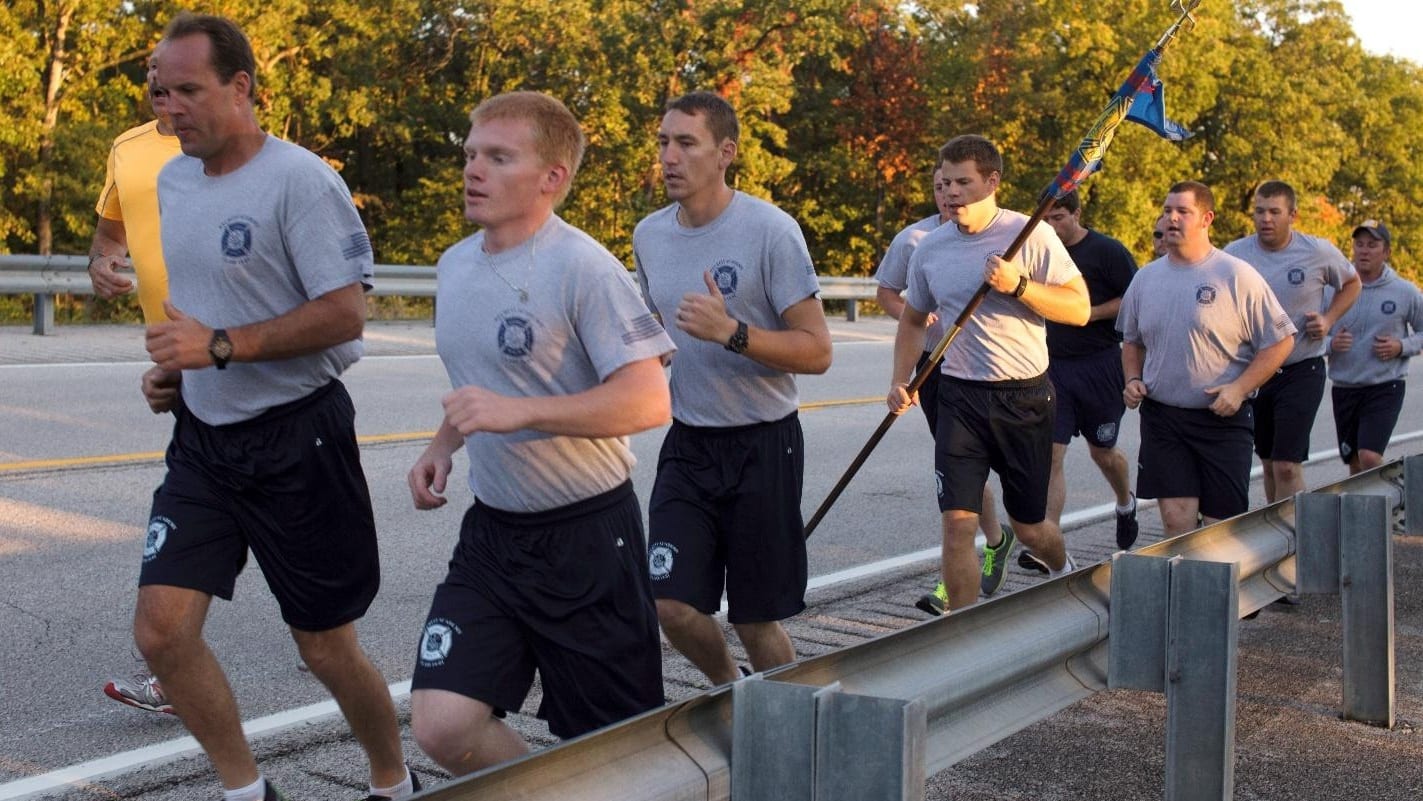
On the last day of the academy, the recruits would go for their final run. At the turn-around point, members from the previous classes would be there to lead the class back “home.” The emotional impact of this is strong; recruits have been on the verge of tears when they made it back to the training center. If you want a strong culture, then your people must have an emotional tie to what you are building.
The second thing our academy did was to pressure test our new members. Often a regional academy is more about passing a certification exam and less about building firefighters who can operate in tough situations. Many of the exercises in our academies were difficult and uncomfortable experiences. We decided it was better to see if our new hires were mentally tough enough for the rigors of this profession at the training center, not at someone’s house fire with their loved ones trapped inside.
The recruits did not complete any of these exercises alone. Staff members always worked through the exercises with them. We felt this was just as important as the “pressure test” for the recruits. Our organizations believed in leading from the front, so it was common to see a chief officer going through these exercises with the recruits. Any member detailed to the academy was expected to do everything the recruits were required to complete. We live as a team, and every member of the team is expected to be able to perform. If you want to build a strong culture, then every piece of the culture must be part of the process.
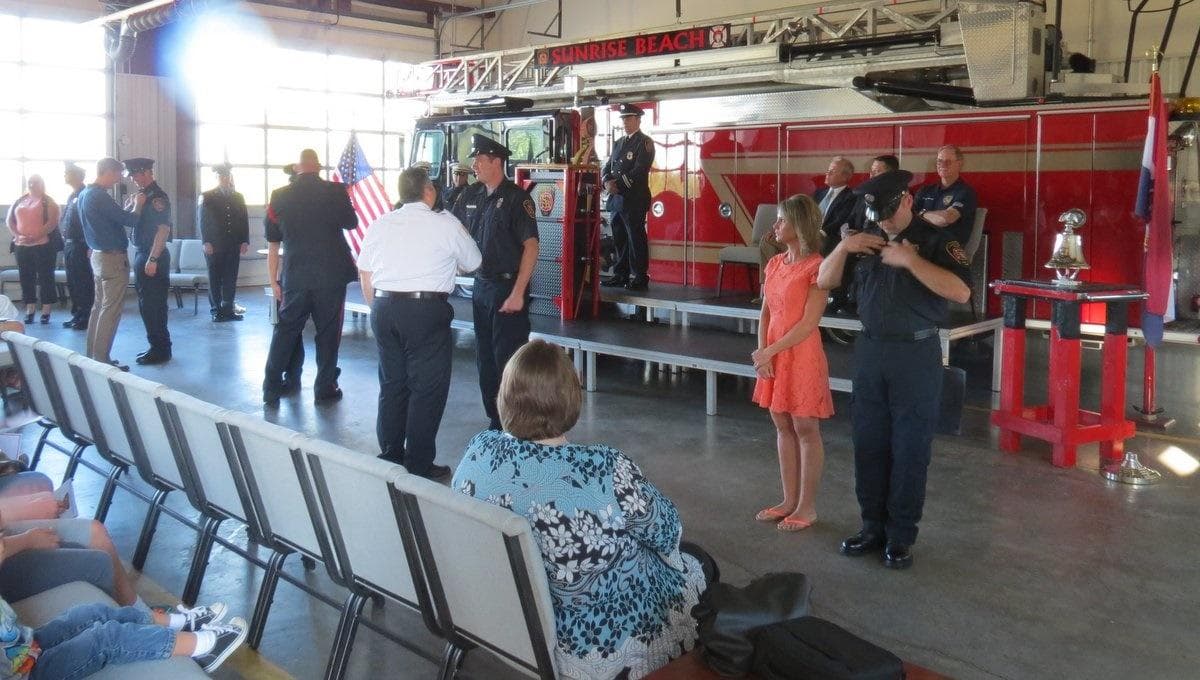
The last part of the academy process was to celebrate our new members’ success and commemorate this in a long-lasting way. Every academy class had a formal graduation ceremony. The new members worked hard, and the ceremony was a way to recognize their work and welcome them to the fleet. This was a Class A event and many off-duty members would come to say welcome.
Make Traditions Meaningful
Anytime we could, we would include bag pipes at the ceremony. We tried to make a big production out of the graduation because this is a career milestone. This is the time when a recruit becomes a probationary firefighter.
The ceremony includes the oath of office and badge pinning. We encouraged our new members to bring a Bible that is significant to them. Some recruits brought a family Bible that had been passed down through generations. The ceremony is a fire department event, but we understand the importance of family, so we did this to bring their fire department family together with their own.
As part of the ceremony, the recruits presented some type of plaque to the fire department. Years after the first academy, the halls of fire department headquarters are lined with plaques and class pictures. You can find current chief and company officers in their recruit class pictures. This small act sends a powerful message: if you buy in to who we are and work hard, there are real opportunities for you here. If you want a strong culture, then prove to your people their work has value and will pay off.
Culture is the foundation of a strong organization. Size doesn’t matter, identifying the steps to achieve the desired outcome and willingness to do the work to get there are what matters. You can act big even if you are small.