A recent symposium put an often-overlooked aspect of firefighter readiness in the spotlight: the long-term health of firefighters themselves.
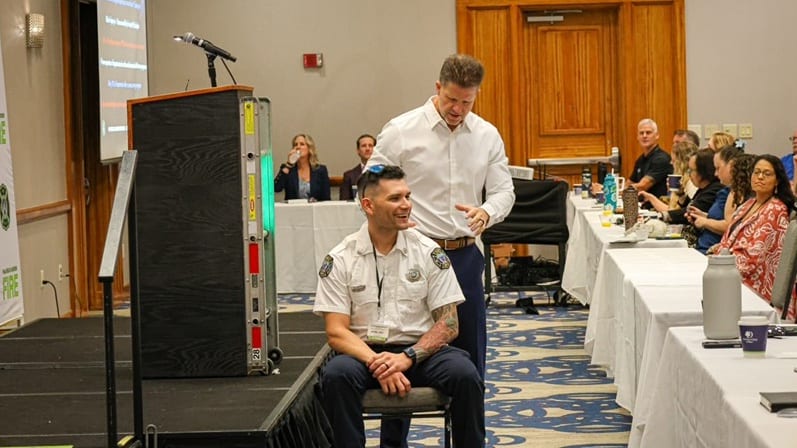
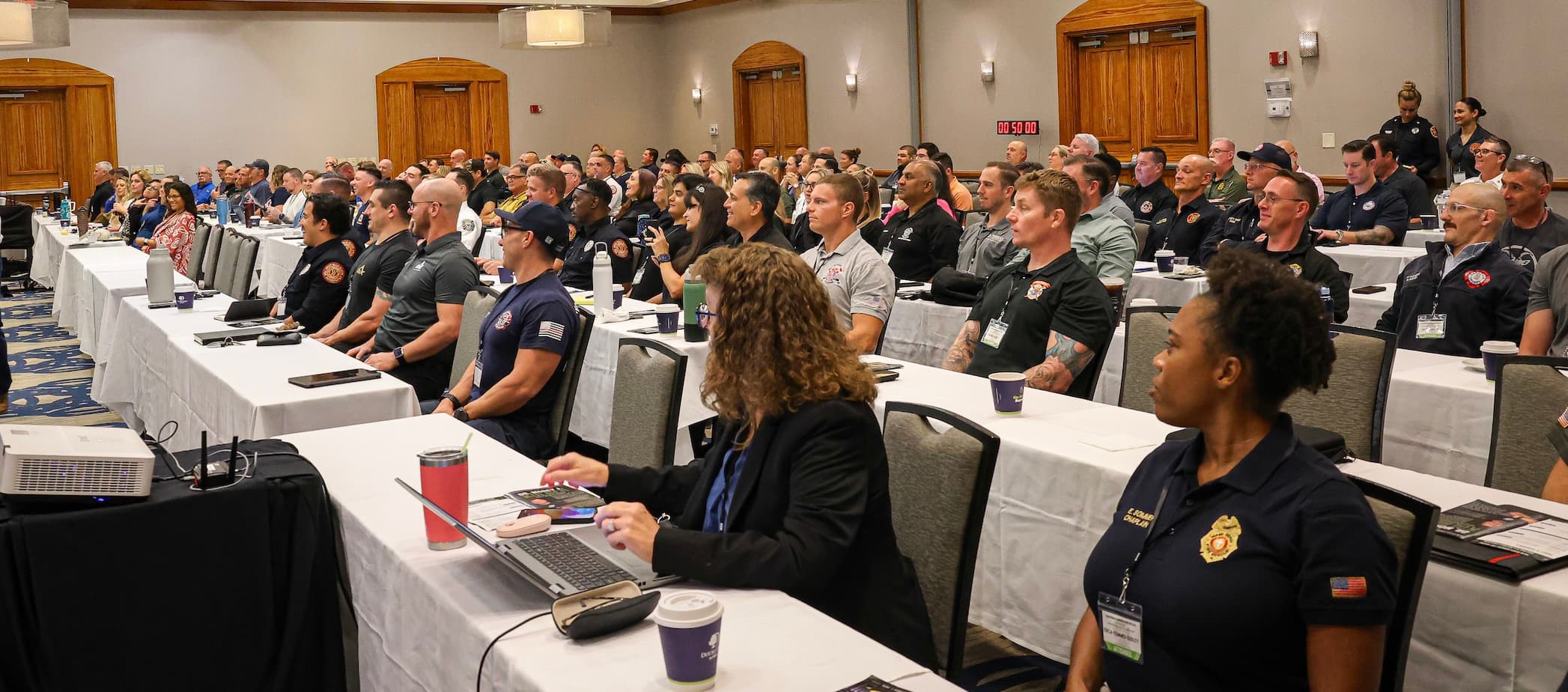
Palm Beach Gardens Fire Rescue recently hosted its 2nd Annual Health & Wellness Symposium, bringing together 174 first responders from more than 55 fire departments and organizations across the U.S.
Readiness Starts Within
The fire service has always demanded peak physical performance and operational sharpness. Crews drill, train, and prepare for every scenario they might face on a call. But the biggest threats to a firefighter’s long-term health don’t always come from the fireground. Heart disease, injuries, poor recovery, chronic stress, and strain on relationships at home can wear down even the toughest responders, and true readiness means addressing all of them.
The symposium was designed to help bridge the gap between awareness and action. Attendees received practical information, useful resources, and strategies they can apply in their own lives and bring back to their departments.
Four Speakers, Four Critical Areas
The symposium brought together four subject-matter experts who examined the unique physical, cardiovascular, and psychological challenges associated with a career in the fire service.
Dr. Jay Dawes, professor of applied exercise science, Oklahoma State University, explored the relationship between physical conditioning and operational performance, emphasizing the need for training programs that reflect the unpredictable, high-intensity demands of firefighting.
Annette Zapp, founder of Fire Rescue Wellness, addressed the challenges of maintaining healthy routines amid rotating shifts, disrupted sleep, and demanding workloads. She emphasized that long-term wellness depends less on perfect routines and more on building consistent, realistic habits that firefighters can sustain throughout their careers.
Dr. Ben Stone, who specializes in human physiology, cardiovascular genomics and preventive cardiac screening, examined the cardiovascular risks associated with firefighting, highlighting the importance of understanding individual risk factors, recognizing potential warning signs, and identifying underlying conditions before they lead to life-threatening cardiac events.
Kristal DeSantis, a licensed marriage and family therapist, explored the effects of occupational stress on relationships and family life, particularly the challenges of transitioning from high-pressure emergency environments back into everyday life. She emphasized how intentional communication, emotional awareness, and meaningful connection can strengthen relationships and help firefighters maintain stability and support outside the workplace.
Together, the presentations demonstrated that firefighter wellness requires more than physical readiness. It demands a comprehensive, proactive approach that addresses the cumulative effects of the profession and supports firefighters throughout their careers and beyond.
From Information to Action
Knowledge alone doesn’t change a department. Consistent action does.
One of the strongest messages was that wellness can’t rest on the individual alone. A healthier fire service is built on a culture where firefighters look out for one another, leaders welcome honest conversations, and departments invest in prevention before problems arise.
When attendees bring what they learned back to their crews, encourage healthier habits, and lead by example, wellness becomes part of how a department operates every shift, and not just a topic for an annual event.
Stronger Together
Beyond the sessions, the symposium gave first responders from different agencies the chance to connect and learn from one another. Departments differ in size, resources, and operations, but the health challenges they face are often the same.
That shared ground is where progress happens. Ideas exchanged on fitness programming, cardiovascular risk, peer support, and work-life balance can become the starting point for real improvements across the region.
Looking Ahead
The impact of the symposium will not be measured solely by the number of people in attendance, but by the actions it inspires. If the knowledge shared leads to an earlier health screening, prevents an injury, strengthens a relationship, or encourages even one firefighter to seek support, its impact will extend far beyond a single day.
Protecting those who protect our communities means investing in more than their ability to answer the next call. It means supporting their health, strengthening their families, and ensuring they have the opportunity to lead long, healthy, and fulfilling lives beyond the fire service.
At the heart of the Health & Wellness Symposium is a mission that extends beyond education: building a fire service that is healthy, resilient, and ready, not just for the next call, but for the years that follow.