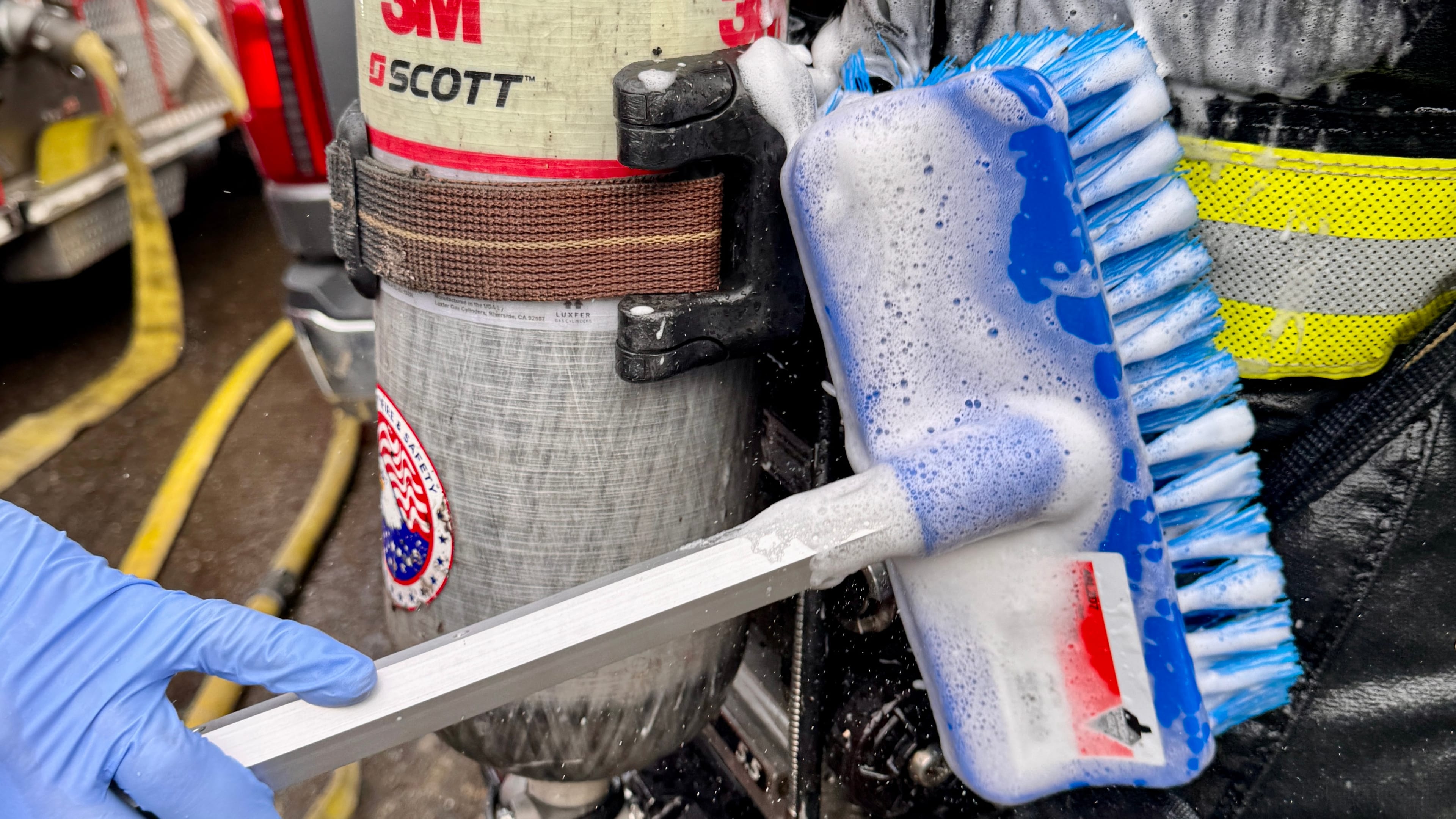
Cancer remains the leading cause of line-of-duty deaths in the fire service, and research continues to reinforce the role that contaminated PPE plays in firefighter exposure. Structural PPE and respiratory equipment are routinely exposed to smoke, soot, combustion byproducts, and hazardous particulates that can remain on equipment long after an incident has ended. As departments place greater emphasis on contamination reduction and firefighter health, dedicated PPE cleaning facilities have become a growing component of new station construction and renovation projects. Yet many PPE cleaning rooms fail to deliver their intended benefits.
The issue is rarely the cleaning equipment itself. More often, the problem lies in how the room is designed. A facility may include washers, drying equipment, sinks, storage cabinets, and workstations, but still create inefficiencies, workflow conflicts, and opportunities for cross-contamination. Successful PPE processing depends on more than equipment selection. It requires a facility designed around the complete PPE care process.
The most effective cleaning rooms follow a simple principle: establish a clear progression from dirty to clean.
Rather than viewing PPE care as a collection of separate tasks, departments should approach it as an integrated workflow consisting of four connected stages: receiving and pre-cleaning, cleaning and disinfection, drying, and inspection and documentation. Equipment should move logically through each stage without unnecessary backtracking or repeated handling.
The process begins when contaminated equipment enters the facility. Receiving and pre-cleaning areas establish control over equipment from the moment it arrives. Dedicated staging areas provide space to identify, document, and prepare equipment prior to cleaning. These areas become particularly important following large-scale incidents or periods of high operational activity when multiple sets of contaminated gear may arrive simultaneously. A structured intake process supports contamination control while ensuring cleaning records and equipment tracking begin at the start of the process rather than after cleaning has been completed.
The cleaning and disinfection area forms the operational core of the facility. Washers, sinks, chemical dispensing systems, and cleaning stations must be arranged to support established cleaning procedures without creating unnecessary obstacles. Cleaning effectiveness depends on factors such as chemistry, mechanical action, temperature, and exposure time. The room itself must support those requirements through adequate workspace, durable finishes, effective drainage, and proper ventilation. Moisture management and chemical exposure considerations make ventilation particularly important in this stage of the process.
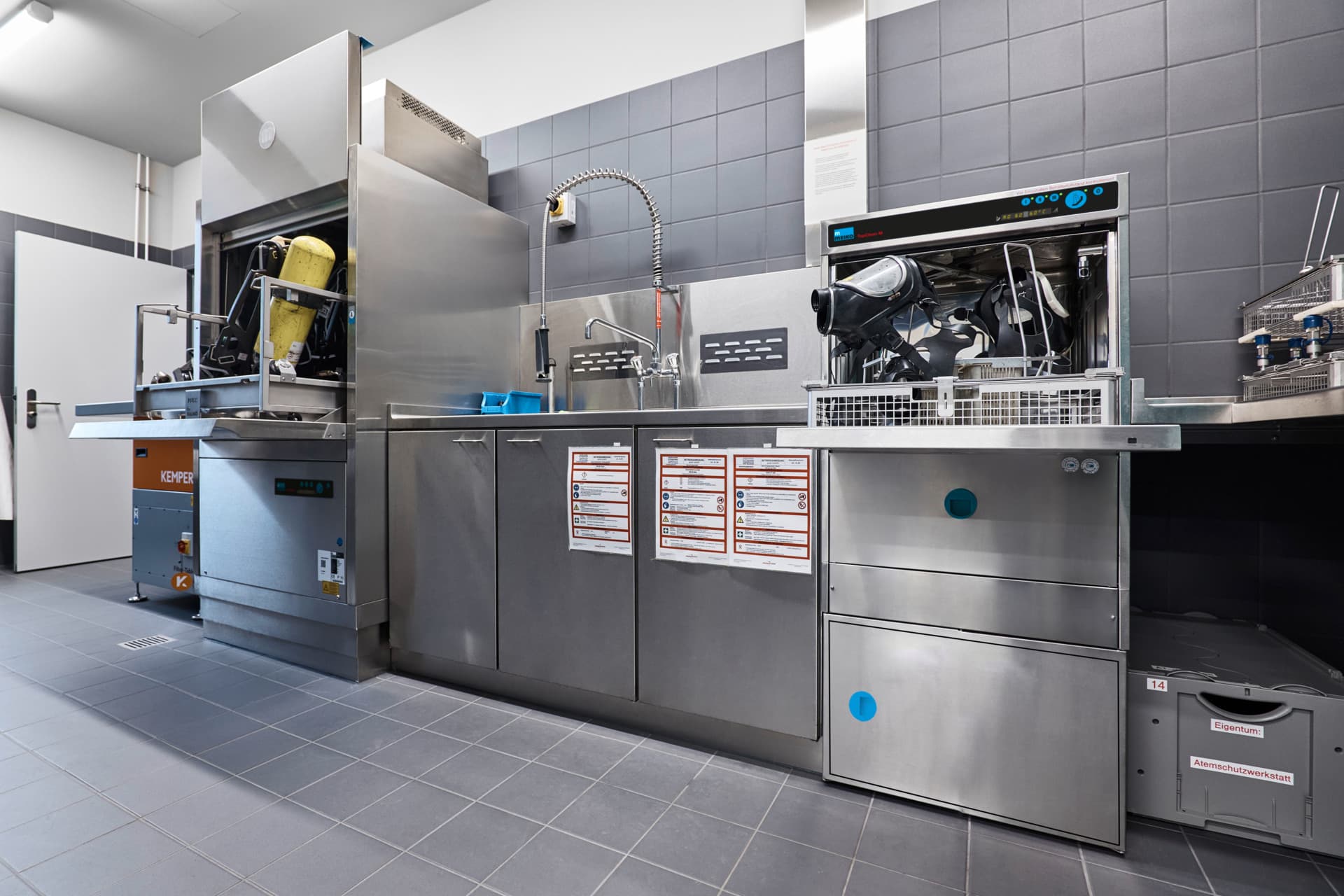
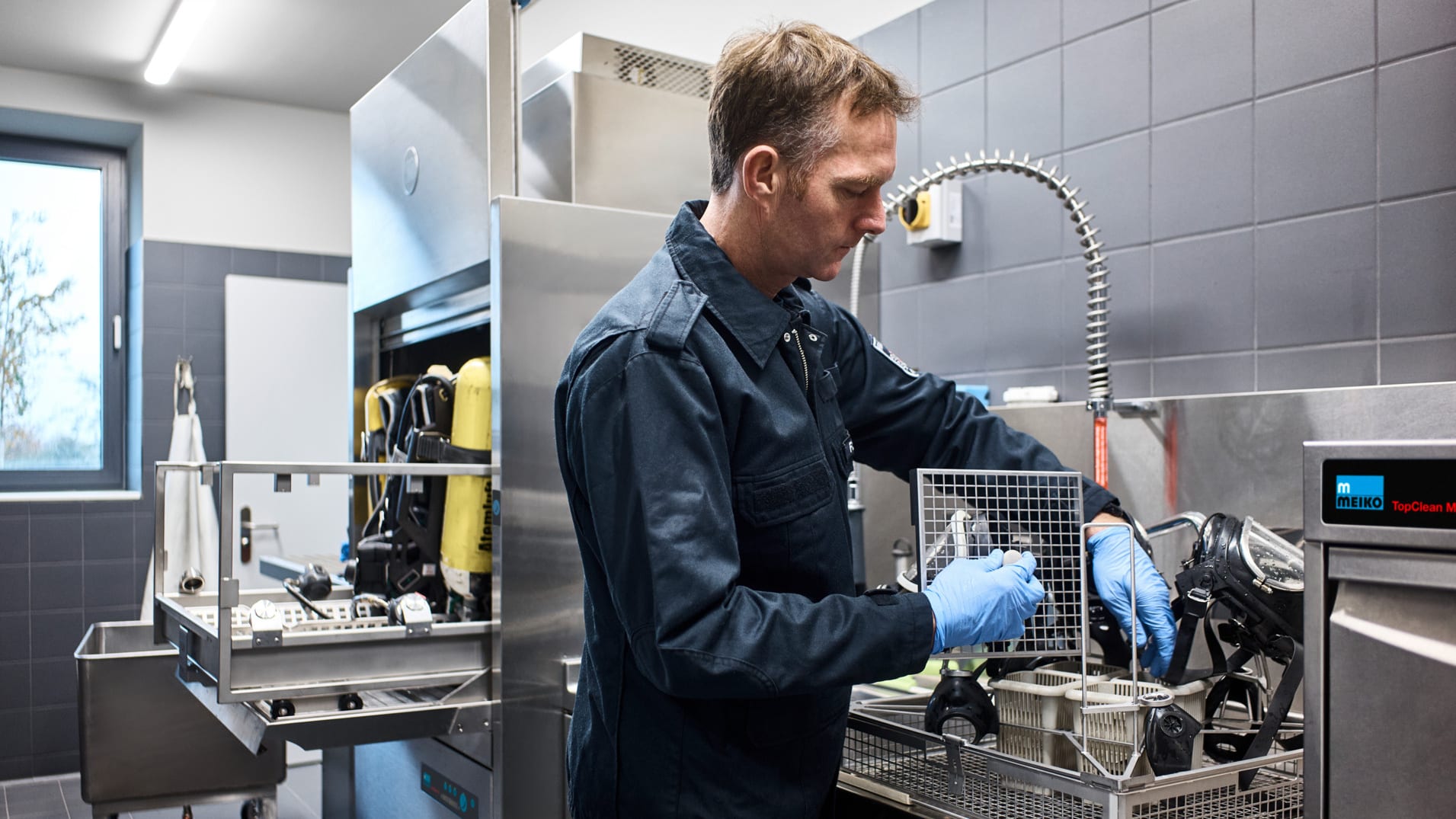
Automated SCBA washers can reduce the amount of hands-on handling required when cleaning contaminated equipment, helping departments improve safety and limit the spread of contamination. When selecting a SCBA washer, departments should consider whether it is designed for the specific SCBA being cleaned, follows manufacturers’ cleaning instructions, and can accommodate the number of SCBAs that need to be washed at one time. Ease of loading and unloading is also important, as an ergonomic design can make the process safer and more efficient for staff. Departments should also plan for the system’s water supply, drainage, filtration, detergents, maintenance, and service needs. Considering these factors early helps ensure the washer supports daily operations and can meet the department’s needs as they grow.
Drying is often viewed as a secondary consideration, but it has a direct impact on system performance and throughput.
Equipment cannot move into inspection and return-to-service activities until drying is complete. Insufficient drying capacity can quickly become a bottleneck, regardless of washer capacity. Dedicated drying areas should incorporate controlled airflow, temperature management, humidity control, and adequate staging space. Purpose-built forced-air drying cabinets provide a controlled environment that improves drying consistency while helping protect cleaned equipment from unintended recontamination. Clean PPE should remain physically separated from contaminated equipment awaiting processing throughout the drying cycle.
The final stage is inspection and documentation. A cleaned piece of equipment is not automatically ready for service. PPE and respiratory protection equipment must be evaluated to verify condition, identify damage, and confirm readiness for operational use. Inspection areas should include adequate lighting, workspace, documentation systems, and access to any manufacturer-required inspection procedures. Documentation should become part of the normal workflow, capturing cleaning activities, inspection findings, identified deficiencies, corrective actions, and return-to-service status. Cleaning addresses contamination. Inspection addresses equipment readiness. Both are essential components of the process.
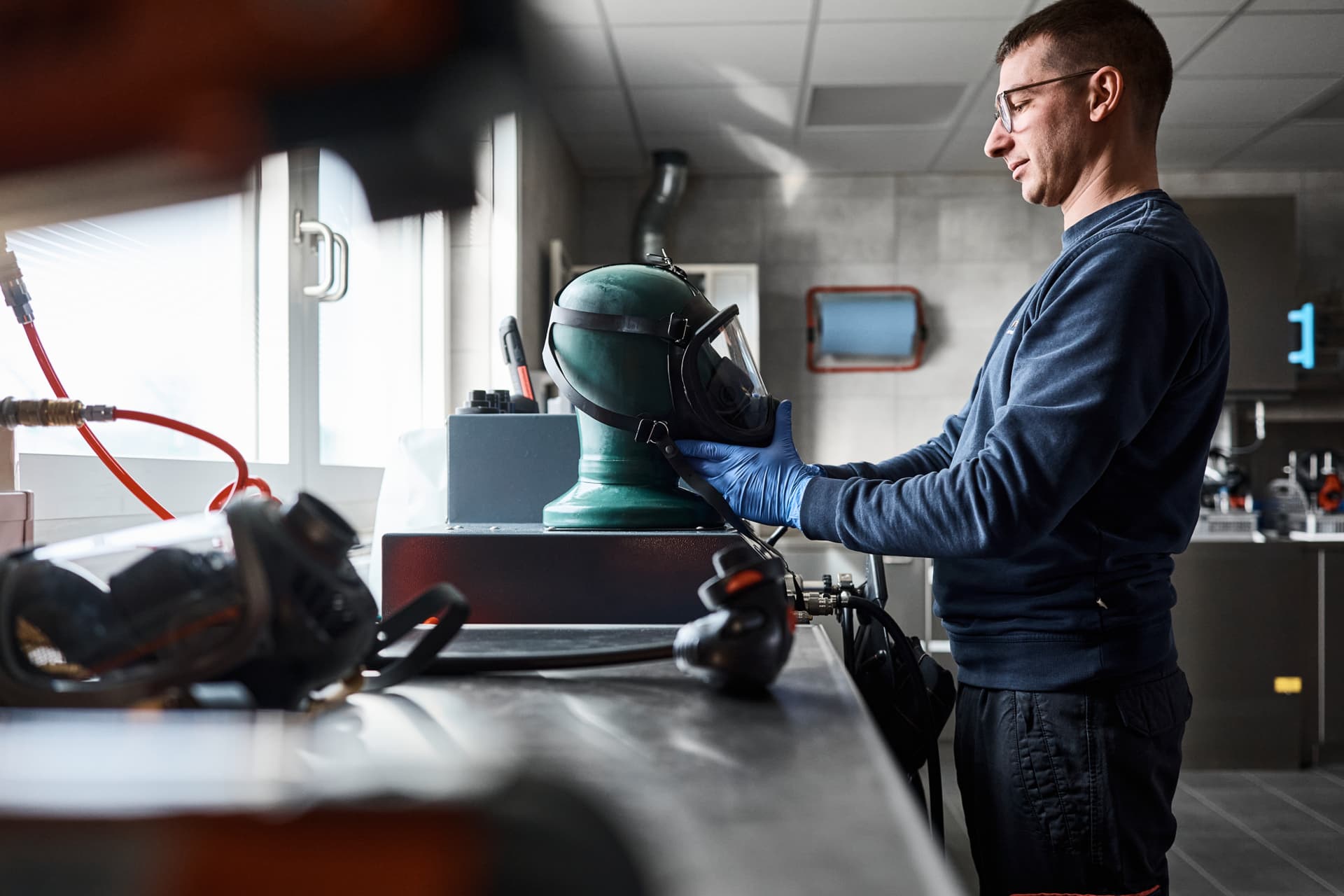
Underlying all four stages is the concept of contamination control through workflow separation. Effective facilities establish distinct dirty, transition, and clean zones that support one-way movement of equipment. Contaminated PPE enters through the dirty side of the operation and progresses toward the clean side as processing advances. Facility design may also incorporate airflow strategies, including negative pressure in contaminated areas and positive pressure in clean areas, to support contamination control objectives. The fewer opportunities there are for clean and contaminated streams to intersect, the easier it becomes to maintain a controlled environment.
There is no universal PPE cleaning room design. A combination department processing a handful of sets each week has vastly different requirements than a metropolitan agency processing equipment daily. Facility planning should reflect operational realities, including response volume, contamination exposure, turnaround expectations, future staffing levels, PPE inventory growth, and infrastructure scalability. Water supply, drainage, ventilation, and electrical capacity should be evaluated with future demand in mind rather than current needs alone.
As departments continue to strengthen firefighter health and exposure reduction initiatives, the PPE cleaning room should be viewed as a critical part of the PPE processing system rather than a utility space that houses cleaning equipment. The most effective facilities are not defined by size or equipment count. They are defined by how well they support the people, workflow, and environmental controls required to process PPE safely, consistently, and efficiently.