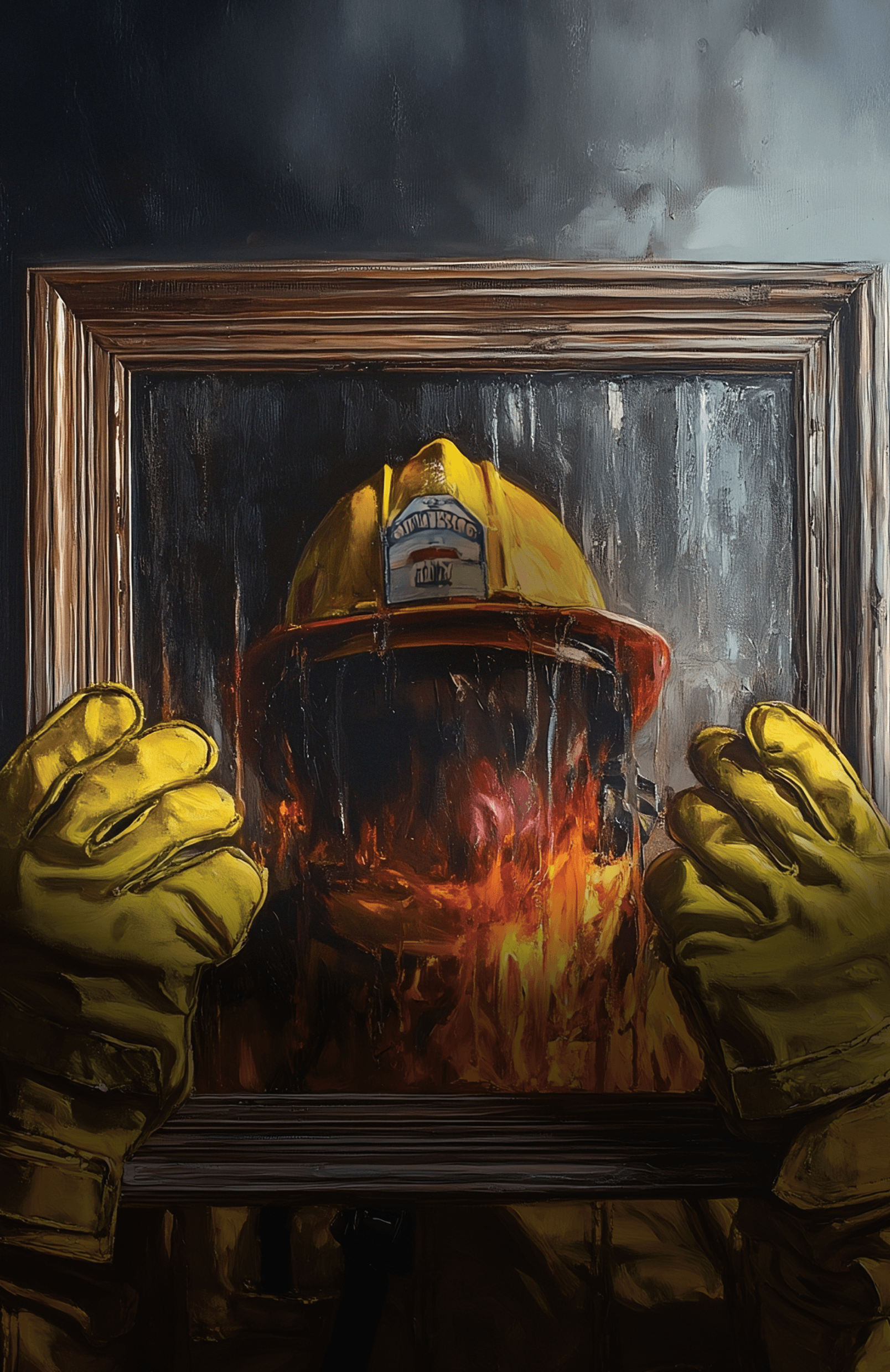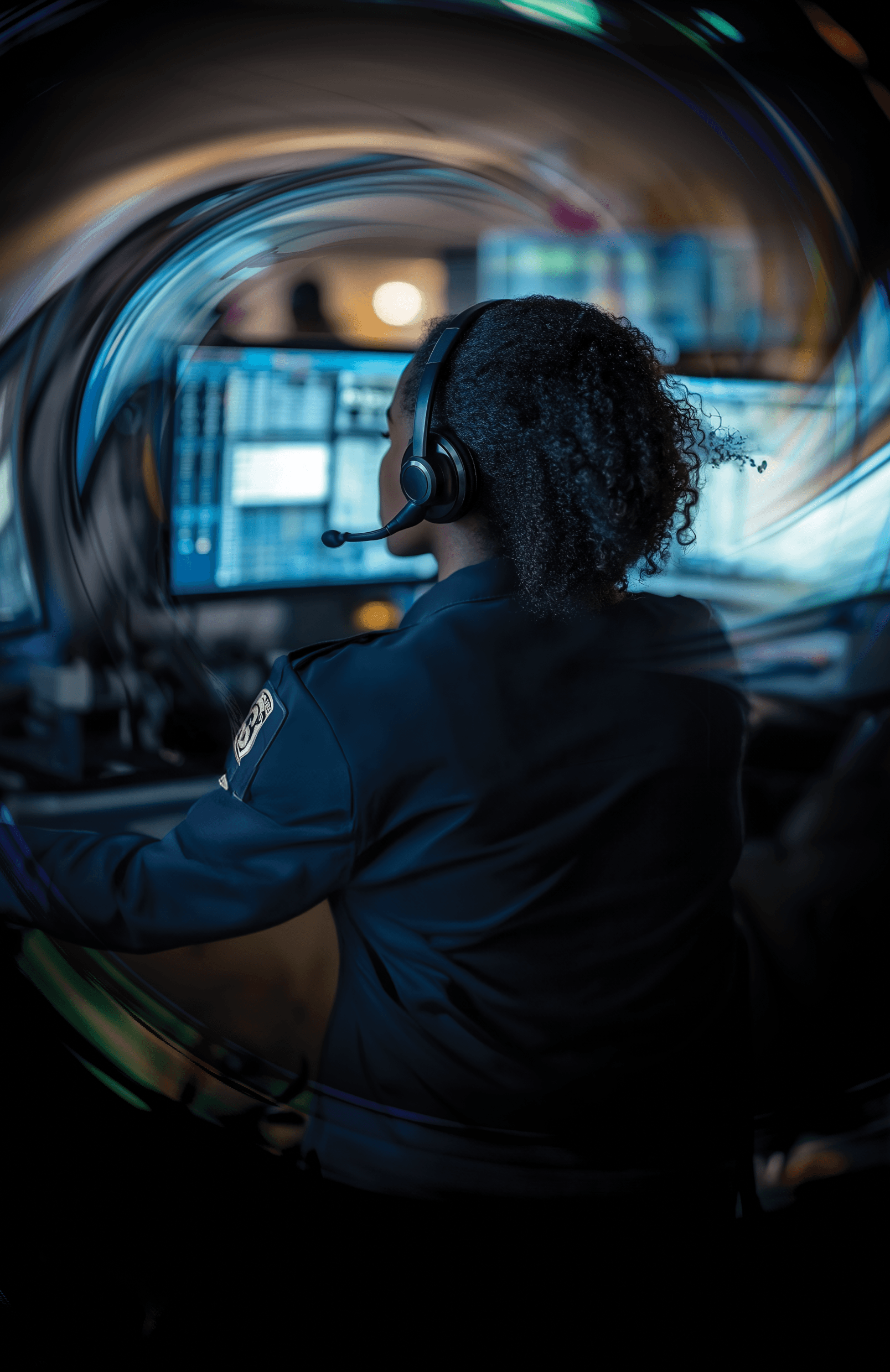

It’s a sad reality. According to the “Ruderman White Paper on Mental Health and Suicide,” police officers and firefighters face a higher risk of dying by suicide than by line-of-duty causes.
This alarming trend is attributed to the prolonged stress associated with their professions, which significantly elevates their vulnerability to suicide and mental health challenges. Experts say these conditions are exacerbated by the intense and often traumatic experiences first responders face on a regular basis.
In the fast-paced and high-stress environments of police and fire departments, EMS agencies, and 911 dispatch centers, the mental health of personnel is now considered as crucial as their physical readiness. Therefore, the integration of embedded clinicians within these settings is proving to be an invaluable asset. And it's not just for the individuals involved, but also for the communities they serve.
What do embedded clinicians do?
Embedded clinicians work closely with first responders, providing mental health support tailored to the unique challenges of emergency service work. Trust and communication are crucial, considering the nature of the work and the typical hesitation among first responders to seek mental health support.
Clinicians embedded within these agencies can break down barriers through their constant presence, fostering a sense of familiarity and comfort, and encouraging open communication.
Not only can clinicians more effectively educate first responders on the importance of mental health, resilience strategies and when to seek help, but they can also observe changes in behavior or performance that may indicate a need for support. This early intervention can help to prevent issues from escalating.
A Mental Health Mayday
“When a firefighter gets to the point where they're going to reach out on their own for help, you've got one shot,” says Acting Chief David Motes of Clay County Fire Rescue in Florida. “And if you don't capitalize on that one shot, there's a risk of losing them."
Marie Gumá, the founder of Command Counseling Center in Florida, adds, "Our services are unique because we have a behavioral health manager embedded within the department, a role that sets us apart from other integrated mental health programs in public safety.
“The behavioral health manager, an experienced and culturally competent mental health provider, doesn't conduct therapy within the department. Instead, they serve as an integrated, trusted resource who has built a strong rapport with the department members. Firefighters can simply text them if they have a question, and we offer a therapist on call 24/7/365 for the entire department and their families."
Cultural Competence
The close connection and ongoing interaction between clinicians and first responders facilitates a deeper understanding of emergency service work's unique stressors and traumas. This insight allows clinicians to offer more relevant and effective support, a cultural competence tailored to the specific experiences and needs of the personnel.
Embedded clinicians can bridge the gap between mental health support and the realities of the job by being part of the daily operations, and by developing an understanding of the culture and challenges of first responder work.
"The behavioral health manager coordinates the rapid deployment of therapists for critical incidents, conducts monthly station visits, and maintains a constant presence at the fire stations,” Gumá says. “This visibility reminds firefighters that we are here to support them. We meet with everyone in the department one-on-one, continue to build rapport, and allow them to sit down with a mental health provider, even though it's not an official meeting. We want to break that stigma of ‘I've never been in front of a mental health professional before.’ And I say to them, ‘Well, you just have!’”
Embedded Wellness Programs
Jason Corthell is the director of Ironclad Wellness and division chief of fire training in Harris, Texas. He created an embedded wellness program with Dr. Liz Fletcher to provide a safe space for first responders and offer in-house resources for mental health through chaplaincy, peer support, and therapy.
"We have integrated counselors into our fire stations to conduct on-site appointments,” Corthell says. “This eliminates the need for firefighters to schedule appointments during work hours or worry about insurance, since they are compensated for their time at the station."
Furthermore, Corthell and Fletcher have developed program documentation, including standard operating procedures and standard operating guidelines to streamline the process. Corthell's team also drafted a memorandum of understanding with licenced clinicians, detailing the scope of counseling services available to firefighters and their families, even including play therapy for children.
This agreement also outlines a mandatory quarterly training program for all personnel and clarifies the financial aspects and integration phase of the counselors.
Motes emphasizes the significance of mental health in a firefighter's ability to fulfill the department's mission.
"It's the responsibility of the fire chief to ensure the team is operationally ready in all aspects, and mental health is a critical component of that,” Motes says. “I think I would risk facing a vote of no confidence if we removed this program from our firefighters, considering its significant contribution to their well-being.”