We were standing at the door when our class broke for lunch, and Shane asked,“Do you mind if I help take your dog for a walk?”
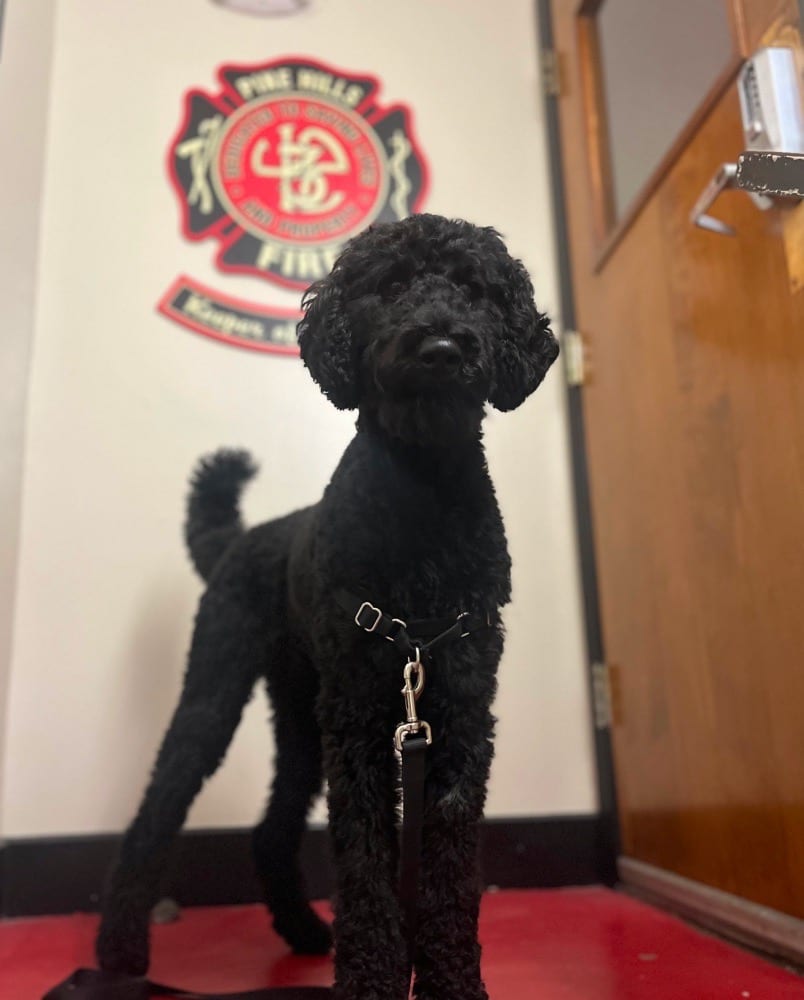
At first, I thought it was a strange request until I looked at Jake, our department’s therapy dog, wearing his work vest. We were both off duty, attending a training class with other firefighters from around the region. I’d worked with Shane a few times, ran calls, and shared stories at the dinner table, so he knew I was part of the peer support team. Shane, not his real name, gave me permission to retell this story.
We walked outside, catching up on the latest news. A few minutes later Shane sat down under a tree. Jake, who is usually glued to my side, tugged gently on the leash. Without command,Jake sat down beside him, placed his right paw on Shane’s leg, and then rested his head in his lap.
At that moment, I knew Jake was working, he had been training his whole life for moments like this;this was his purpose. I sat down quietly next to them as Shane started to open up and talk about some difficulties he was going through.
That afternoon, Shane, who had one of the toughest shells I’d ever seen a firefighter wear, asked for help.
Jake had become the bridge for Shane to find the resources that would allow him to heal and regain his mental clarity.
A Turning Point
Peer support teams have come a long way. We’ve trained our people, built our teams, and created pathways for members to seek help.But as those systems grow, we have learned that not everyone walks through those doors easily.
In 2022, my department experienced multiple suicides in a short span of time. We thought we had the resources with our peer support team, chaplaincy program, and volunteer therapy dog team.But the weight on our department was clear. We were hurting.
That year marked a turning point. We took a hard look at what else we could do to strengthen our behavioral health program,which led to the expansion of our therapy dog program.
From the start, our leadership supported this expansion, but that supportcame with the responsibility to get it right. This program would impact more than just our department. With leadership accountable to others, there were serious considerations that needed to be addressed to ensure its success.They asked the important questions, not to slow progress, but to make sure we were building something sustainable and responsible.
· What are the liability concerns?
· How will the dogs be trained and certified?
· What about our personnel who have allergies or phobias?
· What policies need to be in place to support this long-term?
These weren’t roadblocks. They were necessary stepsto make sure our program’s foundation was solid.
Our team dug deep. What started as hours quickly turned into weeks of researching, consulting with local partners, refining procedures, and ensuring our program aligned with the best practices in both public safety and animal welfare.
We even built safeguards to ensure our handlers followed state veterinary laws,avoiding any risk of our paramedics unintentionally crossing into veterinary practice.
This is when Jake and Billy joined our department. They came in as part of the team: vested, certified, and purpose driven.
It’s not enough to have a certified therapy dog. Our handlers must meet the same standards, readiness, and qualifications we expect from anyone on our peer support team.When a firefighter opens up during a visit, the person holding the leash must know how to respond. The last thing we want is for someone petting the dog to feel like they need to support the handler. The handler should be the support.
As it turns out, that decision made all the difference.
They Open The Door
They’re not our mascots, they’re our teammates.
Their job isn’t to fix people, it’s to open the door.
Firefighters who once rolled their eyes at the phrase self-care would be the first ones to sit down and pet a dog. Unknowingly, they are slowing their breathing and lowering their heart rate in the process.Jake and Billy****give them a chance to reset, even if just for a moment.
We started with a few debriefs, and station visits quickly grew into something more. Then came the requests. A lot of them. Jake and Billy now attend our annual behavioral health training drills, which run for eight weeks with two sessions a day.
The most common feedback we receive? “Bring more dogs.”
The therapy dogs aren’t just part of our team; they shape how we do our team.They are not the solution, but they have become the invitation to find a solution.
This isn’t just heartwarming, it’s strategic.Therapy dogs reduce cortisol, create oxytocin, and disarm perceived threats. They don’t carry rank. They don’t ask questions. And they’re not there to analyze anyone.That’s exactly why they work.
They create a space for us to do real peer support work, without the lecture, the clipboard, or the stigma.
They are the doorway to deeper conversations and professional help, which leads to long-term healing.
That day with Shane, Jake never said a word, and at the same time, he said everything.
He reminded me that connection doesn’t always start with a conversation.Sometimes it starts with a presence. With quiet. With a paw on a leg and the space to exhale.
He didn’t replace anything. We still need our clinicians, chaplains, and peer support members.Dogs like Jake give those people a fighting chance to do their work.
They open the door, and for some, that’s the hardest part.