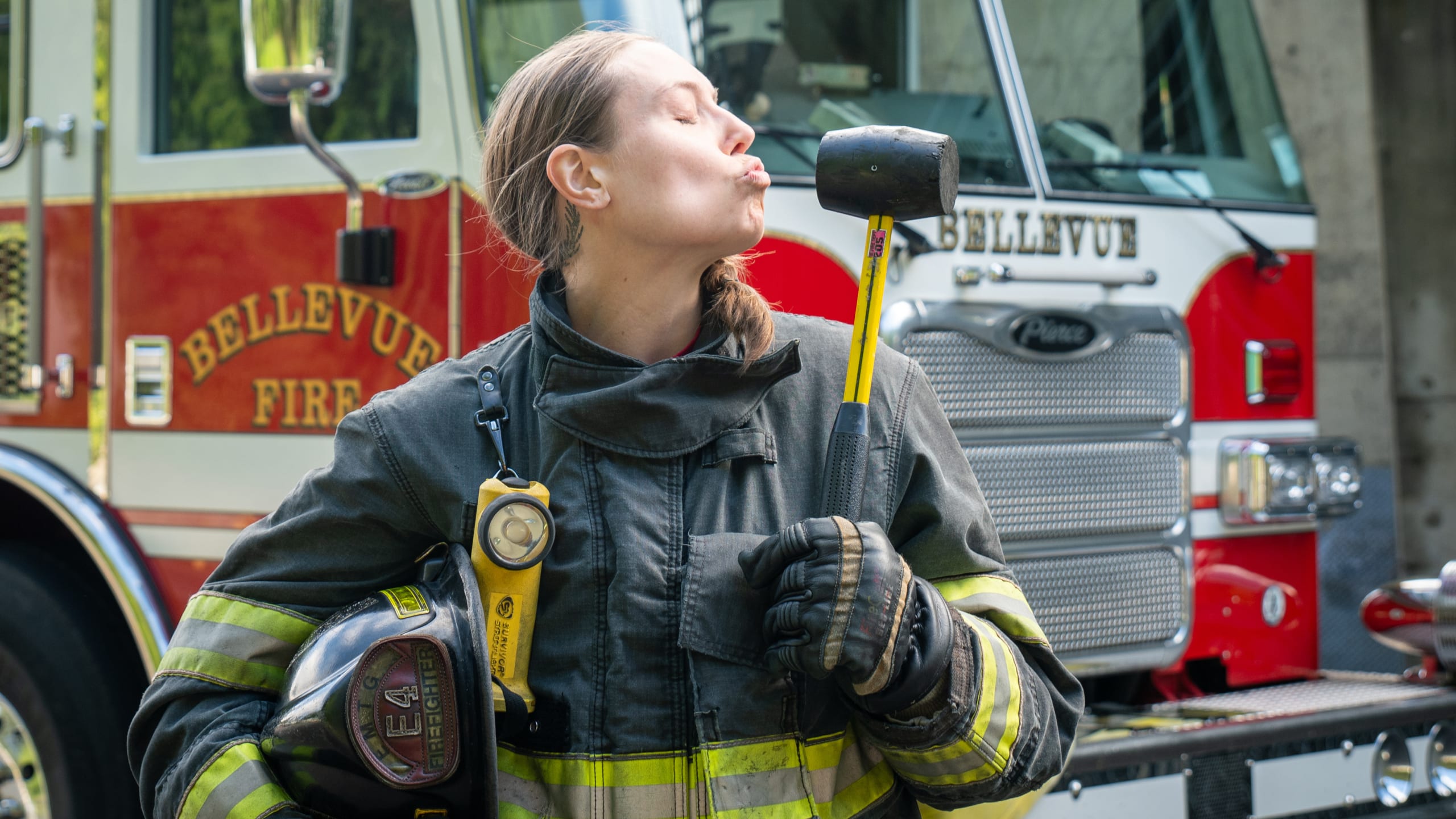

Photo by Steve Baer | FireDog Photos
‘You know what they should do …’
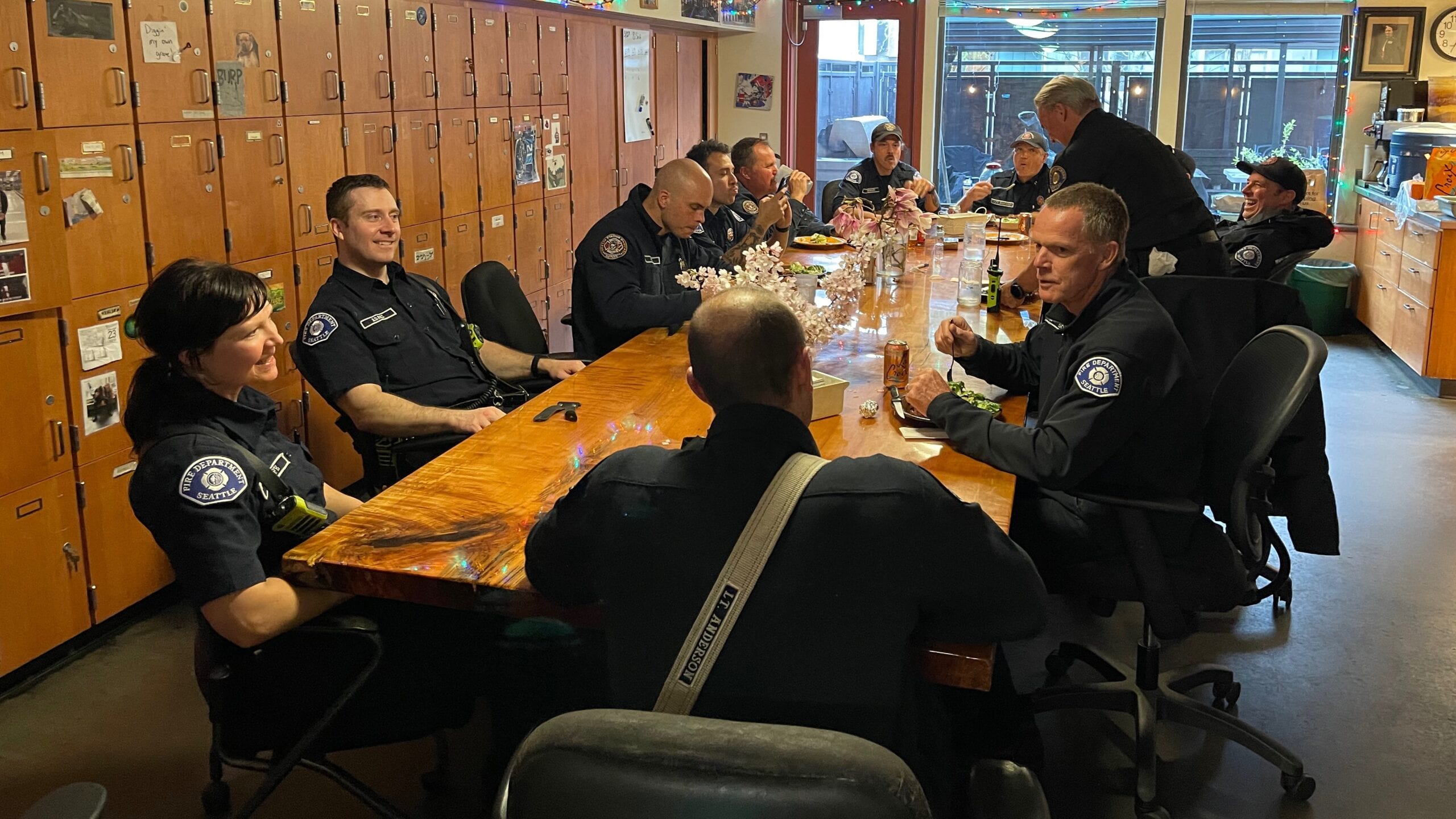
Ah yes – the national anthem of every kitchen table in the fire service. We’ve all heard it. We’ve all said it. We’ve all taken part in the great firehouse pastime of arguing passionately about things we have zero actual control over.
Where the next station should go. Why the city’s budget priorities are off. What kind of apparatus should’ve been ordered. It’s the Firehouse Fantasy League, and business is always booming.
And sure – most of the time, these conversations go nowhere.
But here’s the part we don’t say out loud enough:
They still matter. A lot.
Because while those debates might not result in change orders or policy shifts, they’re doing something else, something more foundational. They’re keeping the crew talking. They’re building familiarity. They’re creating chemistry. And whether we realize it or not, they’re building a kind of social muscle memory we’ll need when the real shit hits.
“We’re better off arguing about a fake fire station than silently scrolling ourselves into isolation.”
Look around the modern firehouse. More private rooms. More individual screens. More reasons to check out, even while on shift. In that kind of environment, a crew that’s still joking, debating, and riffing on hypotheticals? That’s a crew that still has pulse.
And that matters, because when tragedy does strike, when the tones drop for something heavy, or when a line-of-duty death rocks your department, it’s not policy or SOPs that hold you together. It’s connection. The kind built slowly over coffee and kitchen-table arguments. The kind that forms when you’ve spent years hearing how each other thinks, talks, and decompresses.
“When devastation hits, you don’t build trust. You cash in on it.”
I’ve seen it firsthand. A crew that had been talking – for weeks, months, years – was able to regroup after the unimaginable. Not because they all had the perfect words, but because they already had a shared language. A cadence. A tolerance for each other’s tone, pace, silence and sarcasm. That’s the invisible glue most people don’t see until it’s holding the room together.
So no, it’s not always about what we’re talking about.
But **that we’re talking at all.**That we haven’t gone quiet. That we haven’t retreated into ourselves.
And yes, there’s still something to be said about overshooting your influence. Debating budget decisions you don’t own won’t change much. But those conversations can still lead to something better, like planning the next crew hockey tournament, or getting honest about morale, or checking in on the rookie who’s been quieter than usual.
“You only get so much energy in a day. Spend it where it counts.”
The real risk isn’t the fantasy debate, it’s never coming back from it. It’s never steering the conversation into what we can actually impact. It’s when we let the fun replace the functional.
So here’s the balance:
- Let the banter breathe
- Don’t take it too seriously
- But don’t underestimate what it’s building
Because eventually, you’re going to need to say something that isn’t hypothetical. And when that moment comes, it’ll be a hell of a lot easier if you’ve already learned how to talk – how to listen – how to be in dialogue with the people you trust.
“I used to think talking in circles was just noise. Now I know it’s training.”
Training for grief.
Training for chaos.
Training for being a crew that knows how to navigate more than just a fireground.
You can either solve an old problem or create a new one.
You can either retreat into silence – or show up with presence.
The firehouse fantasy league isn’t perfect.
But it’s better than being alone in a room full of people.
So keep talking. And eventually, steer it somewhere that matters.
Kory Pearn is a career firefighter and captain; and the founder, publisher, and editor-in-chief of CRACKYL Magazine.