Every day across the U.S., firefighters go to work with the same goals: do the job, save lives, and go home safely.
If you’ve ever worn a firefighter’s helmet, you already know it’s dangerous work, requiring the selflessness to put others before ourselves. Day after day, we leave our homes and families knowing that, yes, this might be the last time we see either. Surviving your shift shouldn’t be aspirational, but it’s part of the job.
Firefighters are asked to accept those realities. In return they should receive unflinching support. Members of the fire service deserve every sensible resource to ensure each and every one has the best chance to return home to their spouses, sons, and daughters.
For decades, the fire service has gathered knowledge about why firefighters suffer death and injury in the line of duty. The challenge has been turning what we’ve learned into solutions that firefighters and departments can trust and put into practice. That’s why, earlier this fall, the National Fallen Firefighters Foundation, in partnership with Oklahoma State University, Texas A&M, the Illinois Fire Service Institute and the First Responder Center for Excellence created the Institute for Firefighter Survivability, an expansive partnership of research and resources meant to help close the gap between what is known and what can be done to make firefighters safer on the job.
“There’s a lot more fire service–specific research now than there ever has been,” says Danny Kistner, director of Fire Service Programs and leader of the NFFF’s work with the Institute for Firefighter Survivability. “We know a lot more about the job than we did in the past. Now, I see a lot more emerging leaders that are conscious of firefighter survivability, and I see that the silos across our lives are breaking down. It’s no longer considered just a fire service problem. It’s more of a holistic problem involving community, government, and firefighter families.”
To make the institute work best for the benefit of firefighters and their families, the NFFF brings its network of nearly 350 advocates, various fellows and support programs, and relationships with departments and fire service organizations across the country. OSU, TEEXs, IFSI and the FRCE bring deep expertise in fire protection and safety engineering, research, training and curriculum development, and a commitment to solving practical problems.
Together, the institute’s founding entities are working with firefighters, departments, researchers, and industry partners to identify critical gaps in firefighter safety, conduct meaningful research, and move what they learn into training, education, and ultimately, prevention of line-of-duty deaths.
“When we think of firefighter survivability, we’re thinking, ‘OK, well, let’s keep the firefighter alive.’ But it is so much more than that,” says Kistner. “It’s improving their quality of life. It’s getting them home to their family. When you see a grieving mother, spouse or children, it sticks with you. Our advocates are out there donating their time to keep this grief from happening.”
Central to the institute’s creation was the establishment of a new firefighter life safety initiatives matrix. Adopted in December 2025 and reorganized from 16 to 12 separate initiatives, the matrix now acts as a cornerstone of all NFFF fire service programs and provides safety guidance to meet the evolving demands of the job.
Under the banner of Until Everyone Goes Home®, focusing on elements like evolving leadership, health and wellness programs, innovation, community involvement, and lifelong learning ensures that firefighters are not just protected, but prepared for the mental and physical rigors of their work.
In addition, Kistner and his institute team connect to those personally affected by the loss of a firefighter. Through the emotional and immersive impact of staff rides, institute team members travel to a significant event or where a line-of-duty death has occurred and facilitate educational conversations with the fire department, survivors of the incident, firefighters who responded to the scene, and family members of the fallen.
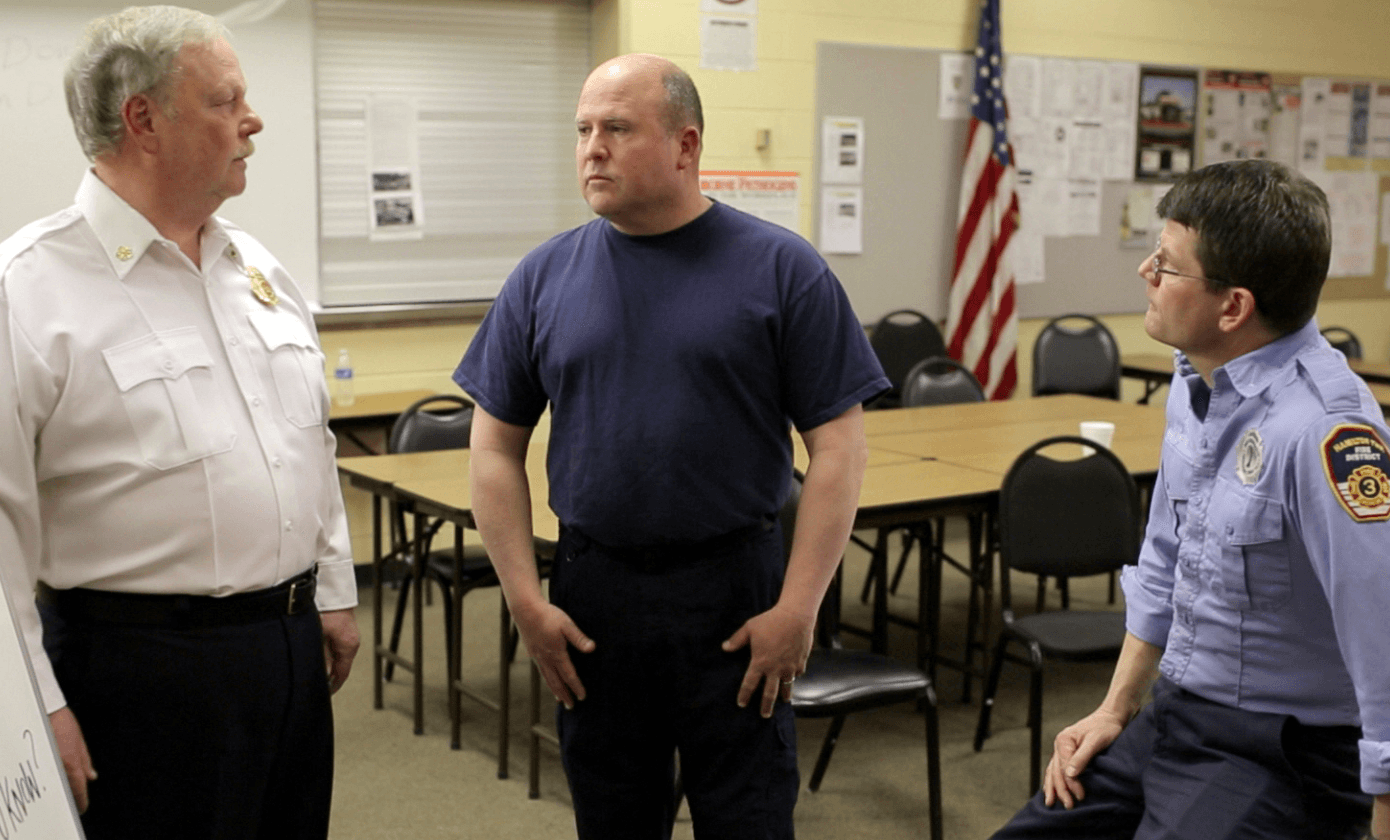
One by one, they tell their story.
“It’s just whatever they want to tell us about their firefighter, and it’s ranged from ‘This is what happened the night I was notified’ to ‘I just want to tell you about what kind of a person this firefighter was,’” says Kistner. “This information often carries the greatest value, with stories that never make it to the sterile line-of-duty death reports.”
To help augment these supportive efforts even further, the NFFF will relaunch its Courage to Be Safe program in January 2027. Initially debuted at the Pennsylvania Fire Expo in Harrisburg in Spring 2005 and paused in 2015, the initiative sought to change the culture of accepting firefighter fatalities as normal occurrences.
Former Pennsylvania Fire Commissioner Ed Mann had experienced it firsthand throughout his decades of service. But after enduring 18 line-of-duty deaths across his state’s firehouses in 2004, he knew something had to be done.
“I called my fire academy administrator and said, ‘Enough is enough. We’ve got to do something more than talk about line-of-duty deaths. This is ridiculous. Every time I turn around, we’ve lost another firefighter.’”
Based on the initial 16 firefighter life safety initiatives, the program covered how family members live with the consequences of a firefighter death; provided a focus on the need for firefighters and officers to change fundamental attitudes and behaviors in order to prevent line-of-duty deaths; and promoted how to protect yourself and other firefighters so, at the end of the day, everyone had the greatest chance to go home.
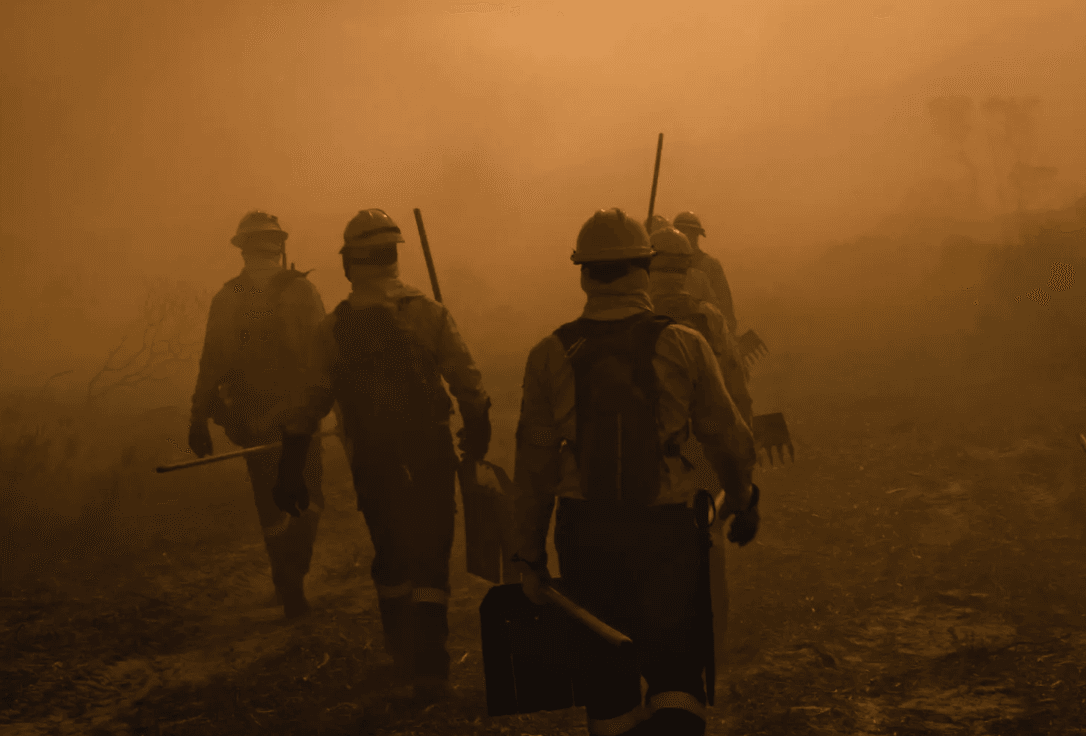
In the first year of the program, Mann and his team of advocates reached an estimated 4,000 firefighters across Pennsylvania. In subsequent years, the program updated its fire service training with research from recent line-of-duty death cases, continued to raise awareness of preventable deaths, and prompted behavior and safety changes within departments across the U.S.
These are big-time benefits from a program that, according to Mann, can provide another layer of support to our firefighter survivability efforts.
All of these benefits make it the perfect candidate as an asset to be reincorporated into the evolving ecosystem to support firefighter survivability.
“Don’t be afraid to use (Courage to Be Safe),” says Mann, now retired after nearly 40 years in fire service. “It’s another tool in the toolbox. We have more of these tools available to us today to help prevent injuries and reduce line-of-duty deaths than we have ever had before, so we should take advantage of them.”
And this is what it’s all about: prevention, survival, perseverance. Giving our heroes the tools they need to help their communities. Giving each the support they require to do the job and get home safely.
By connecting our fire service professionals with an institute dedicated to training, resources, and research, we can understand firefighters’ needs, support them, and according to Kistner, continue to make improvements that save lives.
“When you’re there, walking the steps that they walk, you can understand and appreciate their position,” he says. “This knowledge and experience can lead to positive change in firefighter behavior that, hopefully, can prevent accidents and line-of-duty deaths from ever happening again.”
For resources concerning the Institute for Firefighter Survivability, Until Everyone Goes Home, and Courage to Be Safe, visit the NFFF’s website at firehero.org.
Photos courtesy of the NFFF