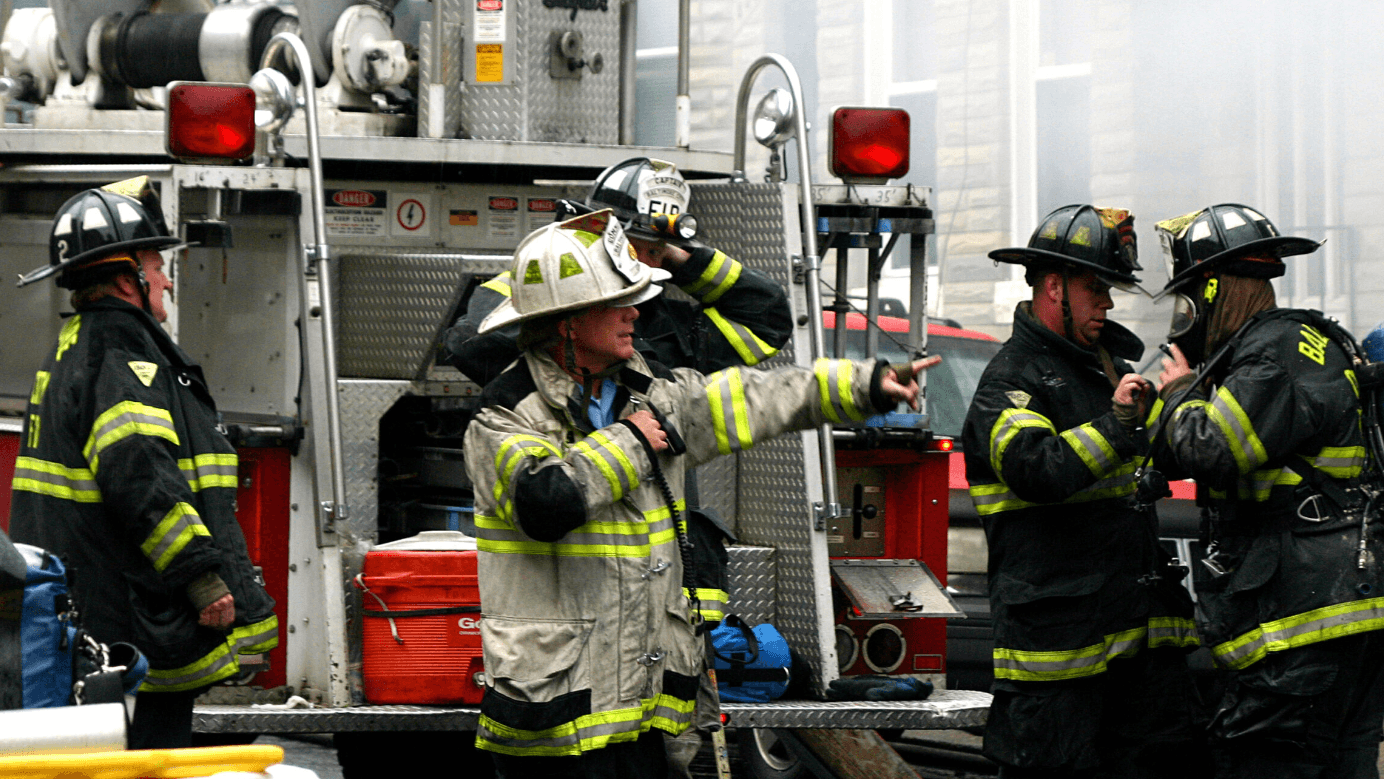
The fireground is a high-stress, highly fluid, time-pressured, loud, and dangerous environment. As such, firefighters experience aspects of the human stress response during operations. This natural response, characterized by the physiological activation of the sympathetic nervous system and the release of adrenaline and cortisol into the bloodstream, offers some benefits during emergent situations, such as focus, energy activation, and heighted alertness. It also bears predictable influences upon cognition, perception, and situational awareness at the tactical level or “in the moment.”
Focus and filtering is one way the human brain deals with the challenging fireground environment. Under these pressures, the brain focuses on both the immediate tasks at hand and the most pressing threats. This focus can come at the cost of filtering out important and useful information, such as fire behavior, structural changes, radio traffic, crew movements, emerging threats, escape routes, etc. We often call this phenomenon “loss of situational awareness” or “tunnel vision.”
Firefighters can leverage proven techniques to counter tunnel vision and maintain situational awareness at the tactical level or “in the moment.” Firefighters can break tunnel vision, literally, by conducting periodic perimeter checks – visually looking to the left, right, above, and beyond the immediate task while mentally asking, “What cues am I seeing? What risk factors do I see? Is my plan of action proceeding as I expected, or not? What should I communicate, if anything?” One way to describe situational awareness is the balance of keeping critical information in awareness while regularly updating awareness with new information that becomes available.
Breathing Technique
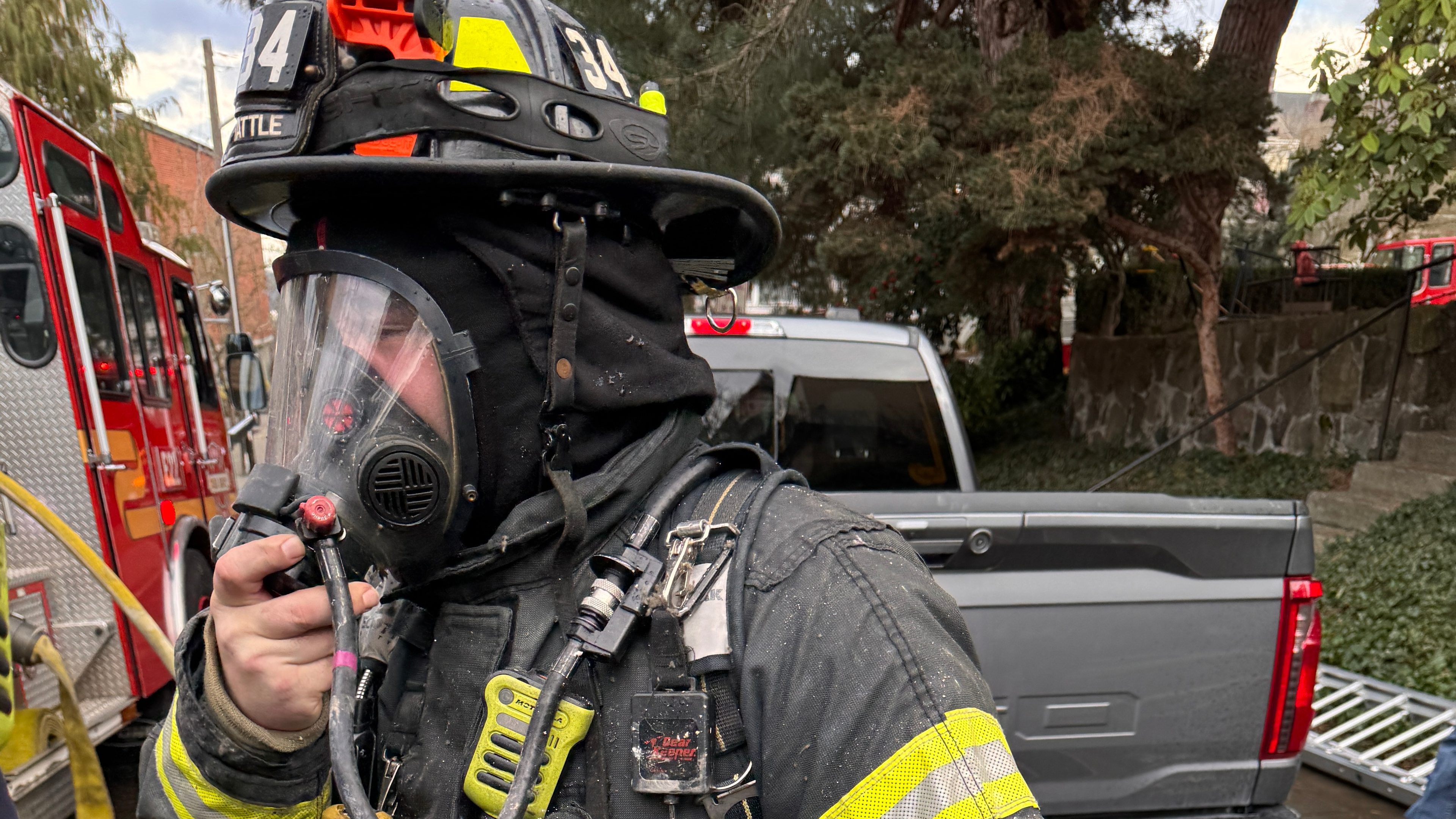
Another technique to counter tunnel vision is controlled breathing. Controlled breathing, especially a longer exhale than inhale, engages the parasympathetic nervous system which balances the surging effects of the stress response. Firefighters already use some controlled breathing techniques, such as “skip breathing” and the “Riley method,” for air supply management. Firefighters can incorporate additional breathing techniques to increase situational awareness, along with these traditional methods, whether they are using SCBA air packs or not. Measured breathing and longer exhales can help optimize cognitive processing and situational awareness, thereby increasing fireground effectiveness and safety.
The practice of mindfulness is another technique helpful for situational awareness and cognitive flexibility and resilience. Often, our attention is diluted across ruminating on past events, thinking about future or possible events, with only a fraction of our attention engaged in the present moment. Mindfulness involves harnessing your attention into engagement in the present moment, which helps you bring to bear all your awareness, capability, and skills. Mindfulness techniques can be applied “in the moment” to broaden awareness and assess information that is unfolding on the fireground. In addition, similar to physical exercise, the practice of mindfulness outside of emergency responses helps build and reinforce strengths to be applied more readily at the tactical level “in the moment” during emergency responses.
But what about strategic situational awareness? Can firefighters lose situational awareness at the “life level” and find themselves experiencing tunnel vision in their professional and personal lives? A framework for situational awareness at the “life level” is to maintain alignment across your values, intentions, behaviors, and your environment or VIBE. Let’s break it down.
Values: Core values are your North Star in life. They guide you and connect you with the things that truly matter to you. People want to protect their core values and they miss them when they are absent from their environment and life. A quick exercise to help you identify your core values is called the 5 Whys. Try it:
Ask yourself why you chose to join the fire service – reasons could range from saving lives to reliable civil service career.
For the reason you identified above regarding why you joined the fire service, ask yourself “Why is that important to me? Why does that matter to me?”
Then, for whatever response came to mind regarding why that is important/matters to you, ask yourself, “Why is that important to me? Why does that matter to me?”
Then, for whatever response came to mind for those why questions, ask yourself, “Why is that important to me? Why does that matter to me?”
For whatever came to mind in response, ask why is that important to me? Why does that matter to me?”
For whatever came to mind in response, ask the fifth and final why questions, why is thatimportant to me? Why does that matter to me?
Often, this process zeros in toward our individual core values. Once you have identified one or two of your core values, consider how they are showing up in your life, how well you are living those values, and how well you are communicating them to others.
Intentions: If core values serve as your North Star, then your intentions are how you set your direction and map your path. Intentions are a source of inspiration, direction, and resolve. Maintain VIBE alignment through a few key domains of your life, such as:
- Purpose: Engage in activities and work which offer a sense of purpose. The fire service offers a clear path of purpose. Consider additional areas of your life where you feel you are contributing to important and positive impact.
- Mental: Manage distractions. Intentionally direct and invest your attention. Cultivate a learning and growth mindset.
- Emotional: The fire service brings intensity, positive and negative. Build self-awareness to identify, express, and regulate all varieties of feelings, which additionally serves to build empathy and insight into the emotions of others.
- Social: Humans are social beings, but vary greatly regarding type, level, and frequency of desired social interaction and connection. Foster healthy relationships with positive exchanges and shared communication and compassion, in a way that works for you.
- Financial: Finances can be a source of negative stress but can also be a source of positive well-being when you are progressing along the path toward your financial goals, whatever they may be.
- Health/Physical: Take care of your health to be at your best at work and in life. Sleep, exercise, nutrition, healthy habits – every little bit matters.
Behaviors: The fire service is challenging and can be consuming, as a career or volunteer firefighter. In what areas of your life have you fallen into tunnel vision and lost your strategic situational awareness of what really matters to you? To what degree are your behaviors aligned, or not aligned, with your path and purpose?
We all fall into behavioral ruts and patterns, especially with the fast-paced distractions and demands of work and life. How you act influences how you think, how you feel, and how you act into the future. Small changes in your behavioral patterns can yield big results. Make intentional small efforts to adapt your behaviors and mindset to keep you acting in alignment with your values and intentions.
Environment: Life takes shape in the context of your environment. Similar to the demands of the tactical fireground, your environment throws challenges at you while also influencing your cognition and perception. Perhaps your most powerful point of leverage is the way you interpret and respond to what the environment throws at you. How you interpret events, place meaning on them, define your role within them, and the internal narrative which explains it to yourself often influence you more than the events themselves.
Consider the ways you interpret your life environment. Are those explanations fully accurate, or could there be other ways to interpret events? How do your narratives influence how you engage with your environment? Are they empowering your strengths and talents or are they self-limiting? How would you change your interpretations and narratives to bring them into alignment with your values, intentions, and behaviors?
Remember, the key is alignment of VIBE – Values, Intentions, Behaviors, and Environment. Over time, our circumstances change and we also change. For instance, the ways you relax and recharge your batteries in your 20s may be different than your 30s, which may be different from how you relax and recharge in your 50s.
Also, things can affect you differently at different stages in your lives. For example, fireground events which may have been routine for you at one time in your life may become troublesome at another time in your life. Just like the routine schedule of truck checks, create routines to regularly check your VIBE is in alignment.
Photo by Steve Baer | FireDog Photos