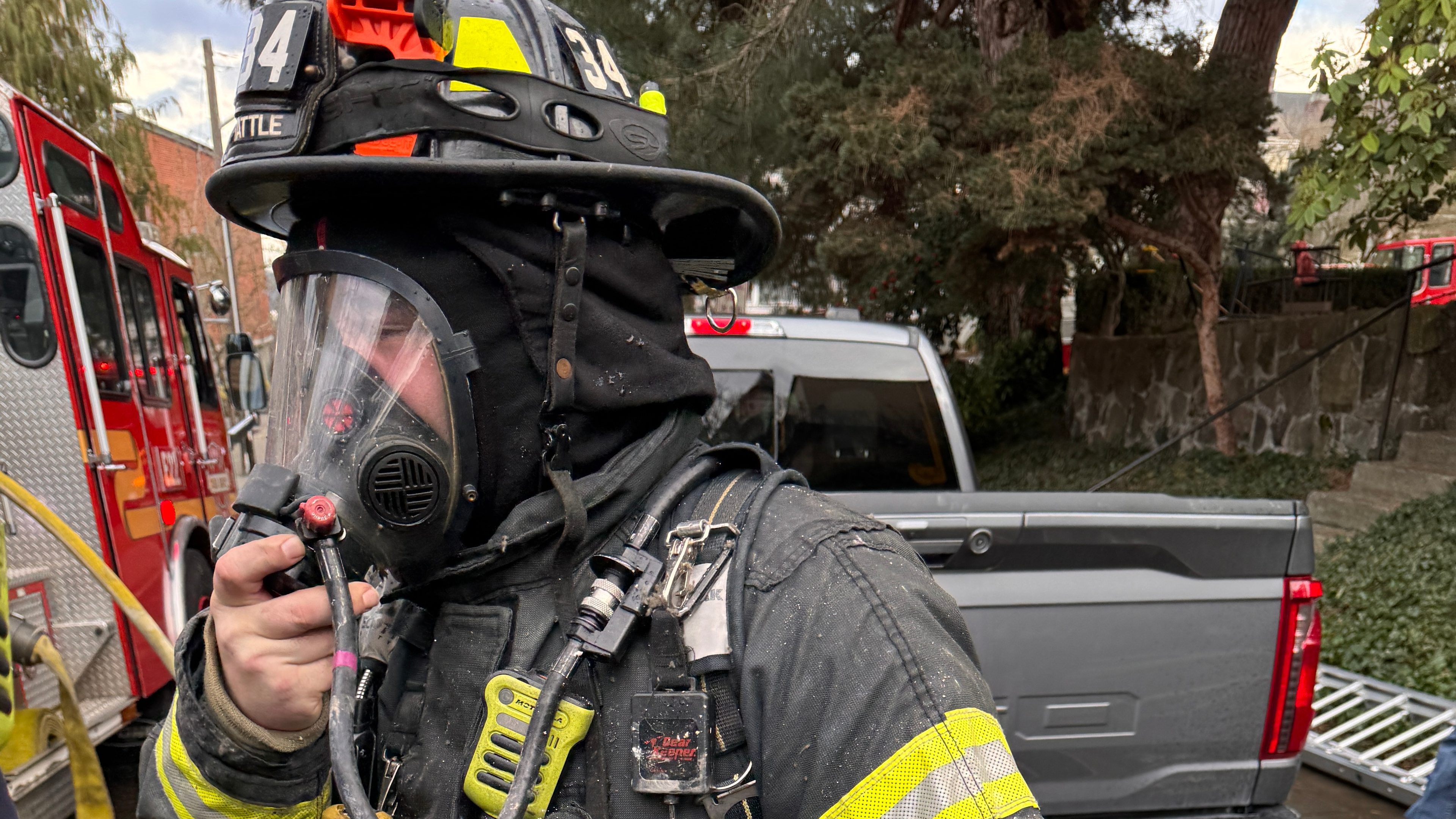

Picture your thousandth call. It isn’t dramatic: dragging a hose, carrying a ladder with the same awkward grip as the 999 times before it. Nothing about it is unusual, except that this is the call where the shoulder finally gives out. Injuries like this rarely arrive in a single moment. They accumulate, one routine shift at a time.
Occupational health researchers call the pattern a cumulative trauma disorder, or repetitive motion injury. It involves musculoskeletal damage from repetitive mechanical strain on muscles, tendons, ligaments, joints, and nerves. Normally, the body repairs tiny daily strains during rest. But repetition, forceful exertion, poor posture, and vibration can accumulate strain faster than the body can repair it. Eventually, these repetitive strains can lead to a larger injury.
Firefighters face many ergonomic risk factors simply because of the nature of the job. A large Finnish study of more than 48,000 public-sector employees found that firefighters were among the highest workplace injury rates of any occupation listed: 107 per 1,000 working years. A 2024 meta-analysis of 36,342 firefighters found the prevalence of musculoskeletal disorders to be 46%, with the low back the most commonly injured area at 34%.
Waiting for pain to occur is only waiting for the cumulative damage to rear its ugly head. Your body is constantly providing signals that something is wrong. Those signals can be in the form of discomfort, fatigue, stiffness, altered body mechanics, or slower recovery times. Ignoring those signs puts firefighters at a disadvantage, and what is normally an everyday task could become the final straw that causes injury. The best time to intervene is before the first ache.
The evidence for staying in shape as a firefighter is strong. In a study out of Tucson, Ariz., firefighters with the lowest aerobic fitness were 2.2 times more likely to be injured than the fittest. Each one-MET gain in aerobic capacity was associated with a 14% lower injury risk. The authors of that study concluded that departments should dedicate resources to structured fitness programming. When Tucson introduced this type of program for recruits, that class had significantly fewer injuries and claims compared to historical controls. This resulted in roughly $33,000 saved in claims.
Diet and body composition are often overlooked. In a prospective study of 347 career firefighters, those classed as obese were 5.2 times more likely to endure a musculoskeletal injury than their normal-weight colleagues. Those with a waist measuring more than 40 inches were 2.8 times more likely. A separate cohort of 478 firefighters found that those with severe obesity had nearly five times the odds of missing workdays due to injury. Body composition responds to what firefighters eat and how they train, which makes regular, balanced meals part of preventative maintenance.
It’s important to make maintenance a part of the job. Stretching the shoulders, hips, back, and wrists before and after shifts. Having a dedicated recovery plan after a call. Making aerobic and strength training a regular part of the week. Eating regular, balanced meals. Getting deep, restful sleep; sleep difficulties are a recognized risk factor for workplace injury. Reporting soreness early rather than waiting it out. All of these play a role in preventing injuries.
Your thousandth call is coming. Whether it ends with you finishing the shift or starting a career-altering injury depends largely on the habits you have formed. The stretching, the lifting, the meals, the previous night’s sleep, the acknowledgment of a sore shoulder. The body keeps the count, so don’t wait for the pain to start yours.