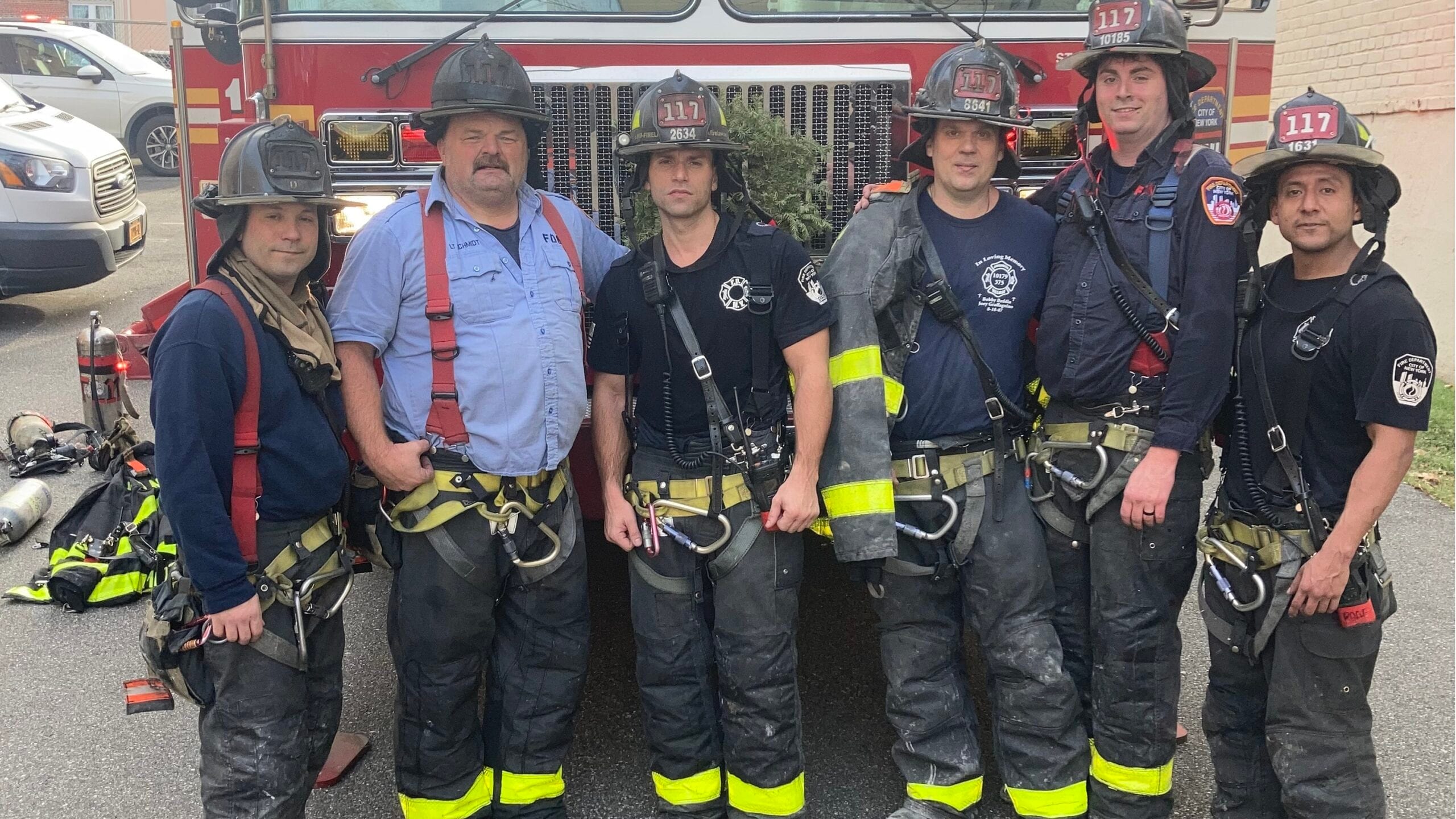
Lt. Don Schmidt and members of Ladder 117 of the FDNY.
Preparing for retirement is never simple for firefighters. For many of us, the firehouse isn’t just where we work — it’s where we belong. The idea of stepping away from the job, from the guys, and from the good times can feel impossible. But as I learned, sometimes the hardest fires to fight are the ones inside ourselves.
When I started thinking seriously about retirement, I found myself reaching out to the senior men who had guided me when I was a probie in the FDNY. They were the ones who showed me the ropes — not just how to fight fires, but how to live this life. Many of them were happy to offer advice again, this time about what comes after the job: getting financially ready, staying active, and, most importantly, taking care of your health.
At every reunion, promotion, retirement party, or, too often, funeral, I’d hear about another brother diagnosed with some kind of fire service–related illness. Guys I looked up to — men who had once seemed indestructible — now struggling with serious health issues. It’s sobering. But like a lot of us, I thought, that won’t happen to me.
The old-timers always said the same thing: “Get your physicals. Don’t skip them.” For us in the FDNY, that means scheduling your regular annual medical and your WTC medical six months apart. Stay on top of it. Be vigilant.
A Routine Check That Wasn’t Routine
So I did. I set up an appointment with Rob Brown at the New York Firefighters Heart and Lung. They ran the works — full blood panel, stress tests, lung function, ultrasounds — the kind of exam that leaves no stone unturned. When Rob and I sat down to review the results, everything looked good except for one tiny spot on my thyroid. “Nothing to worry about,” he said, “but we’ll keep an eye on it.”
A year later, that small spot had grown a little. Still nothing alarming, but enough to warrant another look. A year after that, it had grown again. That’s when I met with my endocrinologist, and we decided it was time for a biopsy. Normally, they wait until a nodule is bigger before doing that kind of test, but since we had been tracking it for two years, it made sense to act early.
The biopsy came back as a follicular neoplasm, more than a 95% chance it was cancer. Had we not caught this early, it may not have been detected for a few more years with regular examinations. By then it would have grown larger and possibly metastasized.
A Small Fire, A Big Lesson
We scheduled surgery, and a few weeks later, it was done. The pathology confirmed it — papillary carcinoma.
The good news was that we had caught it early. During a follow-up appointment we agreed to continue to monitor my thyroid with future screenings. I joked with my surgeon that our jobs weren’t so different.
“We have a fire, you had a plan prepared, and executed it with good results,” I said.
He smiled and replied, “Yeah — it was a small fire. Pretty routine.” It’s never routine for the person that has the fire.
Passing the Torch
Months later, at a promotion party for one of my guys, I found myself sharing the story with some of the younger members in my company — a few of them already counting down to retirement. I told them about the tests, the checkups, the follow-ups, and the importance of staying ahead of your health.
When you’re young, you think you’ll always be that way — strong, healthy, unstoppable. But time and the job catch up with all of us. The fire service leaves its mark.
I listened to my senior men when I was young, learned from their experiences, and still carry their lessons with me. Now, staying with our traditions, it’s my turn to pass that on. Because one day, what you do with that advice might save your life — or someone else’s.
Lt. Don Schmidt retired from the FDNY after 25 years of service with Ladder 154 and Ladder 117. He also served eight years with the Bethpage FD Ladder 3. He continues to share his experiences and advocate for firefighter health, wellness, and early detection through regular medical screening.