
In first-responder culture, trust can make a dangerous substance look safe
Trust does strange things to our perception of risk. A firefighter may question a medication prescribed by a physician — then take a powder handed to them by someone they trust with their life. If you have run into burning buildings with someone, worked a brutal call beside them, or trusted them to get you home alive, their recommendation carries enormous psychological weight.
This helped my back.
This gives me energy.
This takes the edge off.
It’s “natural.”
That last word is especially powerful.
We have been conditioned to hear natural and think safe. But “natural” only tells you where something came from. It tells you nothing about what it can do to your brain.
Hemlock is natural. So is tobacco. Deathcap mushrooms and deadly nightshade are, as well. And kratom is natural, too.
What is Kratom?
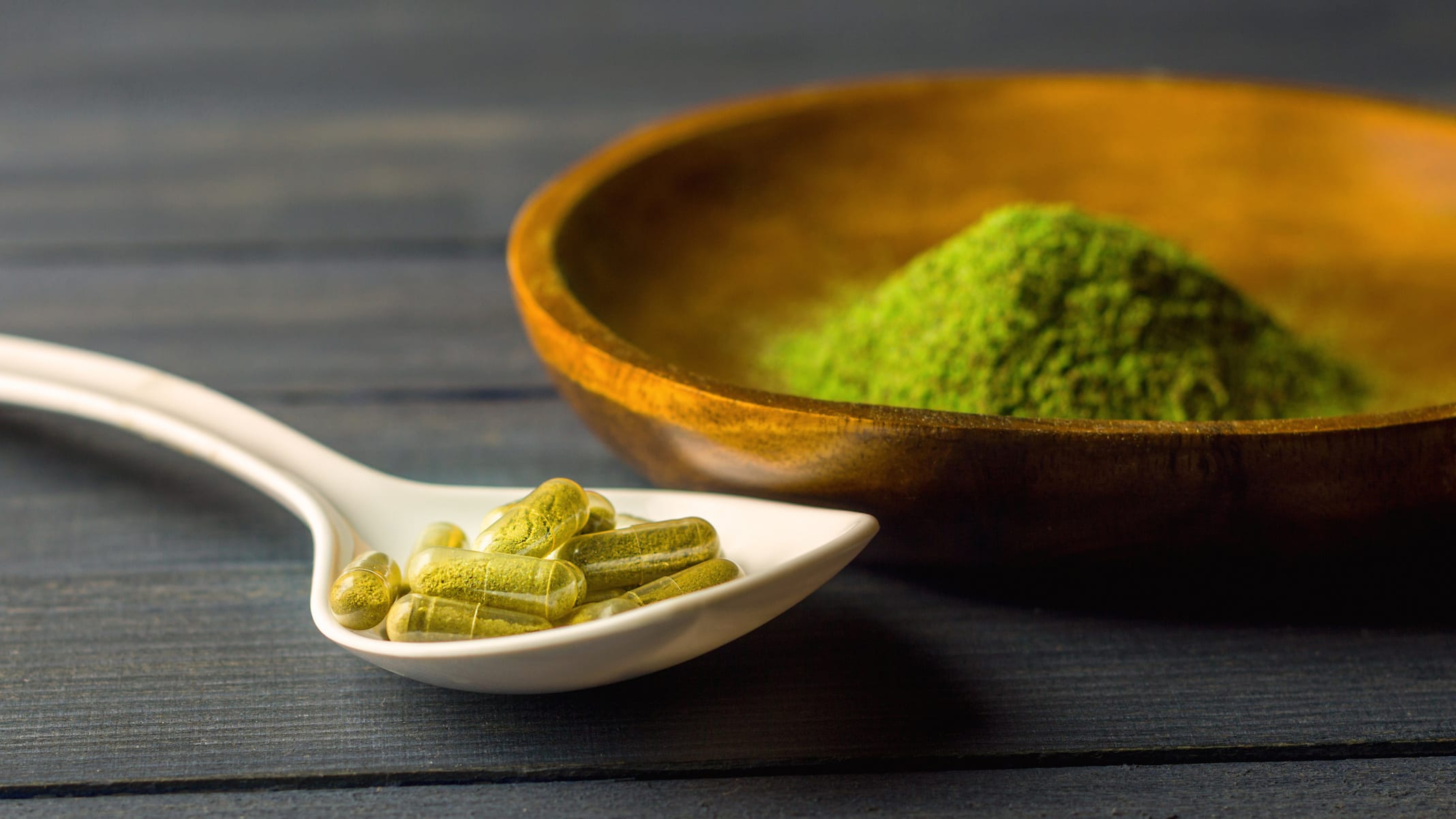
Kratom comes from a tree native to Southeast Asia. Its major compounds interact with opioid receptors in the brain, and regular use can produce tolerance, physical dependence and withdrawal. Some products now contain enhanced levels of 7-hydroxymitragynine, or 7-OH — a compound the FDA has specifically warned consumers about because of its opioid activity and potential for addiction and other potentially serious effects. (U.S. Food and Drug Administration)
In Canada, Health Canada has not authorized any kratom-containing product for human consumption and has seized unauthorized kratom products being sold to consumers. In the United States, kratom-related products are sold in powders, capsules, drink mixes, shots and other forms. And yet you’ll often find dangerous things like kratom in places that don’t feel like places where dangerous drugs are sold. Sometimes these things are sold in health and nutrition stores, in neighborhood convenience shops, or in all the gas stations dotting every freeway across the U.S. Sometimes, you can order them easily on the internet — not the dark net, the regular open internet.
Psychologically, we code something we can easily access as “probably just fine.” Because we often DO judge products by their packaging (and books by their covers). A pill bottle with a warning label makes us cautious. A colorful drink at a convenience store can make us drop our guard. But there’s another kind of packaging that is even more powerful: a recommendation from someone we trust. This is what I call the “Trojan Horse Effect” and it’s a dangerous pathway to addiction in some cases.
Trust is the Most Powerful Packaging
We aren’t necessarily trusting the substance. We are extending our trust in the person who handed it to us and transferring that trust to the substance. This is particularly powerful in military and first responder cultures, where trust isn’t an abstract concept. It becomes cemented under pressure.
This is how something potentially dangerous can move through a tribe without initially looking dangerous at all. It enters someone’s life looking like a reasonable, maybe even “healthy” solution. More energy for the shift. Something for chronic pain. Something to sleep. Something to take the edge off.
Then, for some people, relief becomes regular use. Regular use becomes tolerance. And eventually the person isn’t taking it to feel better anymore. They’re taking it because they feel terrible without it. That’s when another powerful force enters the picture: shame.
Kratom is a dangerous substance that enters peoples’ lives in disguise. With these kinds of deceptively dangerous things, trust gets it in, and shame keeps it hidden. This is the core mechanism of the “Trojan Horse Effect.”
Someone who would immediately recognize an alcohol or opioid problem may have difficulty admitting dependence on something they thought was a harmless supplement. In fact, I’ve worked with a number of people who got hooked on kratom because they were trying to get OFF of opioids, only to discover that the withdrawal they had from kratom was worse than the opioid.
That’s why I’m sounding the alarm now.
On Oct. 27, I’ll be speaking at the Public Safety Peer Support Association’s Wellness on the Front Line conference in San Diego, where I’ll dig much deeper into kratom, concentrated 7-OH products, dependence, and what peer supporters need to recognize. The conference runs Oct. 27–30.
I’ll be doing this in partnership with First Responders Malibu, whose team has been bringing attention to this emerging problem in the first responder community, through a video they recorded that has gone viral.
Because the next substance problem in public safety may not arrive looking like a drug problem. It may arrive looking like a wellness product. It may arrive with a friend. And it may arrive with the four most disarming words in the world: “Trust me. This works.”
Shauna ‘Doc’ Springer, PhD is a pioneering psychologist, award-winning Military Times podcast host, and one of the world’s leading experts on psychological trauma, moral injury, suicide prevention, close relationships and the unique needs of the military and first responder communities. Doc Springer provides highly specialized consultation and confidential advising to organizations and public safety agencies that support protectors and defenders through her company THIN LINE ADVISORY.