
This is how firefighters say, ‘I’m burned out’
Mental Edge Mondays is a new column built for one purpose: to give firefighters direct, usable psychological insights that hold up under operational pressure.
Some weeks will expand on themes from Kory Pearn’s Friday Truth. Some weeks, I’ll introduce new lines of thinking – like this recent article about how dark or self-destructive thoughts don’t automatically mean someone is suicidal — and why that distinction matters in this profession. And some weeks it will be an “Ask Doc Springer” response to a reader question that carries weight for the broader CRACKYL audience.
I’m Dr. Shauna Springer. I work with military, first responders, and tactical professionals on psychological performance under extreme conditions — helping people stay sharp, connected, and internally intact across a career of exposure.
Let’s drop in …
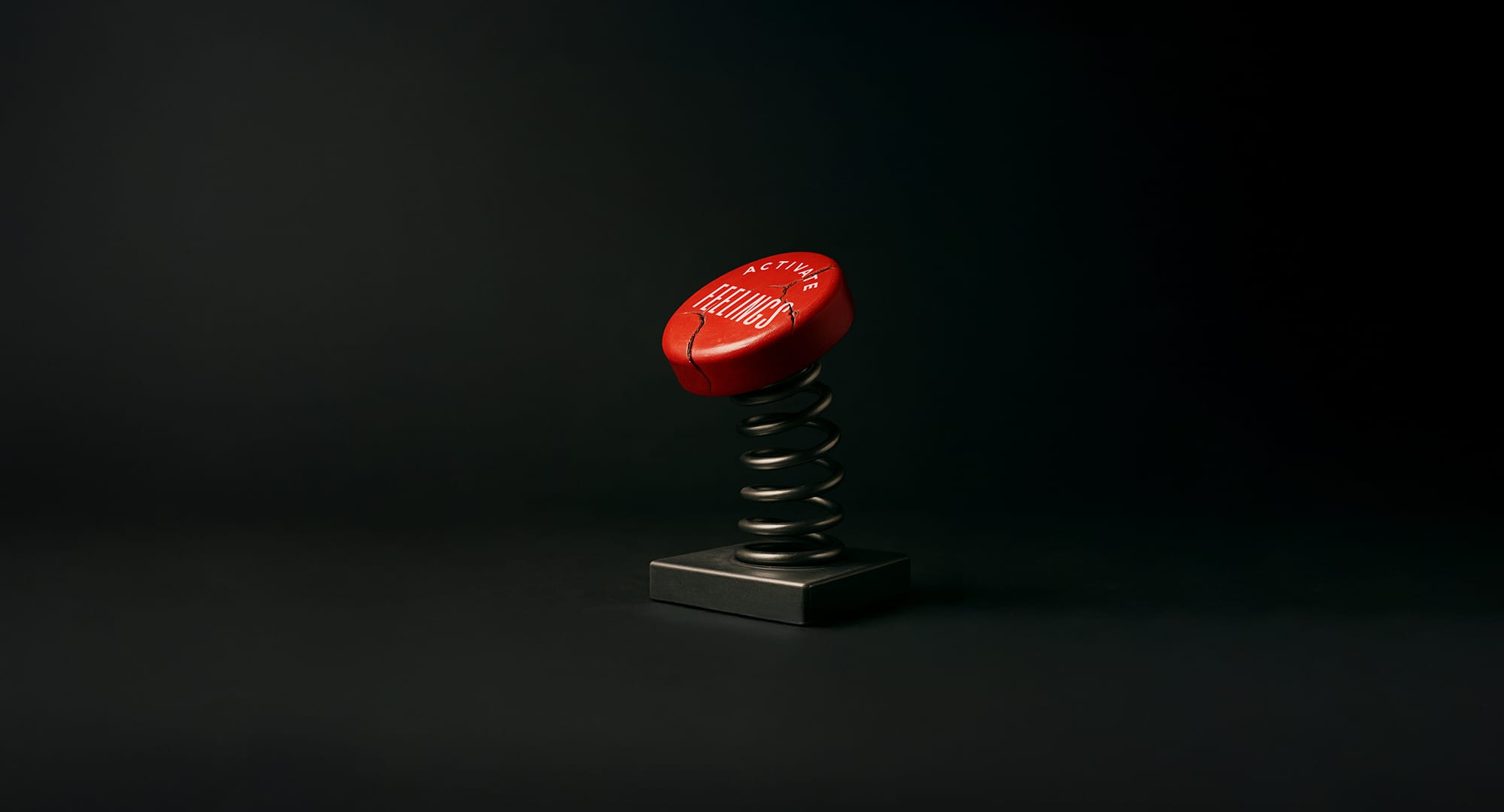
There’s a moment that happens to a lot of firefighters where “I’ve got zero fucks left” stops being a joke and starts becoming a lifestyle.
Not all at once. Slowly.
At first, it sounds harmless. A way to survive the constant demands of the job. The endless calls. The interrupted sleep. The mandatory overtime. The constantly changing policies. The feeling that everybody wants something from you all the time.
You say it because you’re tired.
Then one day you realize you’re not just saying it at work anymore.
You’re saying it at home – not always out loud – sometimes in that still, small voice in your head.
You stop caring about the hobbies you used to love. You stop answering texts from people you care about. Small things irritate you faster than they used to. You catch yourself zoning out during conversations. Or you sit in your recliner on your days off for hours on end – gaming so hard that your retinas develop a heartbeat.
Meanwhile, from the outside, you still look fine.
You’re still making calls. Still joking around. Still getting the job done.
That’s the dangerous part.
A lot of firefighters think burnout looks like falling apart. Most of the time it doesn’t. Most of the time it looks like functioning while emotionally shutting down inch by inch.
The same thing happens to warfighters in units that are repeatedly deployed to kinetic environments. The nervous system adapts to prolonged stress by conserving energy wherever it can.
Eventually, if you run hot long enough, your brain starts trying to protect you by numbing things out. The problem is it doesn’t only numb the bad stuff. It starts numbing everything.
You stop feeling excited. You stop feeling connected. You stop feeling present.
And if you’re not careful, cynicism starts feeling normal.
The fire service sometimes accidentally rewards this. The salty senior firefighter who “doesn’t care anymore” can become this weird badge of honor. Like emotional shutdown somehow proves experience.
But there’s a difference between maturity and emotional exhaustion.
The experienced firefighters everyone trusts most usually are not the ones who became completely numb. They’re the ones who figured out how to stay steady without becoming cold. They still care about the rookie struggling in silence. They still treat patients like human beings. They still go home and try to stay connected to their families even when the job pulls hard in the opposite direction.
This requires both elasticity and strength – way more strength than pretending nothing affects you.
Here’s a key insight: protecting your peace and becoming emotionally unavailable are not the same thing.
Some things absolutely deserve less access to your nervous system. Not every fire deserves your fuel. Not every department argument matters. Not every social media opinion deserves your energy. Not every problem is yours to carry home.
But if you completely shut off your ability to care, eventually the job starts taking things from you that you never intended to give away.
Your patience. Your identity. Your relationships. Your ability to feel alive outside the station.
You’re incredibly good at pushing through exhaustion. As Scott Ross, a retired fire captain of the Los Angeles county fire department once put it, “we work everyday in the exhaustion.”
The danger to get ahead of is normalizing existing in a depleted state for so long that you forget what healthy even feels like anymore. (Ross hasn’t fallen into this danger. Even after 32 years of active service, he still has a twinkle in his eye. He’s not numb – he has lots of fuel in the tank).
But I’ve seen what numb looks like all too often: people often say they can’t remember the last time they felt happy or relaxed in their bodies.
And often someone who says they have “no fucks left to give” is openly saying, in a socially accepted way, that they are running on empty and close to hitting the wall.
Protecting your energy is healthy. Protecting your humanity is essential.
Because this job needs firefighters who can still feel something after the smoke clears.
***Shauna ‘Doc’ Springer, PhD**is a pioneering psychologist, award-winning Military Times podcast host, and one of the world’s leading experts on psychological trauma, moral injury, suicide prevention, close relationships and the unique needs of the military and first responder communities. Doc Springer provides highly specialized consultation and confidential advising to organizations and public safety agencies that support protectors and defenders through her companyTHIN LINE ADVISORY*.