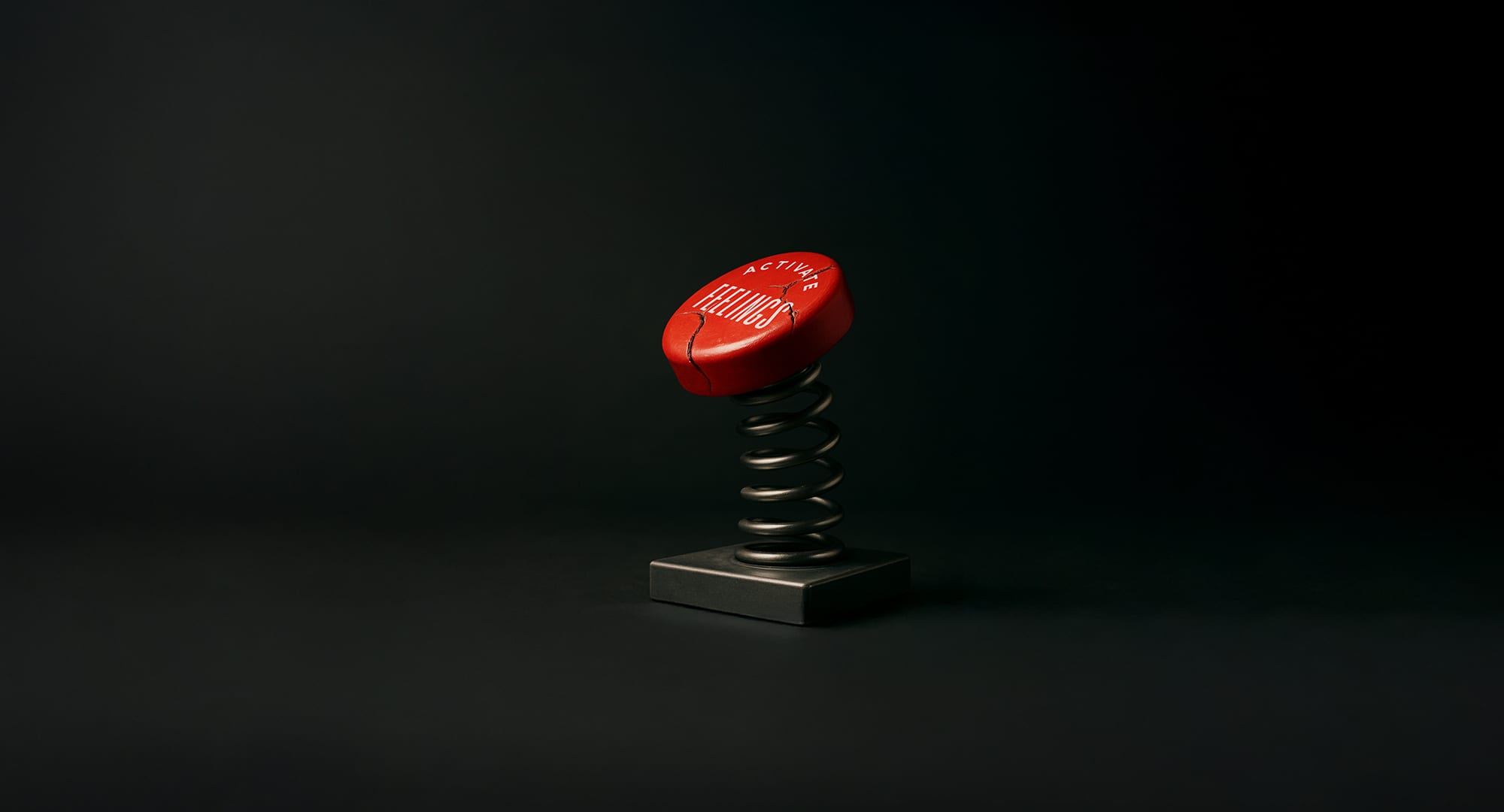


Recently, one of my clients came to me excited about a technology they were considering purchasing. The device came with a subscription and was being marketed as a way to help regulate the nervous system and return people more quickly to a state of calm.
I understood the appeal. We are living in a moment when being “tech forward” has become almost synonymous with being innovative. In behavioral health, we now have wearables tracking sleep and heart rate variability, devices designed to influence the nervous system, neurofeedback, biofeedback, virtual reality, and apps that promise to help us understand and change what’s happening inside our bodies. Some of this technology is impressive. Some has good research behind it. Some is promising but still emerging.
In this case, when I dug into the evidence, I found the marketing claims were not always matched by what the research supports. But the process of looking into the technology raised a bigger question for me.
In our enthusiasm for being “tech forward,” are we overlooking interventions that are decidedly technology backwards?
By that I mean some of the oldest ways human beings have helped one another regulate, recover, and heal: the face, the voice, physical presence, trust, appropriate touch, and the experience of being with someone who understands you and is not frightened by what you are experiencing. These things can look almost primitive next to a device producing biometric data, but old doesn’t mean unsophisticated, and newer doesn’t necessarily mean more powerful.
What actually drives outcomes?
Researchers have spent decades trying to understand what makes therapy effective. Technique and training matter. So do the capabilities and personality of the clinician or peer supporter, whether they have good consultation when they need it, and whether the intervention fits the person and the problem.
Across different types of psychotherapy, one of the most consistent findings is the importance of the therapeutic alliance. A large meta-analysis involving 295 studies and more than 30,000 patients found a reliable relationship between the strength of that alliance and treatment outcomes. The therapeutic alliance is more than liking your therapist. It includes whether you trust this person, believe they understand you, and have confidence in what you’re doing together.
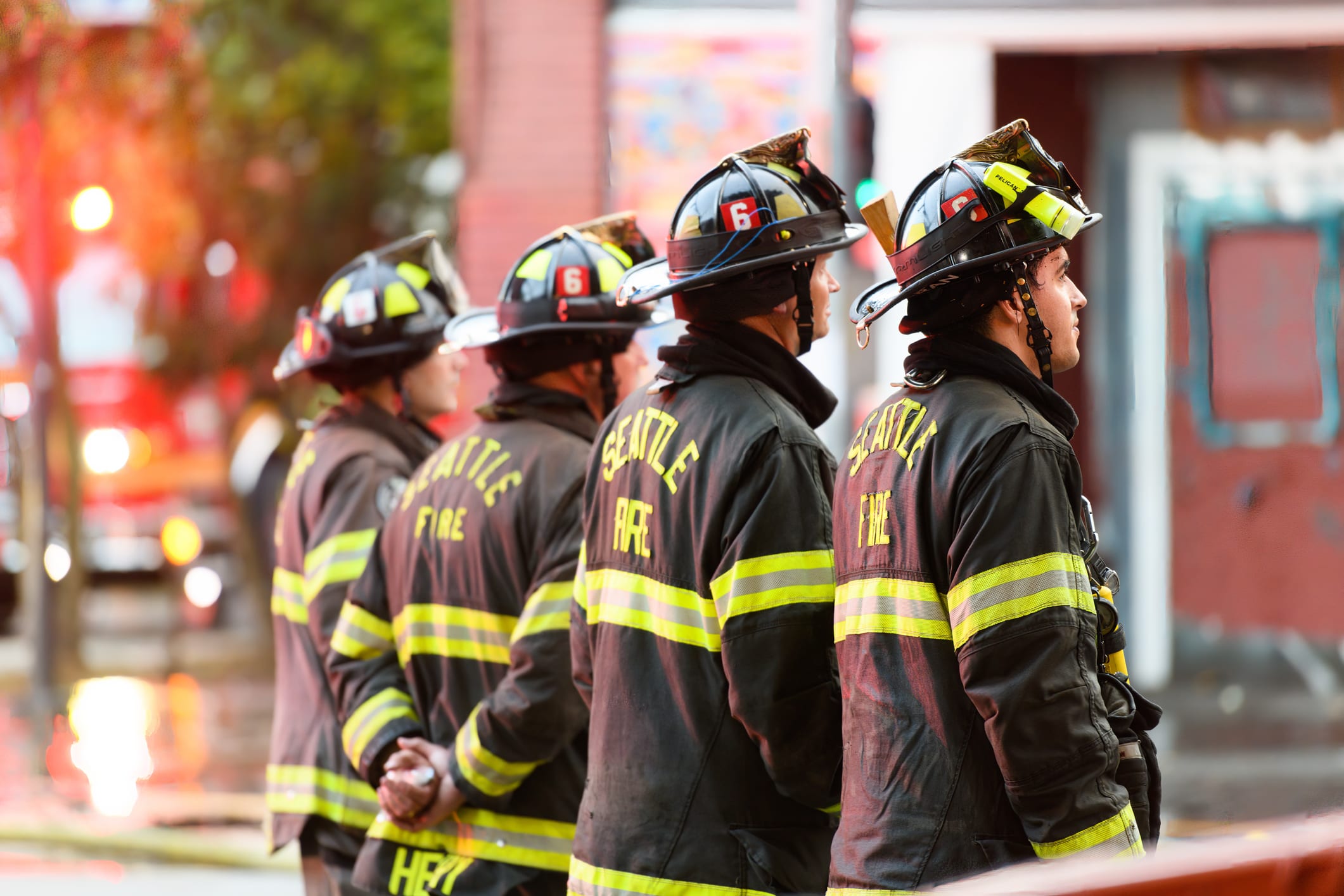
For firefighters, I would add another question: Does this person actually get my world?
I have spent much of my career working with people who can detect very quickly when someone doesn’t understand their culture. You can have impressive credentials and excellent clinical training and still lose someone in the first 10 minutes. Maybe you react to a story in a way that tells them you haven’t heard many stories like theirs. Maybe they make a dark joke and you become visibly uncomfortable. Maybe they have to stop and explain something about the job that everyone in their world already understands. They start editing what they tell you, and once that happens, the quality of the help you can provide changes.
The relationship isn’t just the delivery system for the treatment. It’s part of the treatment, including because we regulate ourselves through our relationships with other people.
We regulate through other people
Regulation is often described now as something we do individually. Breathe this way. Use this app. Put on this device. Watch this biometric. Those tools can be useful, but human beings also regulate through relationships. There’s a growing body of research on interpersonal synchrony showing that during human interaction, aspects of our behavior and physiology can begin to coordinate.
Firefighters don’t need a research paper to understand the experience. Imagine coming back after a call that got under your skin. Your hands are still shaking, your thoughts are moving fast, and you can’t quite settle. Then someone you trust sits down next to you. They aren’t alarmed by your alarm or immediately peppering you with questions. Their voice is steady. Their face is familiar. They know when to talk and when to shut up. Your nervous system is taking in all of that information.
The effect can also move in the other direction. Someone who becomes visibly alarmed, rushes to give advice, or can’t tolerate what they’re hearing can increase the activation in the room. Instead of being able to unload some of what you’re carrying, you may find yourself monitoring and managing the person who is supposed to be helping you.
This is part of co-regulation. We affect one another, often without consciously realizing it, which is why simply putting another human being into the equation isn’t enough.
It has to be the right human being
A strong peer supporter needs more than good intentions. They need the temperament and training to remain steady when someone else isn’t steady, the judgment to know when to listen and when to ask more, and enough understanding of their limits to recognize when someone needs a different level of support.
The same applies to clinicians. Credentials and clinical training are important, but they don’t automatically create trust. Someone working with firefighters needs enough understanding of the culture, psychology, relationships, and realities of the job that the firefighter doesn’t have to spend half the conversation translating their world or wondering whether the person sitting across from them can handle what they’re about to say.
So, I’m not arguing that humans are always better than technology. I’m arguing for the right human beings, and for technology that makes those people more effective.
Where technology can help
Technology can give us information we might otherwise miss. A wearable may show someone’s sleep and recovery have been deteriorating for several weeks while they continue to say, “I’m fine.” Biofeedback may help someone recognize activation earlier. A device may help someone settle enough to engage more fully with a trusted peer or clinician. These are examples of technology adding something useful to an intervention rather than trying to become the intervention itself.
For departments investing in wellness, I would start with the human infrastructure. Do firefighters already have people they’ll actually turn to when things start going sideways? Have peer supporters been selected because they have the temperament for this work and then trained to do it well? Are there people with clinical expertise who also understand the culture well enough to earn trust before someone reaches a crisis?
The way to scale trust is to start with the people firefighters already trust, then equip and train them to become the strongest peer team they can be. That includes giving them the right backup and consultation from people who bring both clinical expertise and a genuine understanding of the ethos and psychology of those who protect and defend us.
Technology can then strengthen that human infrastructure by providing better information, helping people recognize changes earlier, and sometimes helping someone regulate enough to connect with a person they already trust.
There’s exciting work happening in technology, and I expect these tools will continue to improve. But our drive to be “tech forward” can cause us to overlook some of the most sophisticated systems we already have. Sometimes what looks “technology backwards” may actually move us forward.
Shauna ‘Doc’ Springer, PhD is a pioneering psychologist, award-winning Military Times podcast host, and one of the world’s leading experts on psychological trauma, moral injury, suicide prevention, close relationships and the unique needs of the military and first responder communities. Doc Springer provides highly specialized consultation and confidential advising to organizations and public safety agencies that support protectors and defenders through her company THIN LINE ADVISORY.