
… trauma doesn’t get to run up the score forever
Kory Pearn’s Friday Truth, You Can’t Recover in Fight Mode, brings up some critical points. First, when the nervous system remains stuck in fight-or-flight mode, sleep, recovery, relationships, and performance all suffer.
That observation is exactly right.
Second, the sequencing piece is something I’ve focused on for many years. As a trauma psychologist, I no longer feel that talk therapy should be the first intervention many first responders should receive. Often, what is needed is to first address injuries to the fight-or-flight system. Doing this first unlocks the value of what a good Doc can do. If someone breaks their leg, you do surgery first, then physical therapy.
However, there is another piece of the story firefighters deserve to know.
Yes, the body keeps the score. But trauma does not get to keep running up the score forever.
This week’s article is adapted from a piece I recently wrote for the National Fraternal Order of Police entitled “Migrating What Works in Special Forces to the LEO Community.”
The central idea was simple: since we’ve found effective ways to help special forces operators recover from repeated trauma exposure, we’ll get the same results if we use these methods in public safety. (And in fact, after seeing hundreds of first responders get treated, we do get the same results. So, trauma does not get to run up the score indefinitely).
Cumulative Trauma
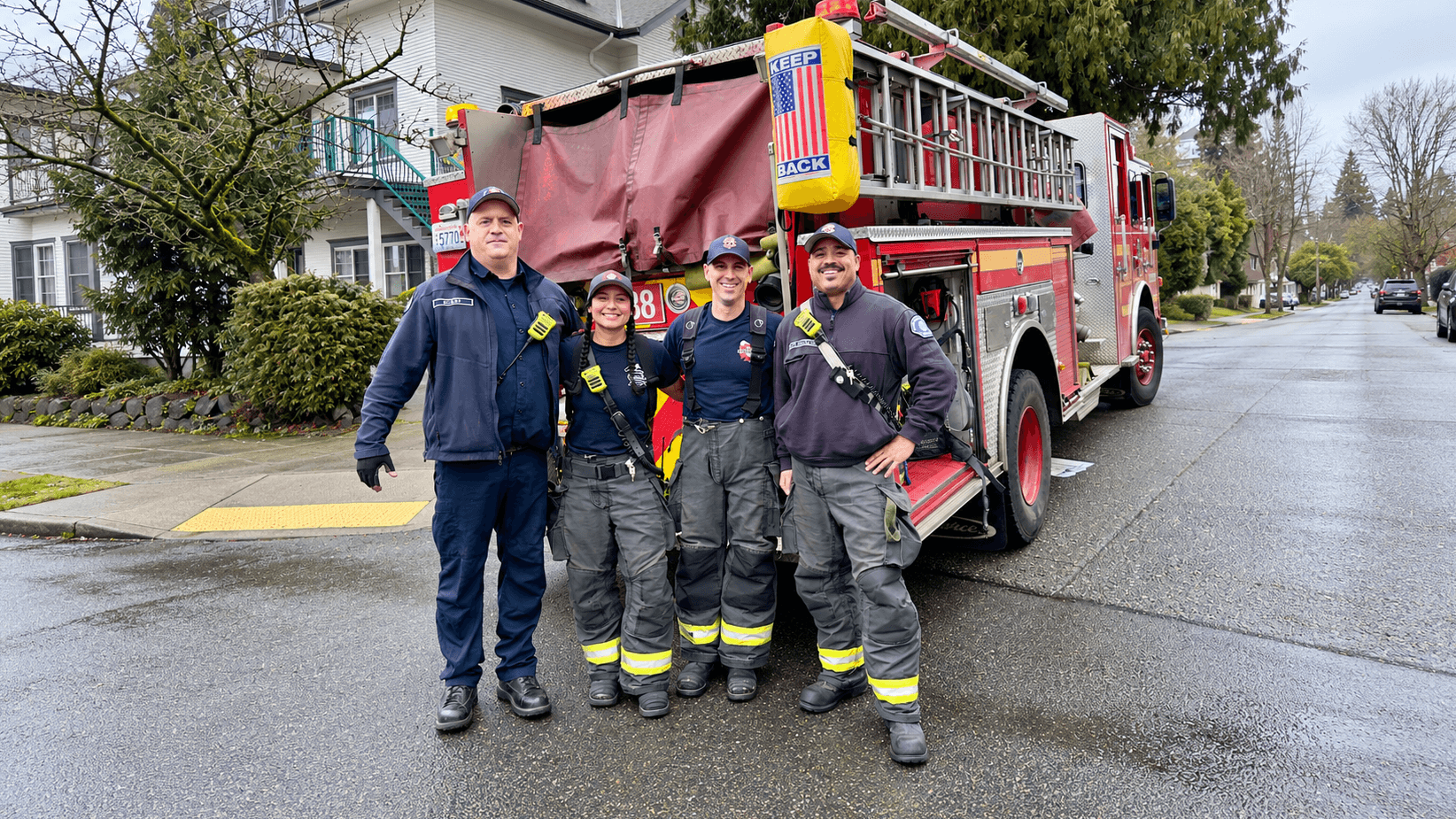
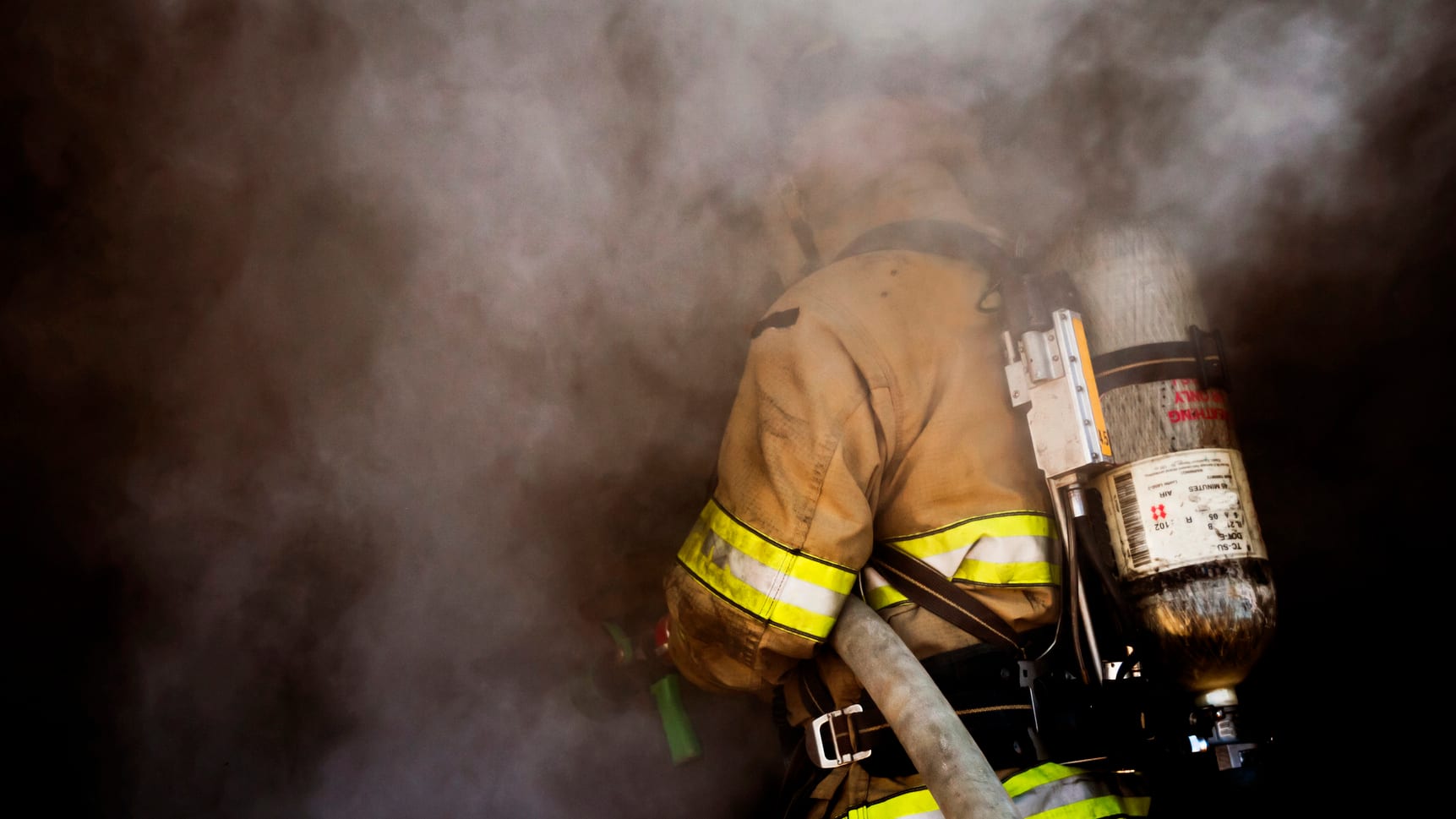
Firefighters, like police officers, accumulate trauma exposures over the course of a career. Some incidents leave a mark because of their severity. Others become part of cumulative “wear and tear” that changes how our bodies operate.
Research shows that law enforcement officers can experience hundreds of trauma exposures throughout their careers. Over time, these repeated exposures can create what I call a “hair trigger nervous system.”
The term comes from an analogy to “trigger finger,” a condition that develops when repeated use causes a finger to become locked in a bent position. In much the same way, repeated trauma exposure can leave the nervous system stuck in a chronic state of activation.
When that happens, first responders (just like warfighters) often describe a familiar set of symptoms:
· Restful sleep becomes disrupted or impossible
· Anxiety spikes appear without warning
· Irritability spills out at home with loved ones
· Concentration goes out the window
· Hypervigilance is continual, even when someone tries to relax in what should be a “safe” environment
Warriors and first responders alike say things like:
“I feel like a muscle car that can’t throttle down.”
“I’ve lost the ability to turn off that switch. I’m never really ‘calm’ anymore.”
- “No matter what I do, my body is wired for sound.”*
Maintenance Tools Versus System Reset Tools
Practices such as breathwork, exercise, sleep hygiene, mindfulness, and nervous system regulation are valuable. I recommend many of these approaches myself.
But there is an important distinction worth making. Some interventions are excellent for maintaining a regulated nervous system. They are not always sufficient when someone actually needs a system reset. Those are two different goals.
If a firefighter’s nervous system has become chronically locked into survival mode after years of exposure to tragedy, danger, and human suffering, asking them to regulate that system can sometimes feel like asking someone to manually release a brake that has rusted into place.
This is where a treatment called Dual Sympathetic Reset Stellate Ganglion Block, or DSR SGB, deserves serious attention.
DSR SGB evolved from a procedure that has been documented in medical literature for nearly a century. More recently, it has gained attention because of its ability to reduce symptoms associated with an overactive fight-or-flight response.
Does Calming the System Reduce Readiness?
Importantly, this is not about dulling performance. In fact, one of the biggest misconceptions among firefighters, police officers, and military personnel is the fear that calming the fight-or-flight system will somehow reduce operational readiness.
The evidence suggests the opposite.
Research involving active-duty service members found that SGB did not impair neurocognitive performance and actually improved their reaction time. This is one reason why this treatment has gained traction within special operations communities. The goal is not to remove the edge. The goal is to remove the burden of unnecessary activation so the edge is available when it’s needed.
The most effective use of DSR SGB is not as a standalone miracle cure. Like many of the best interventions in medicine, it works most powerfully when paired with the work of Docs that get it and other evidence-based approaches.
Think of it this way: many firefighters spend years trying to manage symptoms that have been generated by a stuck nervous system. DSR SGB offers the possibility of helping that system reset, creating a stronger foundation for everything else that follows.
The body keeps the score. That’s true.
What many firefighters do not yet know is that the score can change – with the right treatments and the right insights.
If you would like to review the peer-reviewed research on DSR SGB, or hear directly from first responders who have undergone treatment and shared their experiences on video, I invite you to reach out to me. See the evidence. Hear the stories. Then decide for yourself whether it may be time to migrate what works in special forces into the fire service.
Shauna ‘Doc’ Springer, PhD is a pioneering psychologist, award-winning Military Times podcast host, and one of the world’s leading experts on psychological trauma, moral injury, suicide prevention, close relationships and the unique needs of the military and first responder communities. Doc Springer provides highly specialized consultation and confidential advising to organizations and public safety agencies that support protectors and defenders through her company THIN LINE ADVISORY.