Let's say you get a coffee before work to wake yourself up for your 24-hour shift. The coffee was the means, and the end was to boost your energy and mood for your shift. You bought your spouse flowers as an apology following a conflict. The flowers were the means, and the end was a happier spouse. But what if you did the dishes and cleaned the house because you were hoping for intimacy from your partner? Since both those acts of service were your means and the end, well that was for you.
But is this wrong?
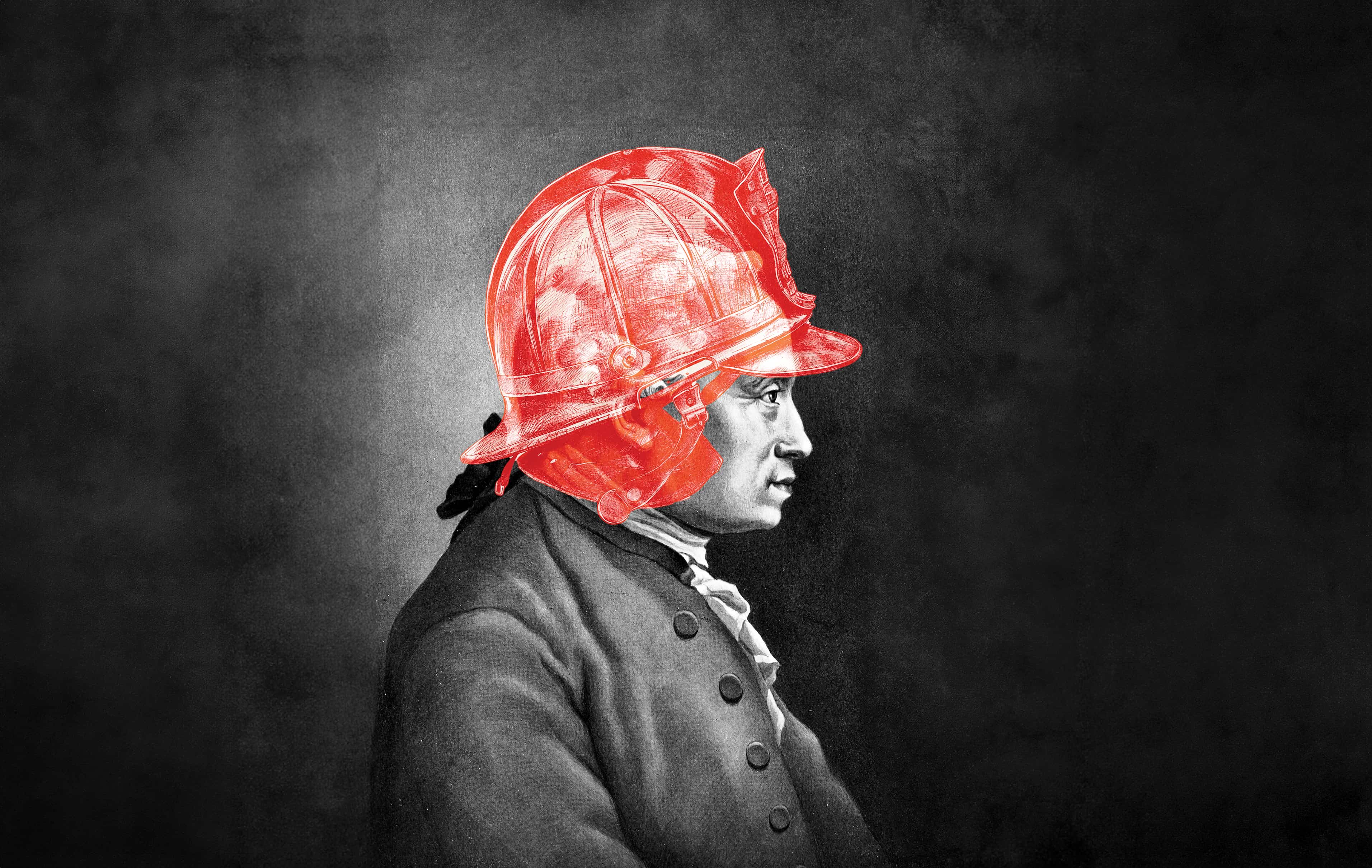
If you’re German philosopher Immanuel Kant, then you would say that this is morally wrong. He argued that doing anything to achieve a particular end does a disservice to both parties. Or, as he put it, “Act that you use humanity, whether in your own person or in the person of any other, always at the same time as an end, never merely as a means.”
Confusing?
Kant believed in the power of rationality, or more specifically rational thought. He focused on our consciousness and showcased the ways in which each person’s unique characteristics contribute to how they act as humans.
Mark Manson, a New York Times bestselling author, took a new perspective on Kant’s definition of a “means to an end”, arguing, “We are too obsessed with accumulating more means and are hopelessly oblivious to the ends that drive us.”
Interesting. But hang on – isn’t being selfish important for self-care? Why is it bad to have a means to an end?
At work, we do things for the right reasons, not because we are looking for thanks. This is the nature of being a firefighter. We take on this role gratefully, without any thought of being owed something in the end. But shouldn’t we carry that same standard into our home life and the people in it? Are we creating a double standard if we think that our actions deserve thanks?
The reality is that Kant wasn’t a firefighter battling a life-work balance that keeps everyone happy, supported and safe. Kant never had to worry about serving the public and his family.
We are the same people at work as we are at home in terms of our baseline morals and ethics.
Home is a safe place where we might sometimes be allowed to feel selfish, but should our time and efforts be rewarded because those hours at home are far more limited and precious? How can we tip the scale back to doing things for the right reasons – as we do at work? And should we?
If you’ve ever heard the phrase, “Be the person your dog thinks you are”, then you have a good sense of where Kant was coming from. It’s hard because we humans aren’t perfect and the pedestal we try to climb is is high and slippery.
We know subconsciously what we need to get up and down, but that doesn’t mean we traverse it easily or without sacrifices. We take and need to absorb at the same rate – a process called neutralizing. Being selfish isn’t bad. In fact, it’s a huge part of self-care.
We all have two monsters that we need to feed: the one at work and the one at home.
Having a means to an end at work is pure. At home, our means to an end is skewed because we do things in order to get what we want, to make us whole and enable us to go back to work to do things for the right reasons. It’s a normal part of our neutralizing process.
When we find ourselves teetering between doing things for the right reason rather than for our own gain, we need to remember that we are the same people at work as we are at home in terms of our baseline morals and ethics. If you find yourself doing chores and expecting some type of gain, take a step back and evaluate the process of transitioning from your work monster to your home monster.
Kant might have been off base on some of his theories, but his evaluation of a means to an end has survived the test of time. And Manson had it right when he said that Kant’s theory had an impressive ripple effect. “Your improved ability to be honest with yourself will increase how honest you are with others. And your honesty with others will influence them to be more honest with themselves, which will help improve everyone’s lives.”
When we understand a means to an end, we can apply it to our lives and decisions. While ordering coffee for a clearer head is fairly benign, doing a favor for a pre-meditated return has a far bigger sting factor. We are good people working in a career that is full of thankless actions. The sooner we come to terms with our work life trailing behind us into our personal life, the sooner we will be able to ensure that our “ends” aren’t sinking our moral boats before they’ve had a chance to set sail.
Who knew that a German philosopher who never set foot outside his home town could know so much about why we do the things we do?
If Kant were alive today, we suspect he might suggest the following: Instead of allowing your means to an end to follow a one-sided design, shake up your approach. Clean the house without any expectations. Give your spouse flowers just because. Initiate sexual pleasure with your partner without trying to accumulate brownie points first. Most importantly, take a step back and realize that, here in the fire service, we are probably the most selfless people on the planet.
And go ahead and get a coffee for all the same reasons you had before – we understand.