For generations, the psychology of work-life balance was rooted in a strict division of labor — both practical and emotional. Men were slated to provide security and financial stability, while women nurtured children and managed the home. These roles dictated not only how individual success was measured, but also who was entitled to express certain emotions and how. Dad’s overtime shift was unquestioned; Mom’s presence at home was a given. Emotional expression was carefully rationed, particularly for men, for whom silent endurance was seen as a virtue.
This virtuous silence was especially suitable for those employed in high-stress, high-trauma professions. Their skill in detaching and separating from their experiences on the job transitioned seamlessly to the emotional reserve expected at home.
But as society evolves, so do its expectations. The fire service is no exception. As the service evolved from community bucket brigades into professional medical specialists and fire science, so too evolved the ideal traits and characteristics that defined a successful firefighter.
Evolving Roles at Work and at Home
The singular demand for brute strength and endurance was replaced by a capacity for complex problem solving and compassionate interpersonal skills. In our homes, blended families, single parents, and same-sex couples have redefined what it means to be a provider or a nurturer. Both men and women now want partners who contribute monetarily and emotionally to the relationship; dual income households are the norm. These changes have necessitated a rebalancing of emotional responsibilities.
Men seek to nurture their personal and parenting relationships with responsiveness and engagement; women in traditionally male-dominated fields no longer accept being “one of the boys” as the path to integration but earn respect for their unique contributions — not in spite of their gender, but because of their competence.
When Stoicism Becomes a Liability
This shift has practical consequences, too. The shield of stoicism and emotional detachment is still essential for survival in high-stress professions, yet this strategy has become a liability in our personal relationships. A stoic demeanor won’t comfort a crying infant or empathize with a spouse’s stressors in her workplace. But emotional vulnerability and empathic capacity leave us feeling defenseless and exposed to the horrors of the job. The boundaries between work and home blur, making it harder to make the switch from the emotional armor of the job to the tenderness needed at home.
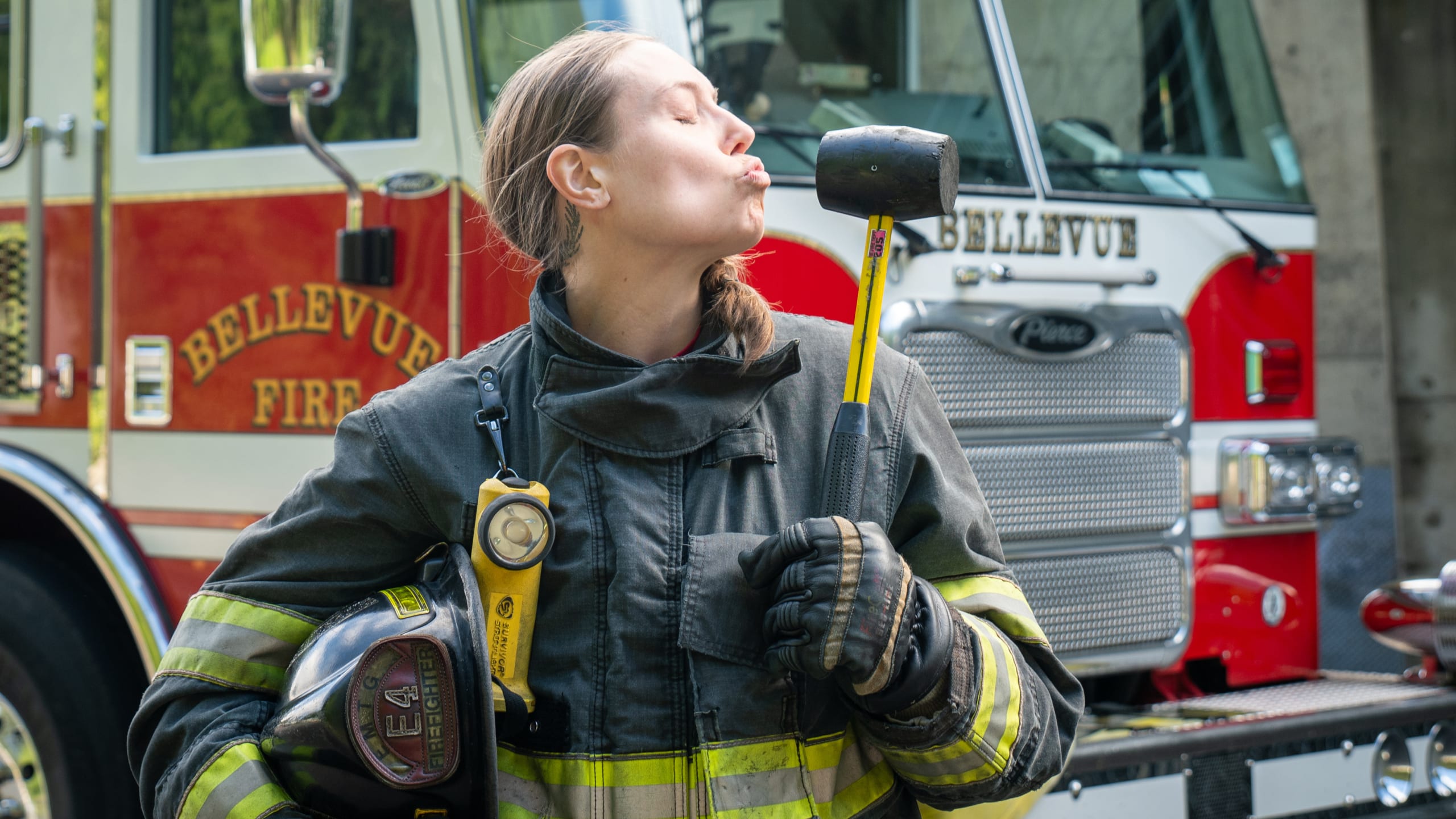
Women pioneers of firefighting have navigated this very dilemma for decades. They embraced the essential detachment and stoicism to prove their fortitude on the crash scene and then wrestled themselves back into the nurturer role when they got off shift and returned to their families. At the time their challenging circumstance was unique and largely invisible.
Redefining Resilience and Mental Toughness
Today, the implications of this shift reach deep into our views on resilience, stress, trauma, and recovery. The notion of mental toughness has transformed from emphasizing suppression and containment to recognizing the importance of vulnerability.
Trauma and emotional pain have been re-positioned as predictable experiences to be acknowledged rather than dismissed. But there is reasonable tension in this transition, particularly among those whose forefathers defined personal success with being a steadfast provider and stoic protector. When seeking validation or affirmation from mentors rooted in these traditional ideals, individuals perceive themselves as inadequate or insufficient, feeling overwhelmed instead of resolute, affected rather than strong, financially constrained by family obligations, and misunderstood when loved ones interpret their protective silence as as rejection or disinterest. The perception of falling short is felt both at home and at work, contributes to depression and anxiety, and strains natural recovery from trauma.
Addressing the Perception of Falling Short
The notion of falling short must be addressed in our fire houses and in our living rooms. Chiefs and senior leaders brought up in the previous era owe the next generation of firefighters a willingness to appreciate the changed context in which they serve. Expectations for silent emotional endurance, over-time coverage, callbacks, and participation in extra duties, such as parades and fundraisers, must adapt to the real circumstances of their lives.
For themselves, firefighters must engage in communication and transparency with their loved ones about the challenges of the mental transition between shift and home. Routines and strategies can be developed to create opportunities for the transition even in the most hard-pressed family schedules.
Lastly, but most importantly, firefighters and leaders must allow themselves some grace. Both leaders and new firefighters are navigating a landscape uncharted. If we work together to find balance between emotional engagement and necessary stoic detachment, we will lay the groundwork for more resilient departments, individuals, and families.