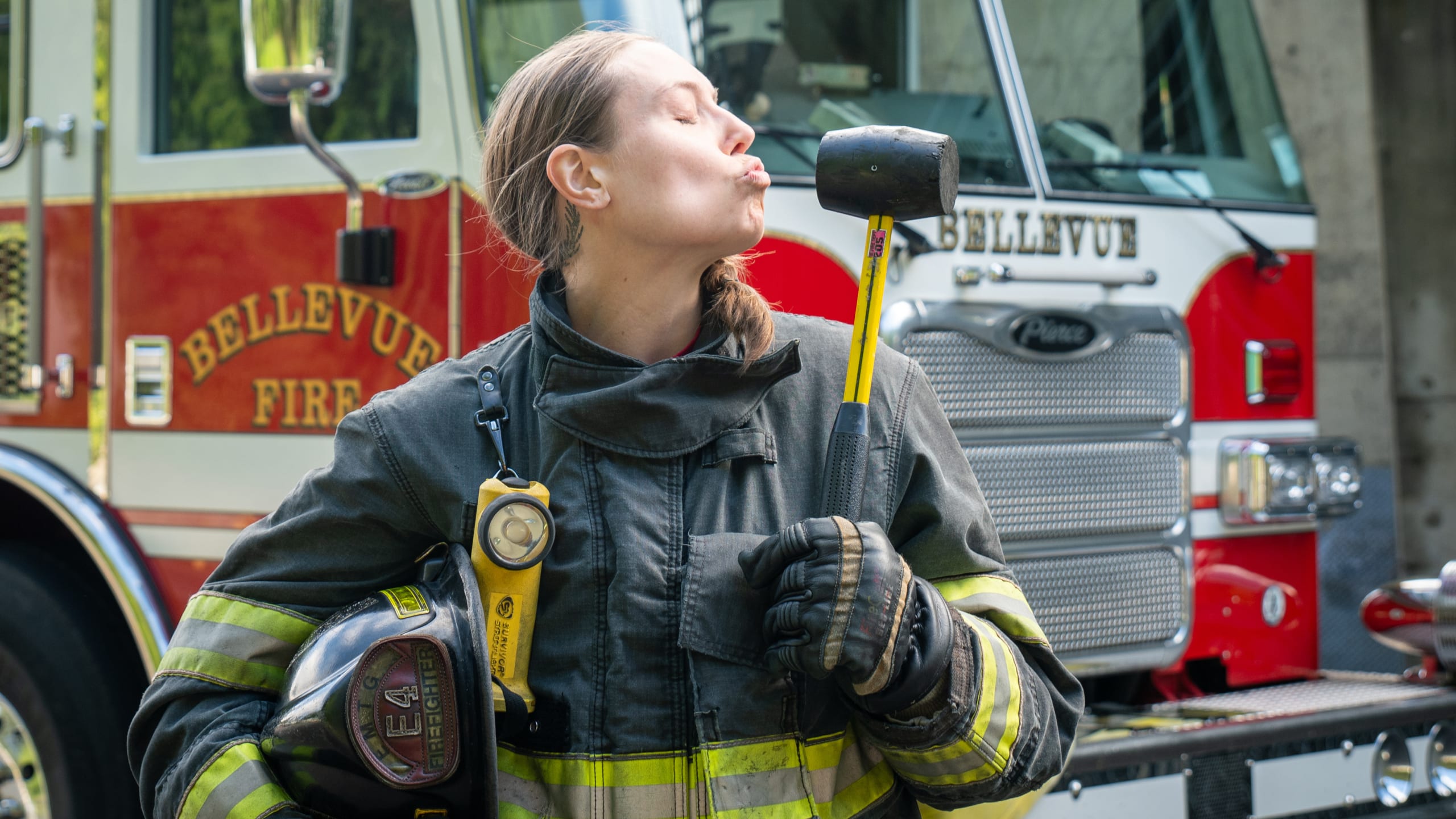
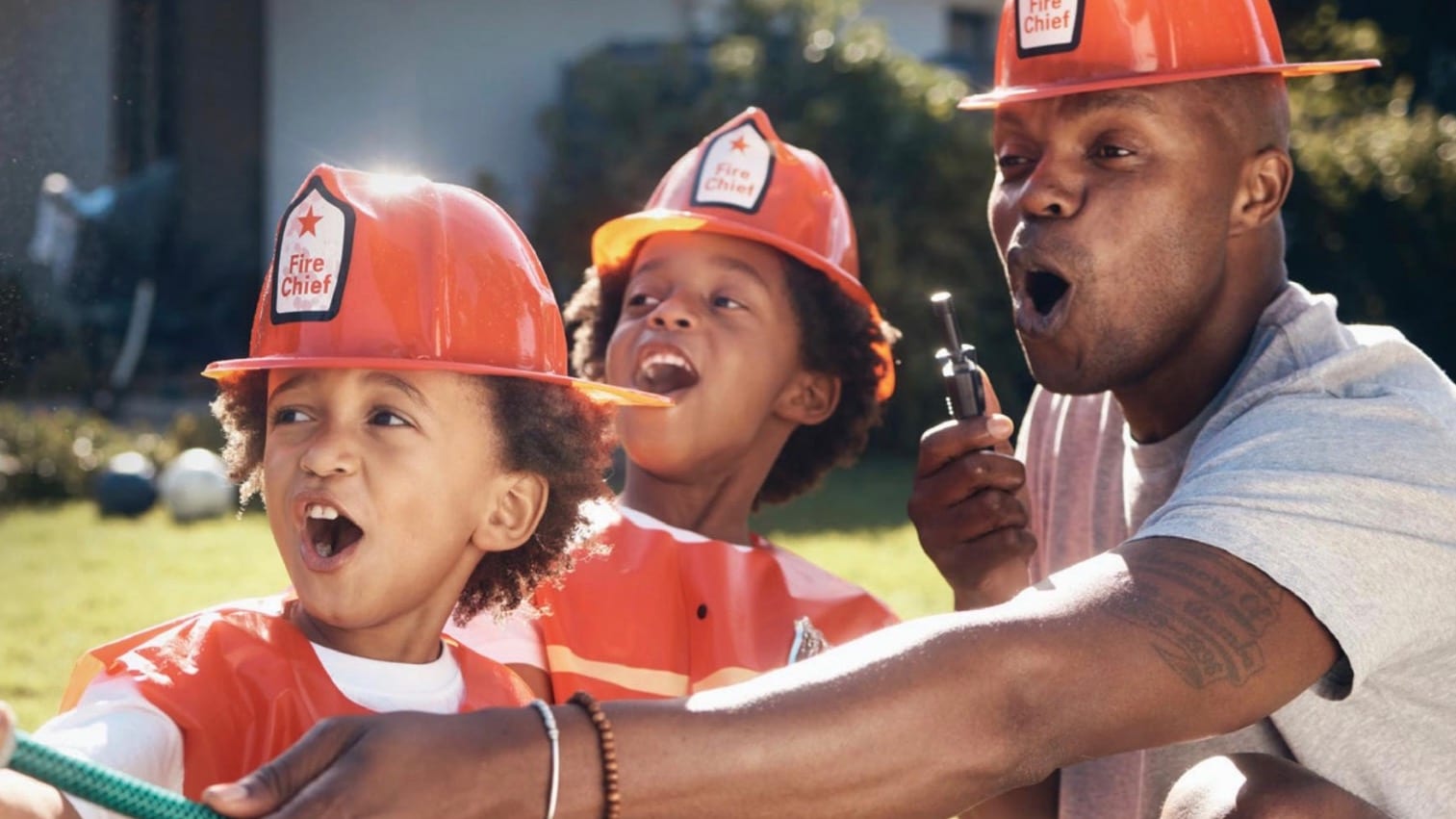
For 20 years, I thought about how cool it would be to have my kids in the fire service with me. I have four, and they grew up around firehouses, so the odds seemed pretty good that at least one would join the fire service. With three high school graduates out of the way, I finally got that wish with my middle son.
But what now? I had visions of us fighting fires and weaving through traffic on our way to an emergency. But now that it has happened, a little reality has begun to kick in.
What about the chance of an injury? What if he screws up? What if he damages or wrecks an apparatus? What would I tell his mother if something happened to him? Do I really want him to hear all the unfiltered glory that is fire-department conversation?
As firefighters, we always plan for the worst, and I saw myself beginning to worry more than enjoy the experience with him.
Being big on professional development, I have heard tons of ideas on how to treat new members and set them up for success in a changing fire service. That included what advice one should and should not give a rookie or probie firefighter. It included a rundown of how to interact with Gen Z in today's fire service.
All fine and dandy ideas, but does it really apply if it is your child who is the new kid on the block?
Being an officer and his father, it was also important to me that he makes his own way – no special treatment or privileges because of my time and tenure in the department. I had no doubt others in the department would treat him fairly, but it was important to me that everyone knew he was making his own way in the department.
Having intimate knowledge of a recruit really changed my perspective. Generic advice such as, “Listen to what everyone tells you to do” turned into “Listen to what everyone tells you to do, but if it comes from either of these two people, pay especially close attention.”
And that is where the main difference was. I had no doubt he could physically and intellectually do the job. The mental game was what would challenge him. To help with that, I offered him several pieces of advice along the way.
Dad’s Advice
Find a mentor and take that relationship seriously
A particularly salty officer filled that role perfectly for me, offering up a mix of old-school mentality and new-school knowledge, delivered with the typical firehouse sarcasm and wit that begins to thicken skin without causing damage. I felt mentoring was a successful strategy for him, knowing he was big on relationship building and communication. And he has been able to build some strong friendships in the year he has been firefighting.
Find a level at which you are comfortable participating and stick to it
He grew up watching me in volunteer fire departments and knew what it was like to have me gone for some of his life events. Even in a career department, there are many opportunities for involvement beyond shift work – training, overtime, and union activities, just to name a few. Determine now how active you want to be so when you have a family down the road you already have fire-department habits built into your lifestyle.
Do not let the fire service undermine more important areas of your life
The fire service should not compromise those areas that keep you happy and fulfilled. Family, faith, and finances are key areas that should take priority over the fire service. When they conflict too much, choose what will bring you the most reward, knowing many times it will not be the fire service.
Learn to process hard times early; make mental health a priority from day one
The son who chose the fire service was the most empathetic and emotional as a child growing up. It was helpful knowing that and making sure it was prioritized for him. Some people hide it or tuck it away, but I felt like it was important for him to start looking for that outlet or balance early.
Your reputation in the fire service follows you like a shadow. Make wise decisions now so down the road you will not jeopardize potential career advancements. Ask questions and find answers. Be known as someone who has initiative and follows through. Research where you want to be, and work hard to get there. And have an exit plan. While his first year has been successful, he is in paramedic class now and will soon start looking for a career department.
Exposure to the fire service affects people in different ways, and as he continues to broaden his experiences, the potential is there that this will not be the job he was hoping for. I wanted to make sure he knew that if for any reason it was not working out, he should have a Plan B in place.
As his year has progressed, he has accumulated many good memories, and with each success in the fire service, my worries have lessened.
One of the more difficult things I have learned is that he will make his own path in the fire service, regardless of what I think he should do.
He is no longer tagging along, but choosing his own way. But ultimately that is the goal, and hopefully the advice sprinkled along the way helps both of us as he continues to move through the fire service.