
In the world of first responders, there is a lesson I learned the hard way and one I believe is worth sharing. The structure we build at home is what truly empowers us on the job. It is not the other way around.
For years, I watched men and women in law enforcement, fire service, and emergency response try to impose the discipline and order of the job onto their personal lives. The thinking was simple: if I can control chaos at work, I should be able to control things at home. If I am respected, relied upon, and effective in uniform, that same approach should translate once I walk through my front door.
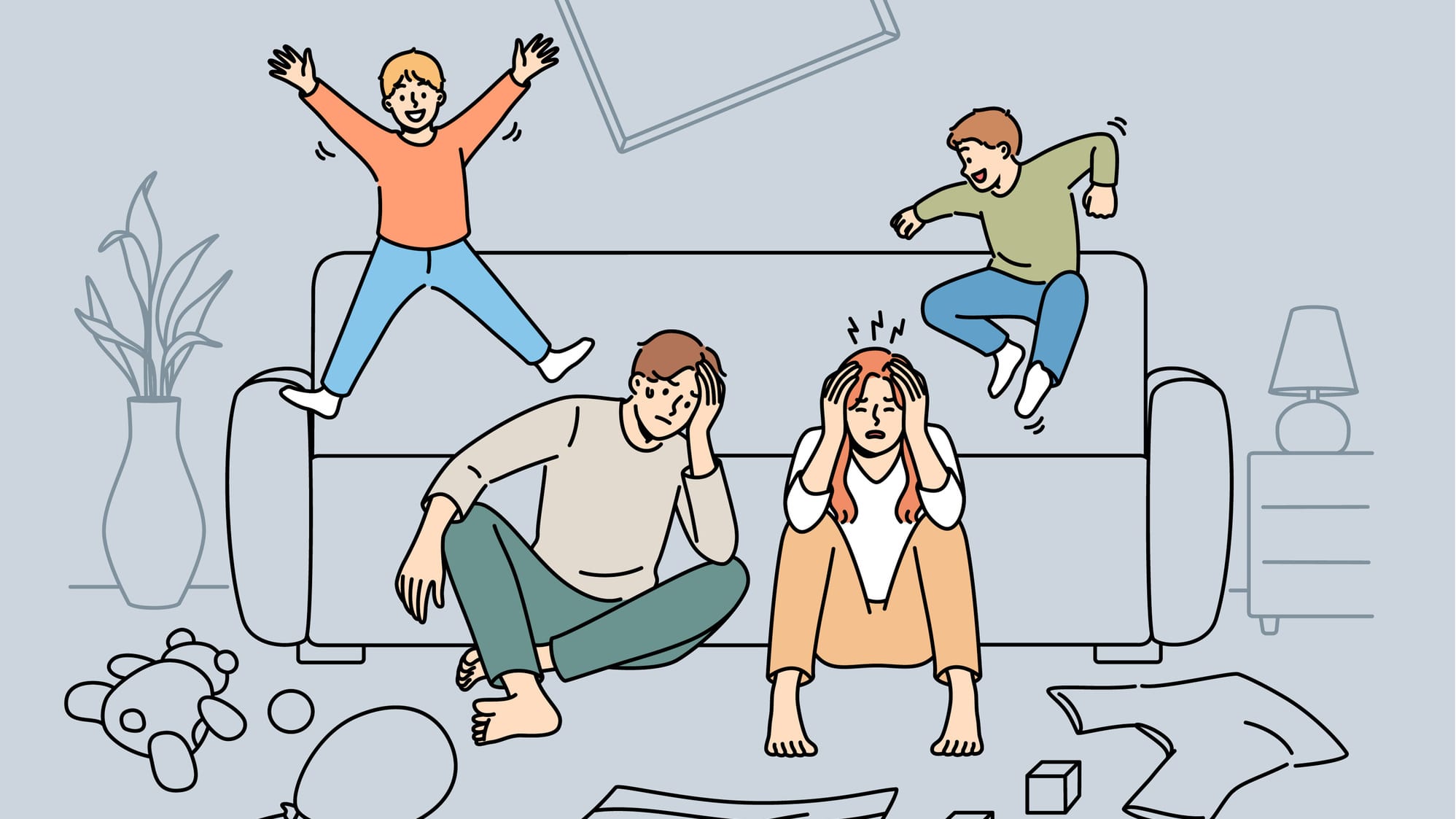
But it does not work that way. In fact, I believe this mindset is one of the main contributors to broken marriages, parenting stress, emotional isolation, and addiction among first responders.
Why Work Structure Fails at Home
When we arrive on scene, our mission is clear. Get the scene under control. Remove the threat. Separate the bad guy from the good guys. Put out the fire. Stop the bleeding. Clean up the wreck. There is a clear objective, defined roles, and an understanding that order must be imposed quickly. We are trained for this. We thrive in it.
But that environment is built on unpredictability and stress. It is reactive by nature. And you cannot build a peaceful, connected home life out of a system designed to manage chaos. I learned this personally.
I was very effective at work. I could command a scene, make decisions under pressure, and bring order to situations that were truly chaotic. Yet at home, I felt frustrated, overwhelmed, and out of control. That disconnect led me to numb myself with alcohol. I told myself I was just unwinding, taking the edge off, coping with the job. But the truth was deeper.
When Control Turns Inward
Looking back honestly, there was no real chaos at home. The problem was my inability to work cooperatively with my wife. I was trying to lead my family the same way I led scenes at work. That approach failed, and when it failed, I took it personally. Instead of adjusting, I escaped.
Why was this so hard?
First responders are often seen as the knight in shining armor. We arrive when things are falling apart. We are relied upon. We are trusted. Sometimes we are even celebrated. We show up, do the work, and leave. We are not expected to stay and live with the aftermath. That is someone else’s job.
The Myth of the Shining Armor
That model creates what I now call limited structure.
At work, the structure is external. Policies, rank, authority, and urgency do much of the heavy lifting. At home, structure has to be internal. It requires humility, cooperation, patience, and consistency. You cannot badge your way through a marriage. You cannot command compliance from your children. You cannot clear a room and move on when emotions are involved.
If you try to build home life using work tools, frustration is inevitable.
Now, consider the scenario reversed.
What happens when you intentionally build a structured home first?
Earlier, I mentioned my inability to work cooperatively with my wife. The turning point for me came when I stopped trying to control the home and started learning how to collaborate within it. A large part of that shift was finally understanding my role and my responsibilities, and then holding myself accountable to them.
Redefining Leadership at Home
At work, roles are clearly defined. Expectations are spelled out. Accountability is enforced. At home, I had blurred those lines. I wanted authority without responsibility, influence without self-examination, and results without doing the harder relational work. Once I took ownership of my role as a husband and father, not as the commander, but as a partner and servant leader, everything began to change.
That shift did not just strengthen my marriage. It reshaped how I showed up everywhere else. When you learn to be accountable at home, when excuses are stripped away and humility becomes necessary, you develop a steadiness that carries into your professional life. You stop reacting. You start responding. And that posture makes you more effective both at home and on the job. When you learn how to work well with the people you live with day in and day out, when you learn how to communicate, compromise, listen, and repair relationships regularly, those skills do not stay at home. They bleed into work in the best possible way.
Relationships at work become easier to manage. Conflict becomes less personal. Ego loosens its grip. You become more effective not because you are louder or more authoritative, but because you are steadier.
How Home Shapes the Professional
We cannot control personalities at work anymore than we can at home. What we can control is how we show up. The home is the training ground for that.
Every day at home, we negotiate. We practice patience. We manage disappointment. We choose words carefully. We learn when to push and when to pause. Many first responders already do this, but few pay attention to it as a skill set.
When you start paying attention, something interesting happens. Compassion, patience, and what many call “verbal judo” become second nature. You do not have to flip a switch when you get to work. You are already operating from a healthier mental baseline.
The Home as a Training Ground
As first responders, we are taught not to take things personally on the job, and that is good advice. But that advice is incomplete without empathy. Empathy is not weakness. It is awareness. It allows you to read people, de-escalate situations, and keep yourself regulated under pressure.
That capacity is built at home.
This is why structure must come before stress. If you try to build structure out of stress, you will burn out. If you build structure first, stress becomes more manageable.
Why Structure Must Come First
When I focused on building a supportive, stable environment at home, where routines were consistent and relationships mattered more than control, my work life changed. The stress did not disappear. The job did not suddenly become easy. But I stopped trying to create order from chaos. Instead, I brought order with me into the chaos.
That made all the difference.
For first responders reading this, my encouragement is simple and direct. Do not wait for the job to settle down before you invest in your home. It never will. Do not assume your effectiveness at work will automatically translate to family life. It will not. (Trust me, I know)
Build structure where it matters most. Learn to cooperate, not command. Practice patience where it is hardest. That work will not weaken you. It will strengthen you in ways the job never could. And in the long run, it may just save your career, your family, and your life.