

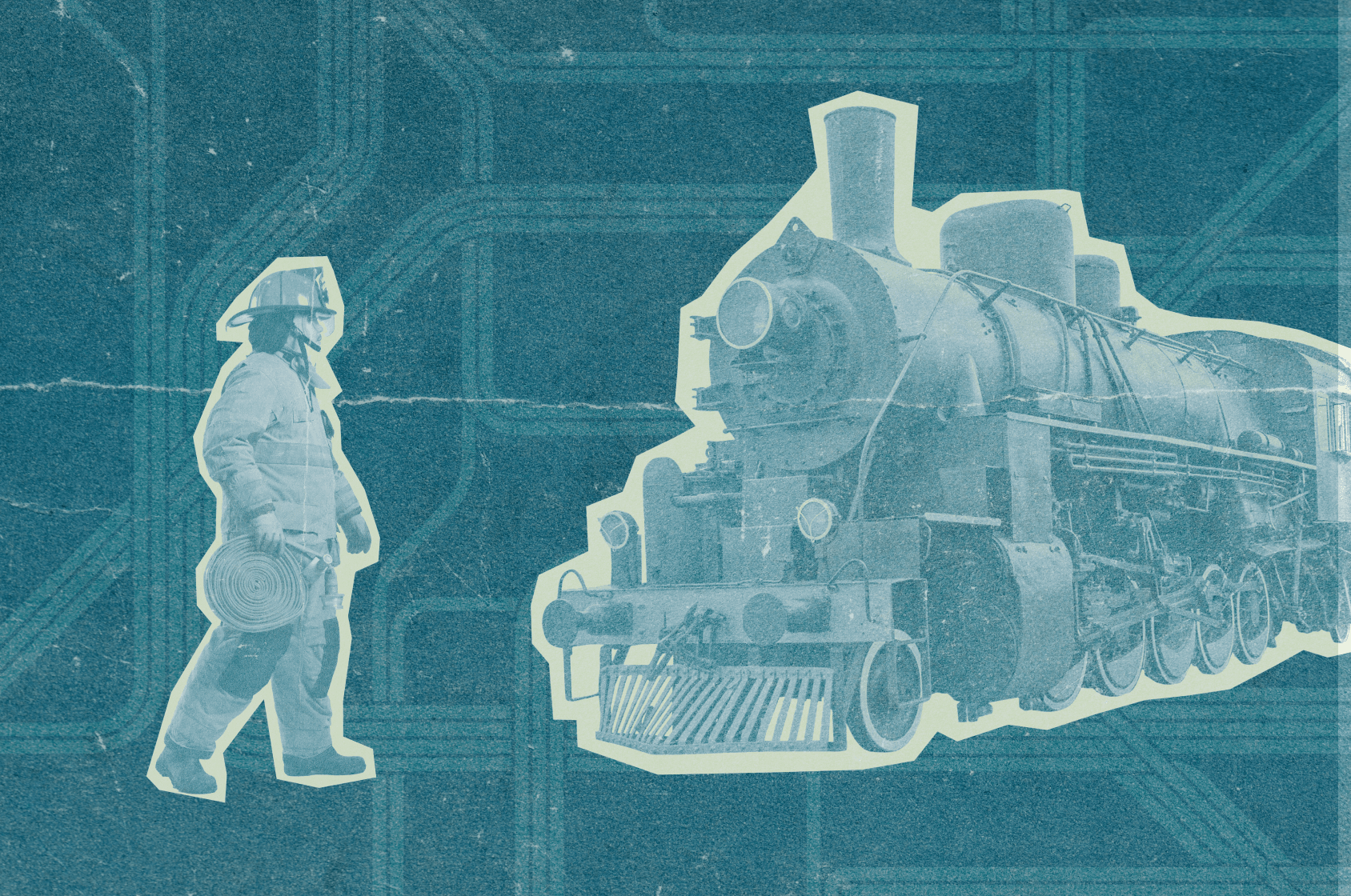
Imagine life as a busy train station, a grand central hub where countless souls arrive, depart, and briefly intertwine. It's a concept that resonates deeply, a powerful metaphor for the ebb and flow of human connection that shapes who we are and who we are destined to become.
Like a seasoned conductor, we must learn to observe, understand, and sometimes even direct the traffic of relationships in our lives. This isn't about being cold or calculating; it's about being wise, discerning, and ultimately more effective in our personal and professional journeys.
Think about it. You've seen them, haven't you? The folks who hop on your proverbial train for just a few stops – a fleeting acquaintance, a project collaborator, a temporary mentor. They bring a burst of energy, a fresh perspective, or a specific skill, and then, just as quickly, they're off to their next destination.
Then there are those who ride alongside us for what feels like an eternity – our family, our closest friends, our long-term colleagues. These are the steady companions, the ones who witness our triumphs and our struggles. The ones who ride alongside us on the rigs and break bread with us back at the station. The officers who teach us the basics, as well as the life lessons we carry into each fire, along with our axes and halligans. These people are the anchors in our personal narratives.
And then, heartbreakingly, there are those who depart before we're ready to wave goodbye – a sudden and unexpected loss, a friendship that fades, a colleague who transfers to another organization, a professional partnership that dissolves. Each departure, regardless of its nature, leaves an indelible mark.
There's a profound truth embedded within this Train Station Theory: every single person, no matter how brief their journey with us, leaves a mark. They are not mere passengers; they are teachers, catalysts, and contributors to the grand tapestry of our lives. Even the most challenging interactions can offer invaluable insights into our own resilience, communication style, and boundaries, because every interaction, positive or negative, presents an opportunity for growth if we are open to it.
Consider the short-stop passengers. Perhaps it was a senior firefighter who mentored you when you were a probationary firefighter, or a stranger who offered a kind word when you were silently struggling, or someone who pushed you to think outside the box. Their influence might have seemed minor at the time, but these small interactions accumulate, subtly shaping your knowledge, empathy, and problem-solving abilities.
Then there are the long-haul companions. These are the relationships that require consistent effort, nurturing, and mutual respect. They are the ones who truly know you, who celebrate your successes as if they were their own, and who stand by you during your darkest hours. These connections are the bedrock of our emotional well-being and often provide the greatest opportunities for deep personal growth. Maintaining these relationships requires intentionality, active listening, self-reflection, and a willingness to invest time and energy.
And what about those who depart prematurely? This is perhaps the most challenging aspect of the Train Station Theory. Whether it's the loss of a loved one, the end of a cherished friendship, or the dissolution of a professional partnership, these departures can leave us feeling adrift and heartbroken.
However, even in these moments of sorrow, there are lessons to be learned. They teach us about resilience, about the preciousness of time, and about the importance of cherishing the connections we have while they are present. When we experience these types of losses, it introduces us to adversity, but even in adversity, there is an opportunity to find strength, to refine our perspective, and to move closer to the person we were destined to become all along.
A wise person will understand how each person they connect with, regardless of when, how, and for how long, fits into their lives. But the deeper wisdom lies in understanding when to hold tight to those connections and when to gracefully let them catch their next train. This isn't about being selfish; it's about self-awareness and respecting others' individual journeys. Not everyone is meant to be on your train for the entire ride, and that's perfectly, wonderfully OK. Trying to force someone to stay on your train when their destination is different will only lead to frustration and resentment for both parties.
How do we discern when to hold on and when to let go? It requires keen observation and a deep understanding of our own values and goals. Ask yourself: Does this person align with my values? Do they contribute to my growth? Do I contribute to their growth? If the answers to these questions are consistently negative, it might be time to acknowledge that their journey is diverging from yours. This doesn't mean there's animosity; it simply means recognizing that different paths are sometimes necessary for individual fulfillment.
In a professional context, this theory is equally powerful. Think about your team members, your mentors, or the community you serve. Some will be with you for the long haul, contributing to your organization's core mission. Others are incident-specific, offering specialized skills for a limited time to help you mitigate a challenge.
And sometimes, a partnership or a working relationship will come to an end, not due to failure, but because their next opportunity lies elsewhere for either you or them. Acknowledging this fluidity enables smoother transitions and fosters a culture of respect and understanding rather than resentment or disappointment.
Ultimately, the Train Station Theory encourages us to embrace the transient nature of many relationships while deeply valuing the enduring ones. It's a call to be present in every interaction, to learn from every encounter, and to release with grace when the time comes. It reminds us that our lives are enriched by the diverse cast of characters who step onto our train, even if only for a brief moment.
So, next time you encounter someone new, or reflect on someone who has departed, remember that each person is a unique journey, and each interaction is a valuable stop along your own incredible ride.